


Stated income lenders provide investment property loans that qualify borrowers based on a property's rental income rather than personal tax returns, W-2s, or pay stubs. These loans are fully legal for non-owner-occupied investment properties under Dodd-Frank regulations and represent one of the fastest paths to financing rental real estate.
No Tax Returns Required
Qualify based on rental income, not personal W-2s, pay stubs, or complex multi-entity tax filings.
Close in Weeks, Not Months
Minimal documentation means faster underwriting. Most stated income loans close within two to four weeks.
100% Legal Under Dodd-Frank
Stated income is fully permitted for non-owner-occupied investment properties and business-purpose loans.
All Investment Property Types
Single-family, multifamily, condos, mixed-use, short-term rentals, and full portfolios all qualify.
What Is a Stated Income Loan for Investment Property?
A stated income loan is a mortgage where the borrower's personal income is not the primary qualification factor. Instead of providing two years of tax returns, W-2 forms, and employment verification, the borrower qualifies based on the investment property's ability to generate rental income sufficient to cover the debt service.
This approach makes practical sense for real estate investors. A self-employed investor who writes off significant expenses on their tax returns may show minimal taxable income on paper despite earning substantial revenue. A landlord with 15 properties may have complex returns that do not reflect actual cash flow. In both cases, forcing these borrowers through traditional income documentation requirements creates friction that serves no underwriting purpose.
How did the Dodd-Frank Act affect stated income lending? The 2010 legislation restricted stated income loans for owner-occupied primary residences to prevent the predatory lending practices that contributed to the housing crisis. However, the law explicitly permits stated income underwriting for investment properties, business-purpose loans, and commercial real estate transactions. This distinction is critical and widely misunderstood.
Why Do Stated Income Loans Still Exist After Dodd-Frank?
The short answer: because they were never banned for investment property.
The Dodd-Frank Act targeted consumer mortgages on primary residences. Its Ability-to-Repay rules require lenders to verify a consumer borrower's income before issuing a mortgage. But investment property loans are business-purpose transactions, not consumer loans. A borrower purchasing an apartment building or their tenth rental condo is making a business decision, and the regulatory framework treats it accordingly.
Major corporations and sophisticated investors have always used asset-based underwriting. When a large real estate fund purchases an office building, the lender evaluates the building's net operating income and debt service coverage ratio, not the fund manager's personal tax return. Stated income loans for individual rental property investors apply the same principle at a smaller scale.
The property's income is the collateral. The property's value is the security. The borrower's credit history provides additional risk assessment. Together, these factors give lenders a clear picture of loan performance potential without requiring personal income documentation.
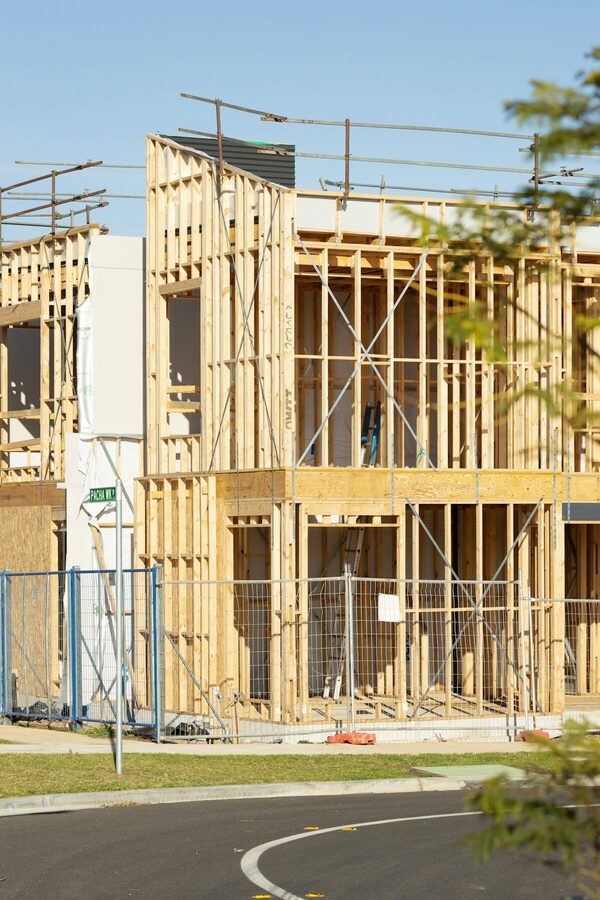
The property's rental income is what qualifies the loan — not the borrower's tax returns
How Do Stated Income Lenders Evaluate Your Loan?
Reputable stated income lenders use a combination of factors to assess risk and determine loan terms:
- Debt Service Coverage Ratio (DSCR): The property's rental income divided by its total debt obligation. Most lenders require a DSCR of .75x to 1.25x, meaning the property generates enough rent to cover the mortgage payment with margin to spare.
- Loan-to-Value (LTV): The loan amount relative to the appraised property value. Investment property stated income loans typically cap at 70% to 75% LTV.
- Credit Score: While personal income is not verified, credit history still matters. Most programs require a minimum FICO score of 650.
- Property Condition and Market: The lender evaluates the property's condition, location, and rental market fundamentals to project sustainable income.
This framework creates a self-correcting underwriting model. If a property cannot generate sufficient rent to cover the mortgage at the requested loan amount, the loan gets sized down or declined. The property itself must prove the deal works.
Skip the Tax Returns. Get Funded on Rental Income.
Our stated income programs qualify you based on the property's cash flow, not your personal W-2. Available for single-family, multifamily, condos, and mixed-use investment properties in 44 U.S. states.
What Types of Properties Qualify for Stated Income Loans?
Stated income loans are available for a wide range of non-owner-occupied investment properties:
- Single-family rental homes (1-4 units)
- Duplexes, triplexes, and fourplexes
- Condominiums and townhomes
- Apartment buildings (5+ units)
- Mixed-use properties with residential components
- Short-term vacation rentals and Airbnb properties
- Portfolios of multiple properties under a blanket mortgage
The common requirement across all these property types is that the loan must be for investment or business purposes. Owner-occupied properties are excluded from stated income programs under current regulations.
How to Find a Reputable Stated Income Lender
Not all stated income lenders operate the same way. When evaluating lenders, look for these characteristics:
- Specialization in investment property: A lender that focuses on rental property investors will understand your needs far better than a bank that primarily handles consumer mortgages. Most bank branch officers are trained to process primary residence loans, not portfolio investor financing.
- Transparent pricing: Reputable lenders clearly explain their rate structure, fees, and how market benchmarks affect your final rate. Avoid lenders who are vague about total costs.
- Experience with your property type: Whether you are financing a duplex, an apartment building, or a portfolio of scattered single-family rentals, your lender should have direct experience closing deals like yours.
- Speed and reliability: Investment property deals often move fast. Your lender needs to close within the timeline your purchase contract requires, typically two to four weeks.
At Rental Home Financing, we specialize exclusively in investment property lending. We understand the intricacies of financing rental portfolios across all property types, from single condos to large multifamily buildings. Our no-ratio DSCR program is specifically built for investors who want the fastest possible closing with minimal documentation.
Get Started with a Stated Income Investment Loan
Whether you are looking to purchase your next investment property, refinance existing rental debt, or consolidate multiple properties under one mortgage, stated income lending gives you a clear path forward without the documentation burden of traditional banks.
Stated Income Loan Application Checklist
- Credit score of 650+ (higher scores get better rates)
- Property appraisal showing sufficient value for 70-75% LTV
- Rent roll or lease agreements proving rental income
- DSCR of .75x or higher (rental income covers mortgage payment)
- Property insurance and entity documentation (LLC or trust if applicable)
Ready to Finance Your Next Investment Property?
No tax returns. No W-2s. No employment verification. Qualify based on the property's rental income and close in weeks, not months.