

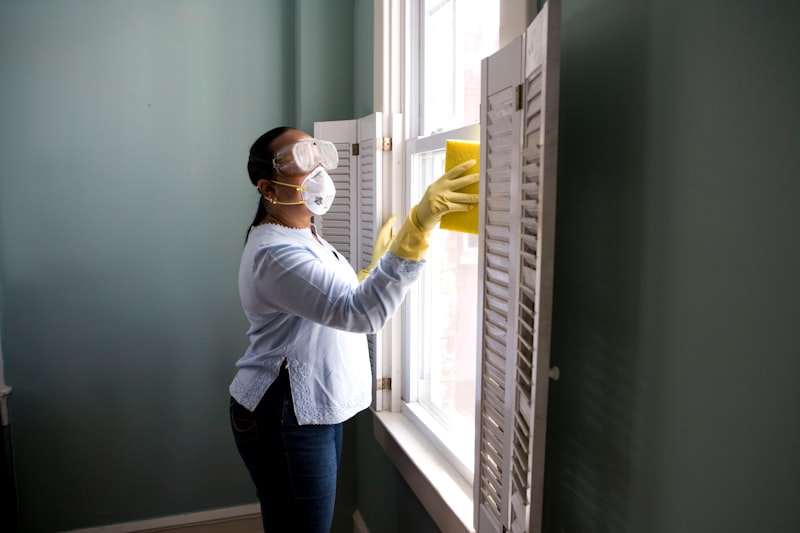
Tenant retention is one of the most important financial drivers in rental property investing. Every turnover costs an average of $3,000 to $5,000 in vacancy loss, cleaning, repairs, and re-leasing expenses. The most common reason tenants leave is not rent increases -- it is poor property management. Understanding the top five tenant complaints helps landlords eliminate the friction that drives turnover and protects the rental income that supports portfolio financing.
Why Do Tenant Complaints Matter to Rental Property Investors?
Tenant satisfaction directly impacts your bottom line. Each turnover costs $3,000 to $5,000, and the U.S. Census Bureau reports a national rental vacancy rate of approximately 6.6%. Addressing the top five complaints is both a management strategy and a financing strategy -- consistent rental income supports the DSCR metrics lenders evaluate.
Tenant satisfaction directly impacts your bottom line. Properties with high tenant retention have lower vacancy rates, fewer turnover costs, and more consistent rental income -- all of which strengthen the DSCR metrics that lenders evaluate when underwriting investment property loans. Addressing these five complaints is not just good management; it is a financing strategy.
Lower Vacancy Costs
Each turnover costs $3,000 to $5,000 in vacancy loss, cleaning, repairs, and re-leasing. Reducing complaints cuts these expenses significantly.
Stronger DSCR Metrics
Consistent rental income from satisfied tenants improves your debt service coverage ratio, leading to better loan terms and easier approvals.
Protected Property Value
Responsive management prevents deferred maintenance that erodes property value and weakens your position when refinancing.
Higher Tenant Retention
Tenants who feel heard and respected renew leases at higher rates, even when rent increases are on the table.
#1 Cutting Corners on Repairs and Maintenance
The most frequent tenant complaint is that property managers handle repairs superficially rather than fixing the underlying problem. A quick patch on a ceiling stain without addressing the roof leak above it, or a coat of paint over water-damaged drywall, are the kinds of shortcuts that breed tenant resentment.
How should landlords approach maintenance? Fix it right the first time. Tenants notice when repair quality is poor, and they associate that quality with how much the landlord values their tenancy. A $500 proper repair that lasts five years is cheaper than a $200 patch job that fails in six months and triggers a move-out.
#2 Overspending on Unnecessary Replacements
On the opposite end, some property managers spend excessively on unnecessary full replacements when a repair would suffice. Replacing an entire HVAC system when the unit needs a $300 capacitor, or installing new countertops when the existing ones only need resurfacing, burns through capital reserves without proportional benefit.
What is the right balance between repairs and replacements? Establish clear guidelines: repair when the fix costs less than 50% of replacement cost and the repaired item has meaningful remaining useful life. Replace when repair costs approach replacement cost or when the item has failed repeatedly.
Operating without a maintenance budget is a path to cash flow problems. Tenants also notice when management spends unnecessarily -- it often signals that a rent increase is coming, which triggers early move-outs.
#3 Spreading Management Too Thin
A property manager handling more than 100 units without adequate staff cannot give each property the attention it needs. Response times increase, maintenance requests fall through the cracks, and tenants feel ignored. For investors building their own management capacity, the breaking point is typically around 50 to 60 units for a single manager.
Beyond that threshold, it is time to hire support staff or engage a professional property management company. The alternative is deteriorating tenant satisfaction, higher turnover, and the compounding costs that come with both. Properties managed by overwhelmed staff also tend to accumulate deferred maintenance, which reduces property value and weakens your position when refinancing through blanket mortgage programs.

Responsive communication and quality repairs build the trust that keeps tenants renewing leases
Well-Managed Properties Qualify for Better Loan Terms
Strong occupancy rates and low turnover improve your DSCR and strengthen your loan applications. Our rental income loan programs reward well-managed portfolios with competitive rates.
#4 Poor Communication and Lack of Explanation
Tenants want to be informed, not surprised. When renovations are scheduled, when policy changes take effect, or when a maintenance issue requires multiple visits to resolve, communication makes the difference between a cooperative tenant and an adversarial one.
Specific communication failures that drive complaints include scheduling contractor work without advance notice, implementing rule changes or rent increases without adequate written notice, failing to explain timelines when a repair requires multiple visits, and dismissing tenant concerns without investigation or follow-up.
The fix is straightforward: communicate proactively, explain the reasoning behind decisions, and document all interactions. A five-minute phone call or email explaining that a plumber will visit on Tuesday between 10 and 12 prevents the complaint that arrives when a stranger shows up unannounced.
#5 Not Returning Calls and Delaying Scheduled Tasks
This is the complaint that accelerates move-out decisions faster than any other. When a tenant reports a broken heater in January and the property manager does not return the call for three days, that tenant starts looking at other rentals. When scheduled maintenance is postponed repeatedly without explanation, tenants lose confidence that the property will be properly maintained.
Set a standard: return all tenant communications within 24 hours and complete scheduled maintenance within the committed timeframe. If a delay is unavoidable, communicate the new timeline before the original deadline passes. Tenants who feel heard and respected are far more likely to renew their leases, even when rent increases are on the table.
Complaint Prevention Checklist
- Fix repairs properly the first time -- a $500 lasting fix beats a $200 patch that fails in six months
- Repair when fix costs less than 50% of replacement and the item has remaining useful life
- Staff appropriately -- one manager per 50 to 60 units maximum before hiring support
- Communicate proactively before scheduled work, policy changes, and rent increases
- Return all tenant communications within 24 hours and honor scheduled maintenance timelines
Turning Complaint Prevention into Portfolio Performance
Addressing these five issues is not about being a nice landlord -- it is about protecting the financial performance of your investment portfolio. Lower turnover means lower vacancy costs, fewer re-leasing expenses, and more consistent rental income. That consistency supports the DSCR calculations that determine your eligibility and pricing for DSCR investment loans.
Build or hire a management team that communicates promptly, spends maintenance dollars wisely, fixes problems properly, and treats every tenant interaction as an opportunity to protect your investment. The rewards compound across your entire portfolio.
Finance Your Next Rental Property
With solid property management practices in place, your portfolio is ready to grow. Our DSCR loans qualify based on rental income -- no tax returns or W-2s required.