
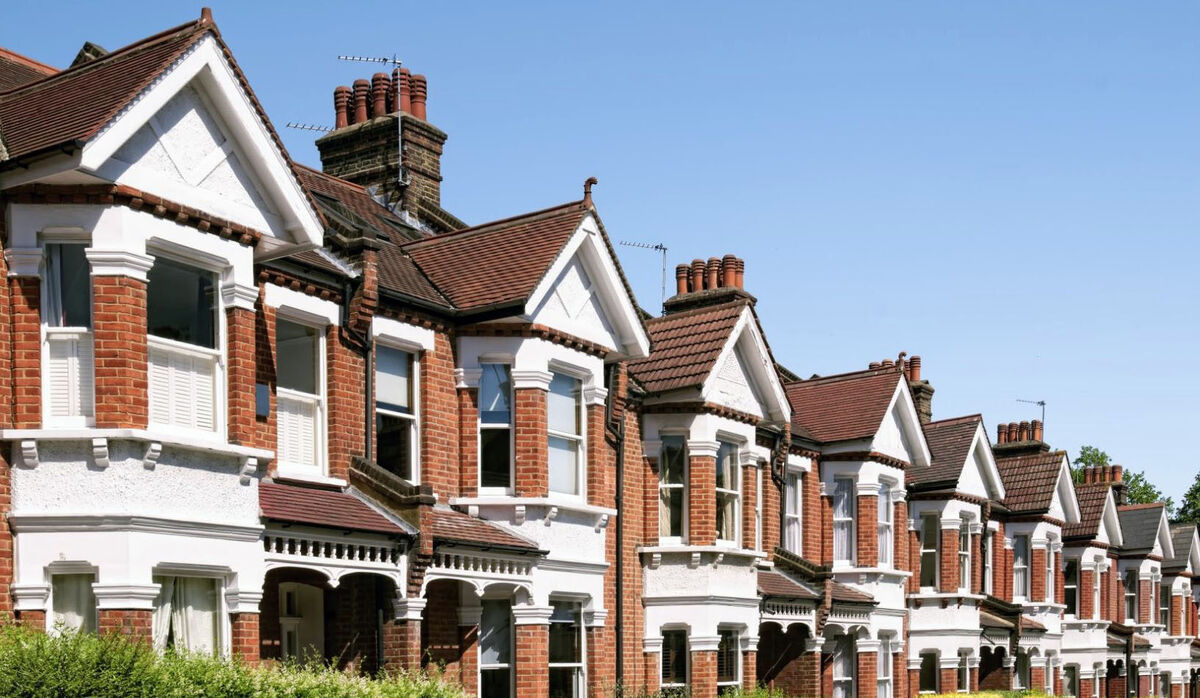
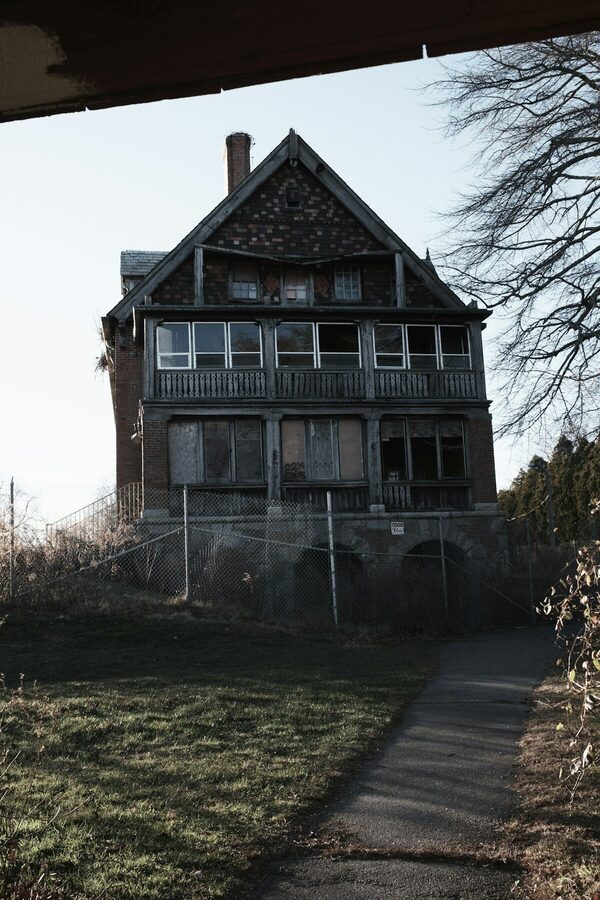
Foreclosures and bank-owned (REO) properties give rental investors access to below-market purchase prices, immediate equity positions, and strong cash-flow potential once properties are stabilized and leased. Financing these acquisitions with DSCR-based rental income loans lets you close quickly and scale your portfolio without the documentation burden of conventional mortgages.
Why Do Rental Investors Buy Foreclosures and Bank-Owned Properties?
Foreclosed and REO properties sell at discounts of 10% to 40% below comparable market value, creating built-in equity that improves DSCR ratios, reduces loan-to-value at refinance, and accelerates portfolio growth. Investment property rates typically run 0.50% to 0.75% above primary residence rates, making that acquisition discount critical to cash flow.
Foreclosed and REO properties sell at discounts ranging from 10% to 40% below comparable market value. That built-in discount creates an equity cushion from day one and improves the debt-service coverage ratio on the property, which translates directly to better loan terms when you finance with a DSCR program.
Below-Market Acquisition Cost
Banks price REO properties to move. Their goal is recovering the outstanding loan balance, not maximizing sale price. That motivation gap is your profit margin as an investor.
Immediate Built-In Equity
Buying at a 20% to 30% discount means you start with equity before making a single improvement. That strengthens your LTV position for future refinancing or portfolio expansion.
Value-Add Opportunity
Many foreclosed properties need cosmetic or moderate renovation. A $15,000 to $30,000 rehab that adds $50,000 or more in value creates forced appreciation that compounds portfolio-wide returns.
Higher Rental Yields
Lower acquisition cost on the same rental income means a higher cap rate and stronger DSCR from the start. That improved cash flow ratio gives you better financing terms and faster portfolio growth.
Where to Find Foreclosure Investment Properties
Foreclosed and bank-owned properties are available through several channels, each with different dynamics for how you bid, close, and finance the acquisition:
- Courthouse auctions: Properties foreclosed through judicial or non-judicial proceedings sell at public auction. Cash or cashier's check is typically required at the sale, and due diligence time is limited. This channel offers the steepest discounts but carries the most risk.
- Bank REO listings: After a property fails to sell at auction, the lender takes ownership and lists it through a real estate agent or asset management company. These properties allow inspections and standard purchase contracts -- making them the most accessible channel for DSCR-financed acquisitions.
- HUD homes: Government-backed properties defaulted on FHA loans are listed on the HUD HomeStore website. Bids must be submitted through a licensed real estate agent.
- GSE sales: Fannie Mae (HomePath) and Freddie Mac (HomeSteps) list their REO inventory online with investor-eligible purchase options.
- Bulk portfolios: Banks and asset managers occasionally sell pools of REO properties in bulk, often at steeper discounts for investors who can close on the entire package. A blanket mortgage program is ideal for financing these multi-property acquisitions.

Bank-owned properties offer rental investors discounts of 10% to 40% below market value
How Do You Finance Foreclosure Purchases with DSCR Loans?
DSCR loans qualify borrowers based on the property's rental income, not personal income. Most programs require a minimum DSCR of 1.0x to 1.25x and a down payment of 20% to 25%. Once the property is stabilized and leased -- or appraised with a market rent estimate -- DSCR lenders will finance the acquisition or refinance based on the rental income the property generates, not your personal income.
The most common financing strategies for foreclosure investors:
- Cash purchase + DSCR refinance: Buy the property with cash at auction, complete necessary repairs, place a tenant, then refinance with a 30-year DSCR loan to pull your cash back out and repeat the process. This is the classic BRRRR strategy applied to foreclosures.
- Direct DSCR purchase: For REO properties listed through traditional channels that allow standard closing timelines, a DSCR purchase loan finances the acquisition directly based on appraised market rents. No tax returns or W-2s required.
- Blanket financing for bulk REO: When acquiring multiple foreclosed properties simultaneously, a blanket mortgage consolidates the entire pool under one loan with one closing, one payment, and one set of terms.
- No-ratio DSCR for transitional properties: Properties that are not yet leased or are in early stabilization may qualify for a no-ratio DSCR program that does not require a minimum debt coverage threshold.
Finance Your Foreclosure Investments
Our DSCR loan programs qualify you based on rental income potential, not personal income. Finance single properties or entire portfolios of bank-owned acquisitions with competitive rates and closings in as few as 21 days.
Due Diligence Before Buying
Foreclosure investing delivers real profit potential, but it demands more thorough due diligence than standard property acquisitions. Every REO property is sold as-is with no seller disclosures, so the inspection and research burden falls entirely on you.
Foreclosure Due Diligence Checklist
- Budget for repairs -- foreclosed properties are sold as-is with no warranties
- Get a professional inspection before submitting an offer on REO listings
- Research title for outstanding liens, tax obligations, and code violations
- Verify the property is in a rental-demand market with strong occupancy rates
- Factor renovation costs into total acquisition basis when calculating projected DSCR
- Confirm insurance availability -- some distressed properties require specialty coverage
Building a Rental Portfolio Through Foreclosure Acquisitions
The most successful foreclosure investors treat each acquisition as one step in a repeatable system: identify a discounted property, acquire it, stabilize it with targeted improvements, place a qualified tenant, then finance or refinance with a long-term DSCR loan to free up capital for the next deal.
This approach compounds over time. Each property you stabilize builds equity, generates cash flow, and strengthens your borrowing position for the next acquisition. Whether you are buying your first REO property or assembling a portfolio of twenty, DSCR financing removes the personal income documentation barriers that slow conventional lending.
Ready to Finance Your Next Foreclosure Deal?
From single-property DSCR loans to blanket mortgages for bulk REO acquisitions, we structure financing around the property's rental income -- not your tax returns. 30-year fixed rates available.