
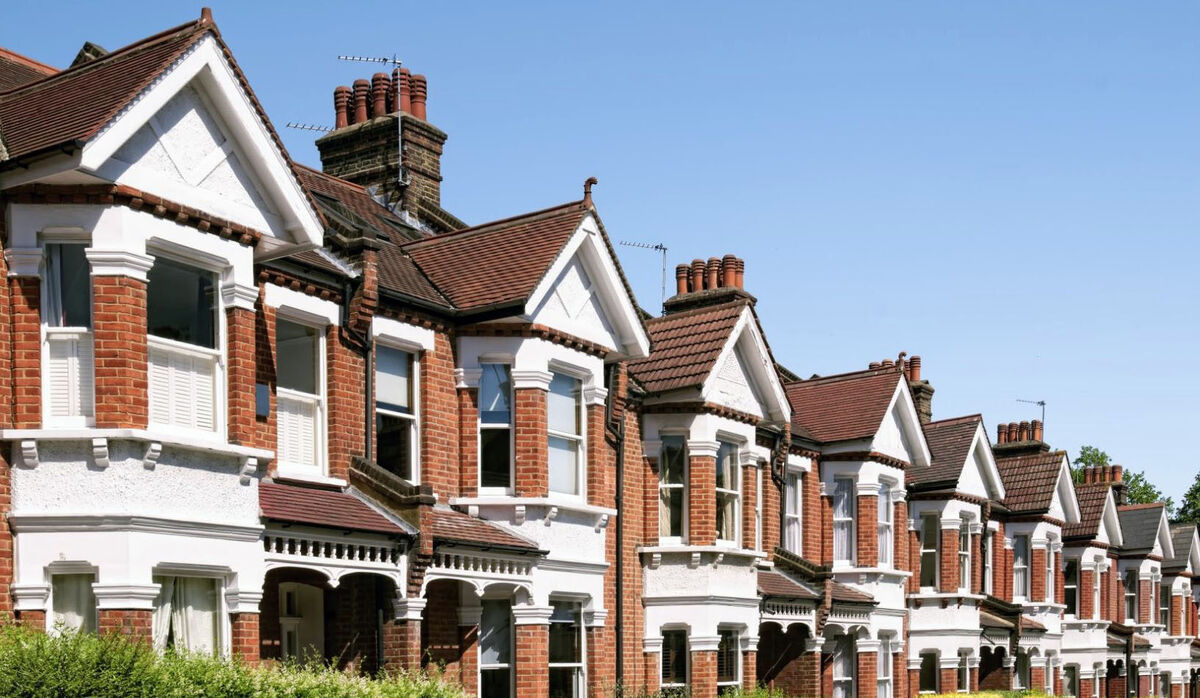

Foreclosure properties consistently attract rental investors because the acquisition price sits 10% to 40% below market value, creating an immediate equity position that strengthens cash-on-cash returns and DSCR ratios from day one. But that discount carries real challenges -- minimal disclosures, as-is condition, and an institutional buying process with no room for sentiment. Here is what experienced investors know before they write the check.
Why Do Investors Target Foreclosure Properties?
Foreclosure properties sell at 20% to 40% below market value, creating immediate equity positions that strengthen every return metric in a rental portfolio. That discount means better DSCR ratios, lower loan-to-value at refinance, and more capital available for the next acquisition.
The math is simple. A property worth $200,000 on the open market that sells for $140,000 as a bank-owned REO gives the investor a $60,000 equity cushion before any renovations begin. That margin absorbs rehab costs, funds improvements that push rents higher, and still leaves the investor in a stronger position than a market-price purchase.
For investors using DSCR loan programs, the lower acquisition cost means a better loan-to-value ratio and stronger debt-service coverage from the start. That translates directly to better rates and terms on the financing -- and more capital available for the next deal.
How much equity can a foreclosure discount actually create? Consider an investor who buys three REO properties at 25% below market value, invests 10% of ARV in renovations, and refinances at 75% LTV. That investor recovers most of their cash while holding properties with built-in equity -- a repeatable cycle that compounds portfolio value over time.
Below-Market Acquisition
Purchase prices 10-40% under market value create immediate equity positions that improve every return metric in your portfolio.
Stronger DSCR Ratios
Lower purchase prices against identical rental income produce higher debt-service coverage, qualifying you for better loan terms and rates.
BRRRR-Ready Deals
Foreclosures are built for the buy-rehab-rent-refinance-repeat strategy. Cash purchase, stabilize, then refinance to recycle capital into the next acquisition.
Forced Appreciation
Renovate a distressed property to market standards and the appraisal reflects the improvement -- building equity beyond the original discount.
What Are the Biggest Challenges of Buying Foreclosure Properties?
Foreclosures come with five specific challenges that standard real estate purchases don't: institutional buying processes, zero seller disclosures, potential property damage, no repair credits, and bank-protective contracts. Preparing for all five is what separates profitable foreclosure investors from those who lose money.
The Buying Process Is Institutional, Not Personal
When you purchase a foreclosure, you deal with a bank's asset management department -- not a motivated homeowner. The bank views the property as a balance sheet item that needs resolution. There are no personal negotiations, no heartfelt letters, and no seller concessions. You submit an offer through the bank's system or their listing agent, and the bank responds based on the numbers. Expect days or weeks for a response, and expect the process to feel impersonal. That is normal.
Disclosures Are Nonexistent
REO properties are sold as-is with no seller disclosures. The bank acquired the property through foreclosure and has limited knowledge of its condition, history, or neighborhood dynamics. You are buying blind on condition. Mitigate this risk by pulling the property's permit history from the local building department, reviewing any available prior inspection reports, and conducting your own thorough inspection before making an offer on REO-listed properties.
Properties May Be Stripped or Damaged
Former owners facing foreclosure sometimes remove appliances, light fixtures, faucets, and anything else that is not bolted to the structure. In more extreme cases, there may be deliberate damage -- holes in walls, damaged plumbing, or removed wiring. Budget for worst-case renovation costs when underwriting a foreclosure deal. A property that looks like a bargain at $120,000 may need $40,000 in repairs to reach rentable condition, which changes the math entirely.
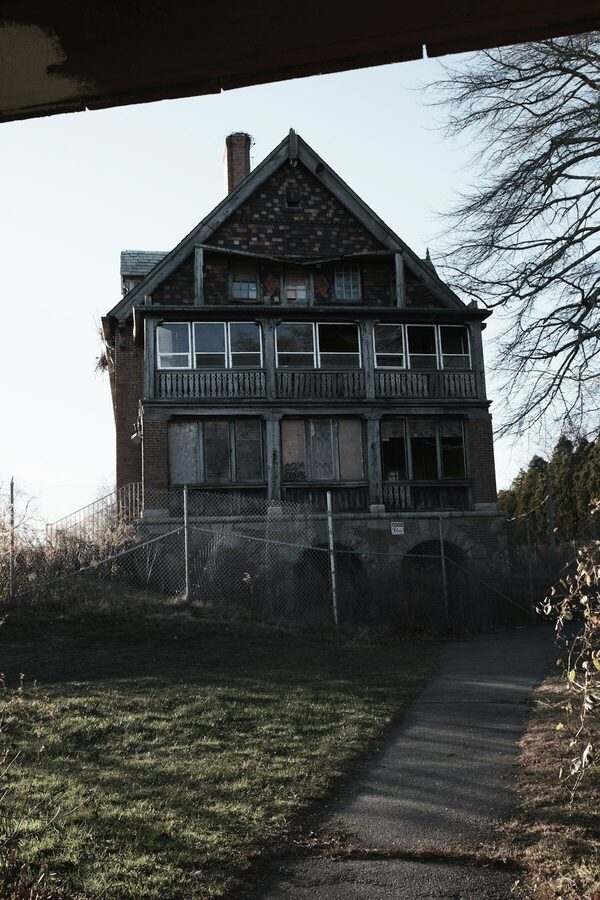
Foreclosed properties often need significant renovation -- budget conservatively before bidding.
The Bank Will Not Credit or Repair Anything
Unlike a traditional sale where buyers negotiate repair credits or seller-funded fixes, banks sell foreclosures strictly as-is. If the inspection reveals a broken water heater, leaking windows, or foundation issues, the bank will not adjust the price or make repairs. Your only leverage is the offer price itself. Make sure your initial offer accounts for every deficiency you discover during inspection.
Bank Contracts Protect the Bank
Do not expect standard real estate purchase agreements. Banks use their own contracts -- often dozens of pages -- designed to protect their interests and limit their liability. These contracts typically include broad indemnification clauses, limited contingency periods, and strict closing timelines. Have a real estate attorney review the contract before signing. Understanding the bank's terms upfront prevents surprises at closing.
Finance Your Foreclosure Investment
Buy a foreclosure with cash, stabilize and lease it, then refinance with a DSCR loan to pull your capital back out and repeat. No W-2s or tax returns required -- qualify on rental income alone.
How Do You Evaluate a Foreclosure Deal?
A disciplined underwriting process applied to every foreclosure property, without exception, separates profitable investors from those who lose money. The U.S. Census Bureau reports a national rental vacancy rate of approximately 6.6%, so conservative rent projections matter when calculating your expected DSCR.
Foreclosure Underwriting Checklist
- Determine after-repair value (ARV): Pull comparable sales in the neighborhood to establish what the property is worth in rent-ready condition.
- Estimate renovation costs: Get contractor bids or use per-square-foot estimates for the work needed to reach rentable condition.
- Calculate the all-in basis: Purchase price plus renovation costs plus closing costs equals your total investment.
- Project rental income: Use comparable rental listings to estimate monthly rent once the property is stabilized.
- Run the DSCR: Divide annual rental income by annual debt service. A ratio above 1.25 signals strong cash flow.
- Verify title status: Run a title search for liens, back taxes, and encumbrances that could add to your cost basis.
If the numbers work after accounting for renovation costs and a conservative rent estimate, the foreclosure discount translates directly into enhanced portfolio returns. For investors acquiring multiple foreclosures, a blanket mortgage program consolidates the entire portfolio under one loan, reducing per-unit financing costs and simplifying management.
How Does Foreclosure Investing Fit Into a Long-Term Portfolio Strategy?
Foreclosure acquisitions paired with DSCR financing create a repeatable wealth-building cycle. The FHFA House Price Index shows residential property values have appreciated 4% to 5% annually on average, and foreclosure discounts accelerate that equity growth from day one.
The challenges are manageable with proper due diligence, realistic renovation budgets, and a financing strategy that supports the BRRRR cycle. Most DSCR lenders require a minimum ratio of 1.0x to 1.25x, meaning the property's rent must cover 100% to 125% of the mortgage payment. Foreclosure discounts make that threshold easier to clear because the lower acquisition cost reduces debt service. Investors who pair disciplined acquisition with long-term DSCR financing build portfolios that generate consistent cash flow for decades.
Ready to Turn a Foreclosure Into Cash Flow?
Our DSCR loan programs let you refinance stabilized foreclosure properties based on rental income alone. No tax returns, no W-2s -- just the property's performance. Single loans or blanket portfolios available.