

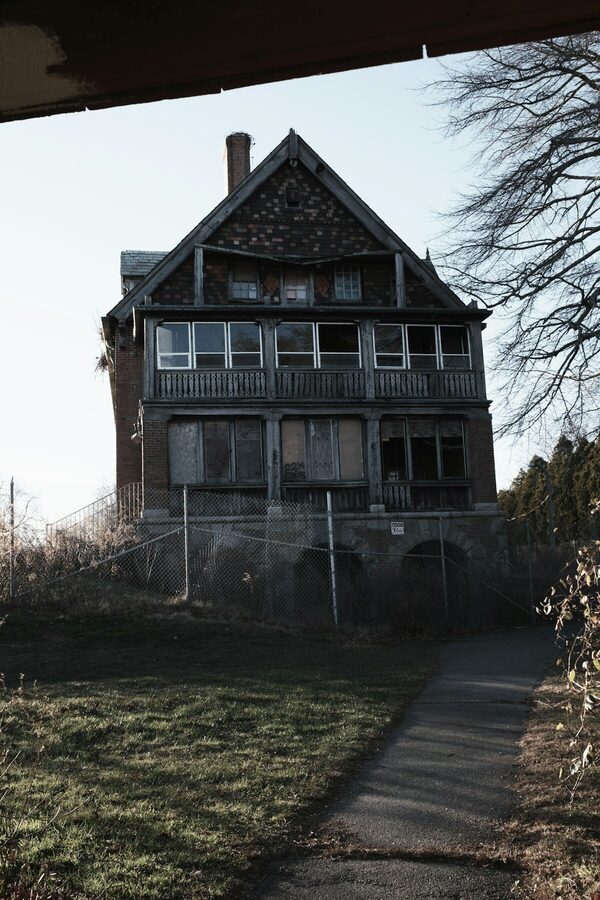
Foreclosed and bank-owned properties give rental investors a path to below-market acquisitions with immediate equity positions. The buying process differs sharply from standard real estate transactions -- properties are sold as-is, banks dictate the terms, and due diligence falls entirely on you. This guide covers how to source foreclosure deals, evaluate property condition, work with experienced agents, and finance your acquisitions for long-term portfolio growth.
Build Agent Relationships
Agents specializing in REO and bank-owned sales provide early access to listings and insider knowledge of bank pricing expectations before properties hit public portals.
Research Before Bidding
Foreclosures are sold as-is. Understand the property's condition, title status, and renovation requirements before committing any capital to a bid.
Refinance to Scale
Buy with cash to win bids, stabilize the property, then refinance through a DSCR loan program to recycle capital into your next acquisition.
Protect Yourself Legally
Bank contracts are written to protect the bank. Always have a real estate attorney review terms before signing, and run a full title search on every property.
How Do You Find Foreclosure Properties Worth Buying?
The best foreclosure deals come through REO-specialized agents, HUD HomeStore listings, and GSE inventory sites -- not generic listing portals. Foreclosure properties sell at 20% to 40% below market value, but the discount only creates profit when paired with thorough due diligence and disciplined underwriting.
Build Your Real Estate Agent Network
Searching foreclosure listing sites shows you what is already on the market, but the best REO deals move fast -- sometimes before they hit public portals. Build relationships with real estate agents who specialize in bank-owned property sales. These agents frequently have advance notice of new REO listings and understand the bank's decision-making process, giving you a timing advantage over investors relying solely on public searches.
What should you look for in an REO-focused agent? Experience matters more than volume. Target agents who have closed multiple REO transactions and maintain direct relationships with bank asset managers. Their knowledge of the bank's contract requirements, inspection windows, and closing timelines will save you from costly missteps that derail first-time foreclosure buyers.
Research HUD Homes
HUD homes are properties where the previous owner defaulted on an FHA-insured mortgage. The government takes ownership and lists these properties on the HUD HomeStore website, where they are fully searchable by state, city, and property type. Bids must be submitted through a registered HUD listing broker, so you will need a licensed agent to participate.
HUD properties often sell at meaningful discounts, and the listing process is transparent -- pricing, bid windows, and property condition reports are publicly available. For investors building a rental portfolio, HUD homes represent a consistent source of below-market inventory that many competing investors overlook in favor of auction sites.
Ready to Finance Your Next Foreclosure Purchase?
Our DSCR loan programs qualify investors based on rental income, not personal income. Finance single properties or consolidate an entire portfolio under one blanket mortgage with competitive rates.
How Do You Evaluate a Foreclosure Property's Condition?
Every foreclosure is sold as-is with zero seller disclosures. The bank will not repair, credit, or disclose anything about the property's condition, history, or defects. Your inspection is your only protection, and property insurance for rental properties averages $1,500 to $3,000 per year -- a cost that must factor into your underwriting.
Every Foreclosure Is Sold As-Is
This is the most important rule in foreclosure investing: the bank will not repair anything, credit anything, or disclose anything about the property's condition. Your inspection is your only protection. Budget for a professional home inspection on every REO property you seriously consider, and bring specialized inspectors -- structural engineer, plumber, roofer -- for properties showing signs of significant neglect.
Read the Exterior Wear Indicators
Before you step inside, the property's exterior tells a story. Neglected landscaping -- overgrown shrubs, dead grass, untrimmed trees -- suggests the property has been vacant for an extended period. Prolonged vacancy accelerates deterioration: plumbing systems dry out, pests move in, and weather damage goes unaddressed. Use exterior condition as a gauge for what to expect inside, and factor the implied vacancy period into your renovation budget.
Check for Winterization
In cold-climate markets, ask whether the property has been winterized. A vacant home with unprotected plumbing can suffer burst pipes that cause tens of thousands of dollars in water damage. Before turning on the water supply in any long-vacant property, have a licensed plumber inspect the system. This single precaution can prevent a catastrophic surprise that turns a profitable deal into a money pit.
Foreclosure Property Inspection Checklist
- Foundation and structural integrity: Look for cracks, uneven floors, and signs of water intrusion in the basement or crawl space.
- Roof condition: Check for missing shingles, sagging areas, and evidence of leaks in the attic or ceilings.
- Plumbing system: Verify winterization status, check for burst pipes, and test water pressure at all fixtures.
- Electrical panel and wiring: Confirm adequate amperage, check for exposed or damaged wiring, and verify all circuits function.
- HVAC systems: Test heating and cooling, check the age and condition of the furnace and air conditioning units.
- Title search: Run a full title search for outstanding liens, back taxes, HOA dues, and mechanic's liens before closing.

A stabilized rental property after foreclosure acquisition and renovation -- the end goal of every BRRRR cycle.
What Are the Best Financing Strategies for Foreclosure Investors?
The Cash-to-DSCR Refinance Strategy
The most effective foreclosure investment strategy combines cash purchasing power with long-term DSCR financing. Fannie Mae caps conventional investors at 10 financed properties total, but DSCR lenders have no property count limits -- making them the go-to for portfolio-scale foreclosure acquisitions.
The most effective foreclosure investment strategy combines cash purchasing power with long-term DSCR financing. Banks strongly prefer cash offers on REO properties because they close faster and carry less risk of falling through. Once you own the property free and clear, the refinance step lets you recover your capital while locking in favorable long-term debt.
How does the cash-to-refinance cycle actually work in practice? The process follows five disciplined steps:
- Purchase with cash to close quickly and win competitive bids against financed offers.
- Complete necessary renovations to bring the property to rent-ready condition.
- Place a qualified tenant and establish rental income documentation.
- Refinance with a 30-year DSCR loan to pull out most or all of your invested capital.
- Repeat with the recycled capital on the next foreclosure acquisition.
This approach captures the foreclosure discount, forces appreciation through renovation, and then levers up at favorable terms based on the property's stabilized rental income. No-ratio DSCR programs qualify borrowers without personal income verification, making the refinance step straightforward for investors with strong property fundamentals.
Blanket Financing for Portfolio Growth
Investors acquiring multiple foreclosures can consolidate their holdings under a single blanket mortgage. One loan, one closing, one monthly payment -- and the ability to sell individual properties through partial release provisions without paying off the entire note. This structure is especially efficient for investors who acquire four or more properties per year and want to simplify their debt management.
Grow Your Rental Portfolio with Foreclosure Acquisitions
Whether you are buying your first foreclosure or adding to a portfolio of fifty, our lending team structures financing around your investment strategy. Talk to us about purchase loans, cash-out refinances, and blanket portfolios.