


A reliable general contractor is one of the most valuable relationships a rental property investor can build. Whether you are renovating a newly acquired foreclosure, turning a unit between tenants, or executing a capital improvement project to push rents higher, the contractor you choose directly impacts your timeline, budget, and long-term property value. Choosing wrong costs you months and thousands of dollars. Choosing right accelerates your returns.
How Do You Find and Vet General Contractors for Rental Properties?
The stakes are higher on investment properties than personal homes -- every renovation dollar must produce increased rental income, reduced vacancy, or preserved property value. The IRS allows 27.5-year depreciation on residential rental improvements, making capital expenditure planning critical to your tax strategy and long-term returns.
- Get at least three bids. Never accept the first quote. Three competitive bids give you pricing context and reveal whether a scope of work is being properly interpreted by all parties.
- Verify licensing and insurance. Confirm the contractor holds a current state license, general liability insurance (minimum $1 million), and workers' compensation coverage. Request certificates of insurance directly from the carrier, not copies from the contractor.
- Check references on rental property work. A contractor who remodels luxury kitchens is not necessarily the right fit for a rental turnover. Ask specifically for references from other landlords or property management companies.
- Request a detailed written scope. The contract should itemize materials, labor, timeline, payment schedule, and change order procedures. Vague contracts lead to cost overruns and disputes.
- Start with a small project. Before awarding a $50,000 renovation, test the contractor on a $5,000 job. Their communication, timeliness, and quality on the small project will predict their performance on the large one.
Which Renovation Projects Deliver the Best ROI for Landlords?
Not every improvement adds rental value. Kitchen updates, bathroom modernization, flooring replacement, and curb appeal improvements consistently deliver the strongest rent increases per dollar spent. A $5,000 to $10,000 kitchen refresh can support $100 to $200 per month in additional rent -- among the highest-ROI capital expenditures a landlord can make.
Kitchen Updates
New countertops, cabinet refacing, and modern appliances. A $5,000 to $10,000 kitchen refresh can support $100 to $200 per month in additional rent -- one of the strongest ROI renovations available.
Bathroom Modernization
Updated vanities, new tile, and modern fixtures. Tenants prioritize clean, functional bathrooms in their rental decisions. A fresh bathroom signals the entire unit is well-maintained.
Flooring Replacement
Luxury vinyl plank (LVP) flooring is the landlord standard -- durable, waterproof, tenant-proof, and attractive. It installs quickly between tenants and holds up for years without replacement.
Exterior and Curb Appeal
Fresh paint, clean landscaping, and a new front door create curb appeal that attracts higher-quality tenants and reduces vacancy time. First impressions drive applications.
HVAC system upgrades and security system installations round out the list. A functioning, efficient HVAC system reduces tenant complaints, lowers utility costs, and prevents expensive emergency calls. Smart locks, doorbell cameras, and basic alarm systems appeal to tenants and may qualify for insurance premium reductions.
Funding these improvements is straightforward when you have equity in existing properties. A No-Ratio DSCR cash-out refinance lets you pull equity from performing rentals to fund renovations on your next acquisition -- no personal income documentation required.
Finance Your Rental Property Renovations
Need capital for property improvements? Our DSCR cash-out refinance programs let you access equity in your existing rentals to fund renovations that increase rents and property value.
Managing Contractor Relationships on Multiple Properties
How do investors with large portfolios handle contractor management across dozens of properties? The systems that work at scale require structure and consistency:
- Preferred vendor lists: Maintain a roster of two to three contractors per trade (plumbing, electrical, HVAC, general) so you are never dependent on a single provider's availability.
- Standardized renovation specs: Create a written specification for common projects -- unit turnovers, kitchen refreshes, bathroom updates -- so every contractor prices the same scope and tenants receive a consistent product.
- Milestone-based payment schedules: Never pay 100% upfront. Structure payments tied to completion milestones: 25% at start, 25% at rough-in, 25% at finish, and 25% after final inspection.
- Property management coordination: If you use a property manager, ensure they have authority to approve contractor work up to a defined dollar threshold. Waiting for owner approval on every minor repair delays turnovers and frustrates tenants.
Investors scaling portfolios with blanket mortgage programs often manage renovations across multiple properties simultaneously. Having contractor systems in place before you close on new acquisitions keeps projects on schedule and budgets under control.
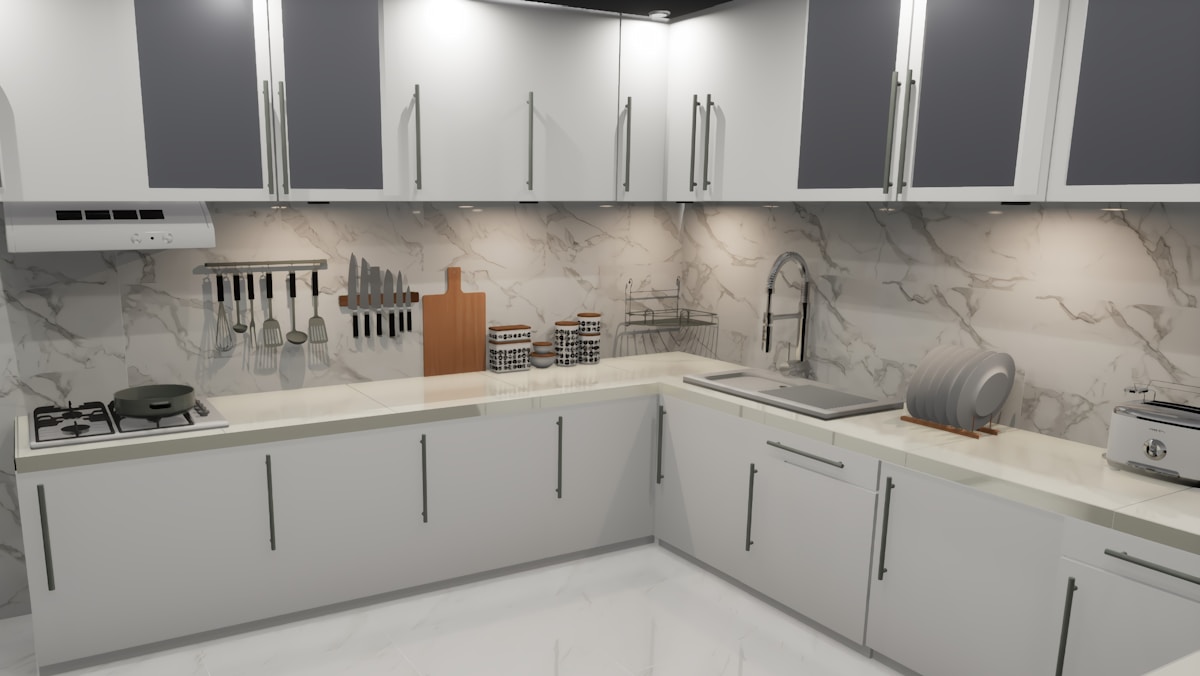
A targeted kitchen renovation can add $100 to $200 per month in rental income
Avoiding Common Contractor Mistakes
Experienced landlords learn these lessons early -- or pay for them repeatedly:
Contractor Mistake Prevention Checklist
- Never hire unlicensed or uninsured contractors -- one worker injury without proper coverage can generate a six-figure liability claim
- Do not over-improve rental properties -- granite countertops in a Class C neighborhood will not generate enough additional rent to justify the cost
- Get permits for all work that requires them -- unpermitted renovations create title and insurance complications when you sell or refinance
- Document everything with photos before, during, and after -- this protects you in disputes and provides evidence for insurance claims
- Match improvement quality to the market -- invest in durability and function, not luxury finishes tenants will not pay a premium for
Investing in quality improvements with trusted contractors increases rental income, reduces vacancy, and preserves property value -- all of which strengthen your DSCR ratios and borrowing power for future acquisitions through 30-year fixed rate DSCR loan programs.
Ready to Scale Your Renovation Pipeline?
Whether you are financing your first value-add project or pulling equity from a performing portfolio, our DSCR programs are built for investors who move fast. No tax returns. No income verification. Close in weeks, not months.