
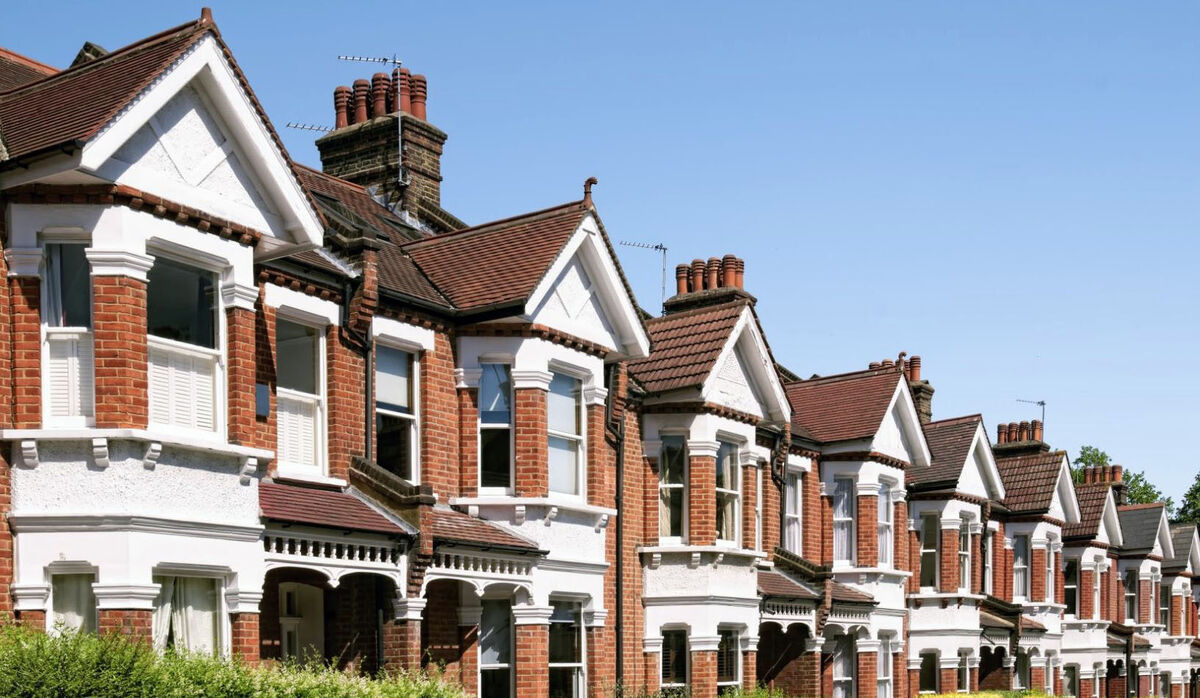
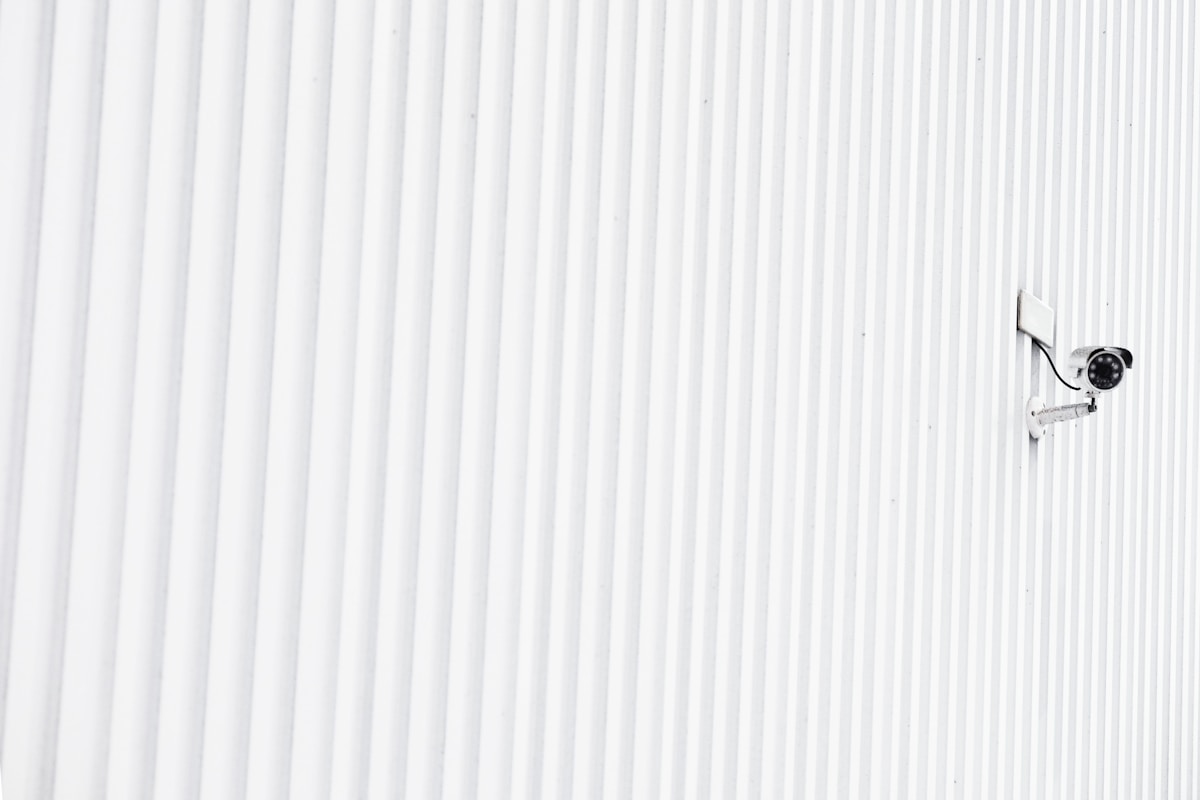
Installing a security system on a rental property is a capital improvement that protects your physical investment, reduces insurance costs, and attracts tenants who value safety -- often allowing you to command higher rent. For landlords managing multiple properties, a systematic approach to security installation ensures consistent protection across the portfolio without overspending on any single unit.
Why Should Landlords Install Security Systems on Rental Properties?
Security systems deliver four measurable financial returns for landlords: insurance premium reductions of 5% to 20%, rental rate premiums of $25 to $75 per month, reduced vandalism and theft losses, and lower vacancy rates. With average landlord insurance running $1,500 to $3,000 per year per property, even a 10% discount saves $150 to $300 annually.
Insurance Premium Reduction
Many insurers offer 5% to 20% discounts on landlord policies for properties with monitored alarm systems. On a $1,500 annual premium, that is $75 to $300 saved per property, per year.
Higher Rental Rates
Security-equipped properties in competitive markets can justify $25 to $75 per month in additional rent, depending on the system and neighborhood.
Reduced Vandalism & Theft
A visible security system deters opportunistic crime. For properties in transitional neighborhoods, the deterrent value alone can prevent thousands in annual damage.
Lower Vacancy Rates
Tenants prioritize safety. A property with security features leases faster than an identical unit without them.
DIY vs. Professional Installation: Which Makes Sense for Landlords?
Should you install the security system yourself or hire a professional? The answer depends on the system type and your portfolio size.
DIY Installation
Modern wireless security systems are designed for self-installation. Most can be set up in 30 to 60 minutes with basic tools. DIY makes sense when:
- You are installing wireless systems (smart locks, doorbell cameras, sensors)
- You manage fewer than 10 properties and can handle the installation personally
- You want to minimize upfront costs -- DIY eliminates $200 to $500 in installation fees per property
- You prefer to maintain full control over the system configuration
Professional Installation
Hardwired systems and comprehensive CCTV setups require professional installation. Hire a licensed security installer when:
- The property requires hardwired alarm panels with window and door contacts run through the walls
- You are installing exterior CCTV cameras that need weatherproof mounting and cable routing
- Local building codes require permitted electrical work for alarm system wiring
- You manage 20+ properties and need a commercial security vendor who can handle fleet installations
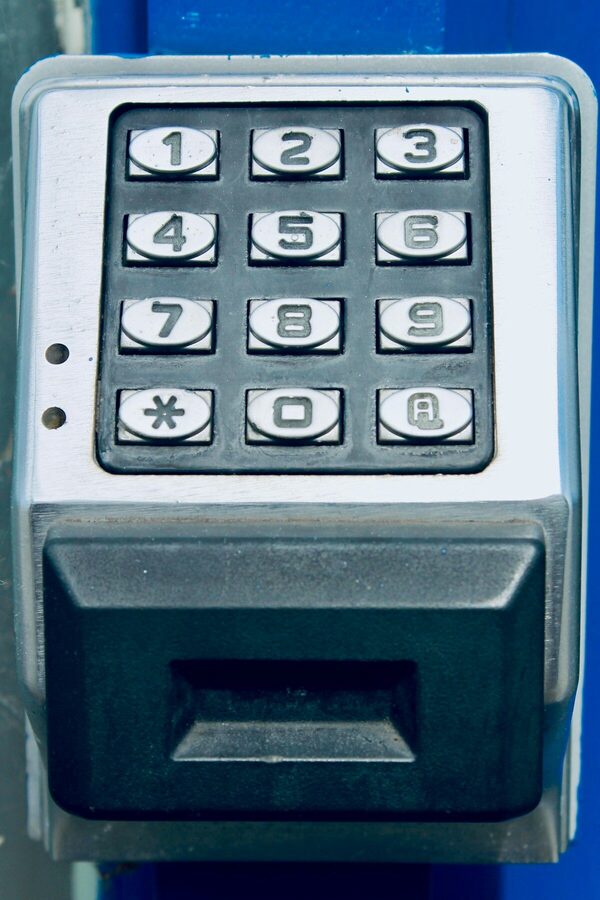
Smart locks eliminate rekeying costs between tenants and give landlords remote access control.
Fund Property Improvements with Existing Equity
Our DSCR cash-out refinance programs let you access equity in your current rentals to fund security systems, renovations, and capital improvements across your portfolio.
Step-by-Step Security Installation for Rental Properties
Whether you choose DIY or professional installation, follow this process for each property:
- Assess entry points: Walk the property and identify all doors, windows, and ground-floor access points. These are your primary sensor locations.
- Select the system tier: Match the security level to the neighborhood risk and property value. A $150,000 rental in a low-crime suburb needs different coverage than a $300,000 property in an urban area with higher incident rates.
- Install smart locks on all exterior doors: Keyless entry eliminates rekeying costs between tenants and provides access control for contractors and property managers.
- Mount the doorbell camera: Position it to capture the face of anyone approaching the front entrance. Ensure the camera's field of view covers the porch and any package delivery areas.
- Place door and window sensors: Contact sensors on all exterior doors and accessible ground-floor windows trigger the alarm if opened while the system is armed.
- Add motion detectors: Interior motion sensors provide a second layer of detection for break-ins that bypass door and window sensors.
- Configure monitoring: Activate professional monitoring or set up self-monitoring through the system's smartphone app. Ensure the property address is registered correctly with the monitoring service.
- Document the installation: Photograph the installed system and record serial numbers, access codes, and monitoring account details for your property records.
Managing Security Across Multiple Properties
Landlords with larger portfolios benefit from standardizing on a single security platform across all properties. Using the same system brand and monitoring provider means one app to manage all properties, one vendor relationship for support, and consistent tenant instructions at every unit.
Standardization also simplifies the insurance documentation process. When you finance multiple properties through a blanket mortgage program, providing evidence of consistent security coverage across the portfolio can support favorable insurance terms and lender requirements.
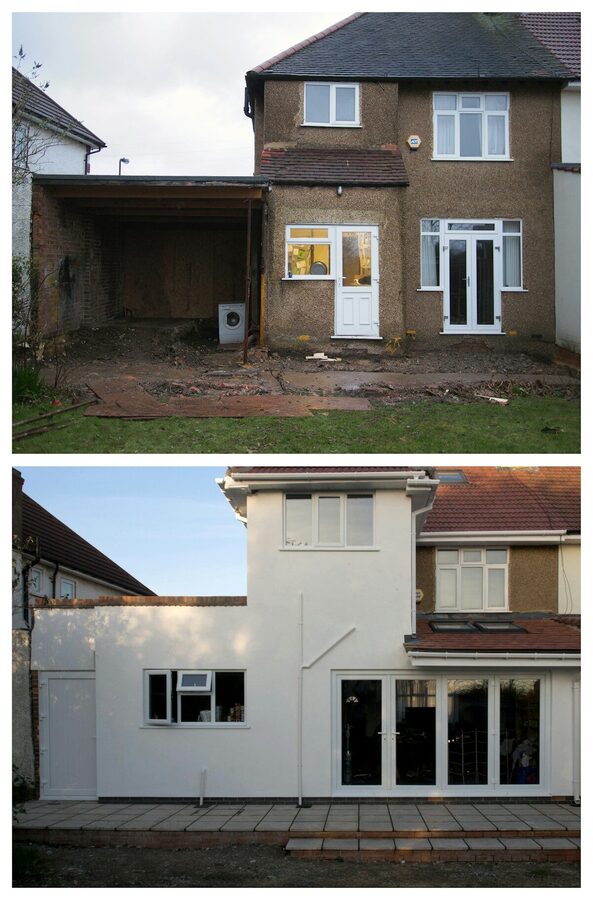
Standardize security across your rental portfolio for simpler management and better insurance terms.
Ongoing Maintenance Keeps Systems Effective
An unmaintained security system provides a false sense of protection. Build these maintenance tasks into your property management routine:
Security Maintenance Checklist
- Test all sensors and alarms at each tenant turnover
- Replace batteries in wireless devices on a fixed annual schedule
- Update access codes whenever occupancy changes
- Verify monitoring service is active and contact information is current
- Clean camera lenses and check recording functionality quarterly
Security systems protect the rental income stream that supports your investment financing. Every property in your portfolio that generates consistent, uninterrupted rent strengthens the DSCR metrics that qualify you for better investment loan terms on future acquisitions.
Grow Your Protected Portfolio
Secure properties attract better tenants and command higher rents. Rental Home Financing helps investors acquire and refinance rental properties with DSCR loans, blanket mortgages, and stated income programs.