
A security system on a rental property does three things for landlords: it deters theft and vandalism that damage your investment, it attracts higher-quality tenants willing to pay premium rent, and it can reduce your insurance premiums by up to 20%. The right system depends on your budget, whether the property is occupied or vacant between leases, and the specific crime profile of the neighborhood.
What Type of Security System Works Best for Rental Properties?
Rental property security differs fundamentally from owner-occupied home security. Your system must survive tenant turnover, require minimal landlord intervention, and hold up to wear from occupants who didn't choose it. Smart locks, doorbell cameras, and wireless alarm systems deliver the best balance of protection, tenant appeal, and cost efficiency for most investment properties.
Rental property security is fundamentally different from securing an owner-occupied home. Your system needs to survive tenant turnover, require minimal landlord intervention, and hold up to wear from people who did not pick it out and may not treat it gently. Here is how the main categories stack up for investment properties.
Smart locks and keyless entry eliminate rekeying costs between tenants entirely. You assign unique access codes for each tenant, contractor, and property manager, then deactivate codes instantly when a lease ends. Over a five-year hold period, the savings on locksmith calls alone can exceed the cost of the lock.
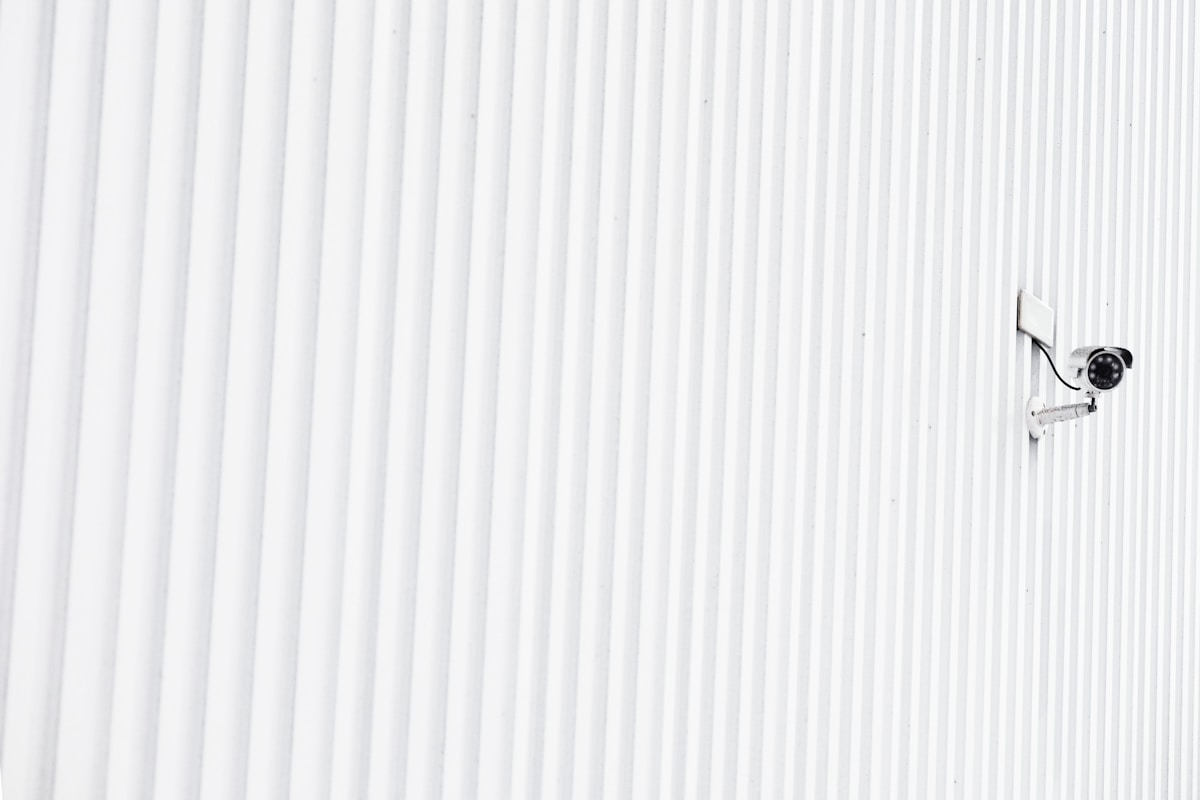
Doorbell cameras deter package theft and document who enters the property. Cloud-recorded footage provides evidence for insurance claims and tenant disputes. For landlords managing properties remotely, a doorbell camera is often the single most useful security investment.
Monitored alarm systems alert local authorities when alarms are triggered. Monthly monitoring costs range from $15 to $50 depending on the provider and response level. These work best in areas where police response times are reasonable.
DIY wireless systems from companies like Ring, SimpliSafe, or Abode cost less upfront and install in under an hour. They are easy to relocate if you sell or exchange the property, making them ideal for landlords who are still building their portfolios.
Hardwired systems are more reliable and tamper-resistant than wireless alternatives, but installation costs run higher. These are best suited for properties you plan to hold long-term with a 30-year fixed DSCR loan.
How Much Should Landlords Budget for Security?
Security system costs vary widely depending on the level of coverage you need. Here is what to expect at each tier and what kind of property each tier fits best.
Basic Tier: $100 - $300
Smart lock, doorbell camera, and basic door/window sensors with self-monitoring through a smartphone app. Ideal for low-crime suburban single-family rentals.
Mid-Range Tier: $300 - $800
Full wireless alarm system with motion sensors, glass-break detectors, and professional monitoring. The best balance of protection, tenant appeal, and cost efficiency for most rentals.
Comprehensive: $800 - $2,000+
Hardwired system with CCTV cameras, smart home automation integration, and 24/7 professional monitoring. Best for higher-risk areas or multi-unit properties.
ROI Calculation
The real question is whether the security investment produces measurable returns through higher rent, lower vacancy, or reduced insurance premiums. For most landlords, mid-range systems pay for themselves within 12-18 months.
For most single-family rentals, the mid-range tier delivers the best return. If you are financing property improvements through a cash-out refinance or leveraging equity from your existing portfolio, security upgrades are among the highest-ROI capital expenditures you can make.
Need Capital for Property Improvements?
Access equity in your existing rentals with a DSCR cash-out refinance to fund security upgrades, renovations, and improvements that increase rent and reduce vacancy.
Home Automation for Vacant and Between-Tenant Properties
Properties that sit vacant between tenants are prime targets for break-ins and vandalism. If your properties experience vacancy periods of more than two weeks, automation pays for itself by reducing the risk of costly damage. Here is what experienced landlords install to protect vacant units.
Remote lighting control programs lights to cycle on and off on varied schedules, creating the appearance of occupancy that deters burglars. A $30 smart plug can save thousands in prevented break-in damage.
Thermostat management lets you maintain minimum temperatures remotely to prevent frozen pipes in winter or mold growth in humid climates. A burst pipe in a vacant property can easily cause $10,000 to $50,000 in damage.
Water leak sensors detect leaks early before they cause thousands of dollars in damage to flooring, walls, and structure. These $20 devices are among the highest-ROI investments a landlord can make.
Access code management grants temporary access to contractors, inspectors, and showing agents without distributing physical keys. This eliminates the logistical headache of key management across a multi-property portfolio, which is especially valuable for landlords with properties financed under a blanket mortgage program.
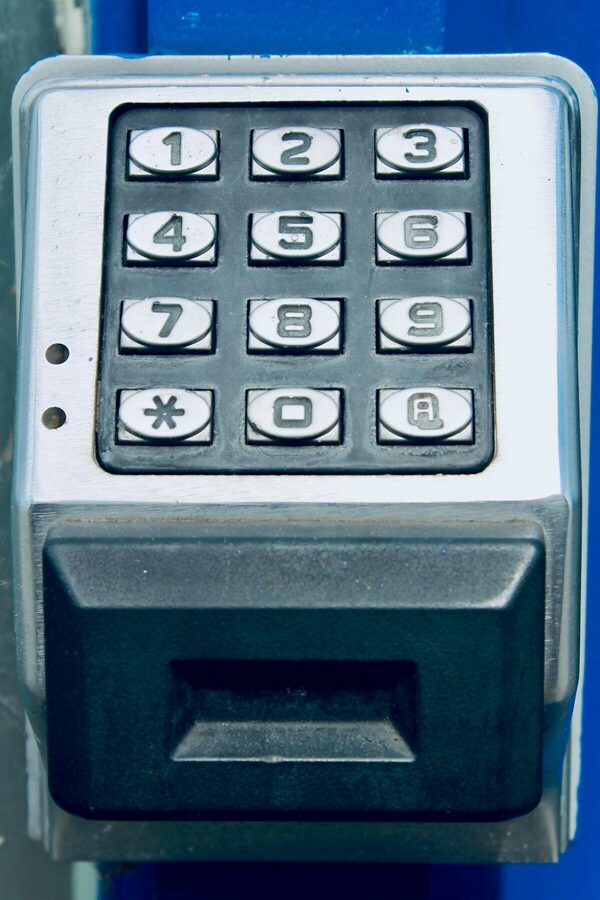
Smart locks eliminate rekeying costs and simplify access management across your entire rental portfolio
Matching Security to Neighborhood Risk
The crime profile of your property's neighborhood should drive every security decision you make. A property in a low-crime suburban area may only need smart locks and a doorbell camera. A property in a higher-crime area may warrant the full suite: alarm system, CCTV cameras, motion-activated exterior lighting, and reinforced entry points.
How do you assess the risk level accurately? Research neighborhood crime data through local police department statistics and online crime mapping tools like CrimeMapping.com or SpotCrime. Pay attention to specific crime types -- if property crime is elevated but violent crime is low, cameras and lighting may be sufficient without a full monitored alarm. Tailor your security investment to address the specific risks present at each property's location rather than applying a one-size-fits-all approach across your portfolio.
Properties in higher-risk neighborhoods that are well-secured often command better rent-to-price ratios, which strengthens your debt service coverage and can help you qualify for no-ratio DSCR financing on your next acquisition.
Security System Maintenance for Landlords
Installing a system is step one. Maintaining it protects the investment for the life of your hold period. Build these tasks into your turnover checklist and quarterly property inspections.
Security System Maintenance Checklist
- Test alarm sensors and smoke detectors at each tenant turnover
- Replace batteries in wireless sensors on a fixed schedule (every 6-12 months)
- Update smart lock codes immediately when a tenant moves out
- Clean camera lenses quarterly to maintain clear footage
- Verify monitoring service contracts are current and contact info is accurate
- Document the system configuration for your property manager and insurance carrier
A well-maintained security system protects your property, attracts better tenants, and supports the rental income that underpins your DSCR investment loan qualification. Every dollar invested in protecting your properties is a dollar invested in protecting the cash flow that finances your portfolio growth.
Ready to Grow Your Rental Portfolio?
Whether you are acquiring your next property or refinancing to fund improvements, our DSCR loan programs qualify based on rental income -- not personal tax returns. Get pre-qualified in minutes.