

Pest infestations rank among the most damaging and costly problems a rental property owner can face. Beyond the obvious tenant complaints, unchecked pests can compromise structural integrity, trigger legal liability, and crater your property's value. The good news is that most pest problems are preventable with consistent maintenance and clear communication between landlord and tenant. Here is a practical guide to keeping every property in your portfolio pest-free.
Prevent Entry
Sealing cracks, gaps around pipes, and worn weather stripping stops pests before they get inside.
Eliminate Attractants
Proper food storage, clean drains, and sealed garbage containers remove what pests come looking for.
Structural Protection
Regular termite inspections and moisture control protect your property's long-term structural integrity.
Tenant Cooperation
Clear lease language about cleanliness and reporting responsibilities keeps tenants accountable.
Essential Pest Prevention Strategies for Landlords
- Eliminate food and water sources that attract roaches, ants, and rodents
- Seal entry points including cracks, gaps around pipes, and worn weather stripping
- Address drainage issues and standing water to prevent mosquitoes and moisture-loving pests
- Schedule annual inspections for wood-destroying organisms like termites and carpenter ants
What Do Pests Need to Survive in Your Rental Property?
Every pest problem begins the same way -- something inside your property is providing food, water, or shelter. Pest damage costs U.S. property owners an estimated $5 billion+ annually (NPMA), and rental properties are especially vulnerable because landlords don't directly control tenant habits around food storage, cleaning, and waste management.
Every pest problem begins the same way -- something inside your property is providing what pests need to survive. Roaches, ants, mice, and rats are all opportunistic feeders. If your property or your tenant's habits provide reliable access to food scraps, standing water, or organic debris, pests will move in and multiply quickly.
As a landlord, your responsibility starts with the infrastructure. Make sure kitchen plumbing is leak-free, bathroom fixtures drain properly, and HVAC condensate lines are clear. Then educate your tenants. Include pest prevention expectations in your lease agreement: food should be stored in sealed containers, dishes should not sit unwashed overnight, and pet food should not be left out in open bowls. These are not unreasonable requests -- they are baseline property care that protects both the tenant and your investment.
How Do You Seal Every Pest Entry Point?
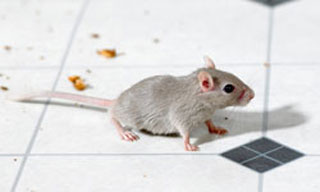
How are pests getting inside in the first place? In most cases, through openings that are surprisingly small. A mouse can squeeze through a gap the width of a pencil. Roaches can flatten themselves to fit through cracks barely an eighth of an inch wide. During every turnover and routine inspection, walk the exterior and interior looking for entry points.
Check the seals around doors and windows. Is the weather stripping intact and making full contact? Are there gaps around plumbing and electrical penetrations through exterior walls? Foundation cracks, damaged soffit vents, and gaps where utility lines enter the building are all common entry points. Sealing these with appropriate caulk, steel wool, or expandable foam is inexpensive and one of the most effective pest prevention measures you can take.
Window screens are another frequently neglected detail. A torn or missing screen is an open invitation for flies, mosquitoes, and wasps. Make screen inspection part of your seasonal maintenance checklist for every residential rental property in your portfolio.
Protect Your Investment Portfolio
Proactive property maintenance starts with the right financing. Rental Home Financing provides investor-focused loan programs that let you acquire, refinance, and maintain rental properties with confidence.
Why Is Moisture Control Critical for Pest Prevention?
Mosquitoes breed in stagnant water, and many other pests -- from termites to silverfish -- thrive in moist environments. Your property's drainage system is your first line of defense. Gutters should be clean and flowing freely. Downspouts should discharge water at least two feet away from the foundation. Grading around the property should slope away from the building, not toward it.
Inside the property, look for hidden moisture sources. A slow leak under a kitchen sink, condensation in a poorly ventilated bathroom, or a dripping outdoor faucet can all create the damp conditions that pests love. Crawl spaces and basements deserve special attention -- installing vapor barriers and ensuring adequate ventilation in these areas can prevent both pest and mold problems simultaneously.
Consistent prevention costs a fraction of what emergency pest treatment and structural repair would run
How Should Landlords Manage Trash and Outdoor Spaces?
Garbage containers are pest magnets. Make sure every rental unit has access to sealed trash receptacles with tight-fitting lids. Include in your lease that trash bins should be kept closed at all times and placed at the curb only on collection days. Seasonally, bins should be rinsed out and allowed to dry completely to remove the residue that attracts pests between collections.
Landscaping matters, too. Overgrown vegetation touching the building creates bridges that pests use to reach entry points. Keep tree branches trimmed at least three feet from the roofline. Trim shrubs so they do not contact exterior walls. Store firewood away from the structure and elevated off the ground. These simple maintenance habits make a measurable difference in pest pressure.
Which Destructive Pests Pose the Biggest Threat to Rental Properties?
Not all pests are equal. While ants on a kitchen counter are a nuisance, wood-destroying organisms can silently devastate the structural integrity of your investment. Here are the most damaging pests every landlord should understand.
Termites
The most destructive wood pest in the U.S. Subterranean termites can cause thousands in structural damage before visible signs appear. Annual inspections are essential.
Carpenter Ants
Excavate galleries in moisture-damaged wood for nesting. Look for frass (sawdust-like debris) near baseboards, window frames, and areas with past water damage.
Carpenter Bees & Beetles
Carpenter bees bore half-inch tunnels into wood siding and trim. Powderpost beetles consume wood from the inside. Both require prompt treatment to prevent spreading.
How Do You Build Pest Prevention Into Your Lease and Maintenance Routine?
The most effective pest management program combines landlord maintenance with tenant accountability. Your lease should clearly outline tenant responsibilities: keeping the property clean, reporting leaks and pest sightings promptly, and not creating conditions that attract pests. At the same time, your maintenance schedule should include seasonal exterior inspections, annual termite inspections, and prompt response to any tenant-reported pest issues.
Consider budgeting for a quarterly preventive pest treatment from a licensed professional. For a portfolio of multiple rental properties, many pest control companies offer volume discounts that make professional prevention surprisingly affordable. The cost of a quarterly spray is a fraction of what you would spend on a termite remediation or tenant relocation due to a severe infestation.
What happens when a tenant reports a pest problem despite your best prevention efforts? Act immediately. A fast, professional response limits the damage, satisfies the tenant, and demonstrates the kind of responsive management that keeps good tenants renewing their leases. Delayed action allows infestations to spread, increases remediation costs, and puts you at risk of habitability complaints.
Protect the Property, Protect the Investment
Pest prevention is not glamorous, but it is one of the most impactful forms of property maintenance a landlord can practice. A property with a clean pest history, current termite bond, and well-sealed exterior is worth more at appraisal, rents for more, and attracts higher-quality tenants. Treat pest management as an essential operating expense, not an afterthought, and your rental properties will perform better for years to come.
Financing for Landlords Who Protect Their Properties
Rental Home Financing understands that great landlords invest in maintenance. Our 30-year DSCR loan programs give you the stable payments and cash flow to maintain your properties properly while growing your portfolio.