
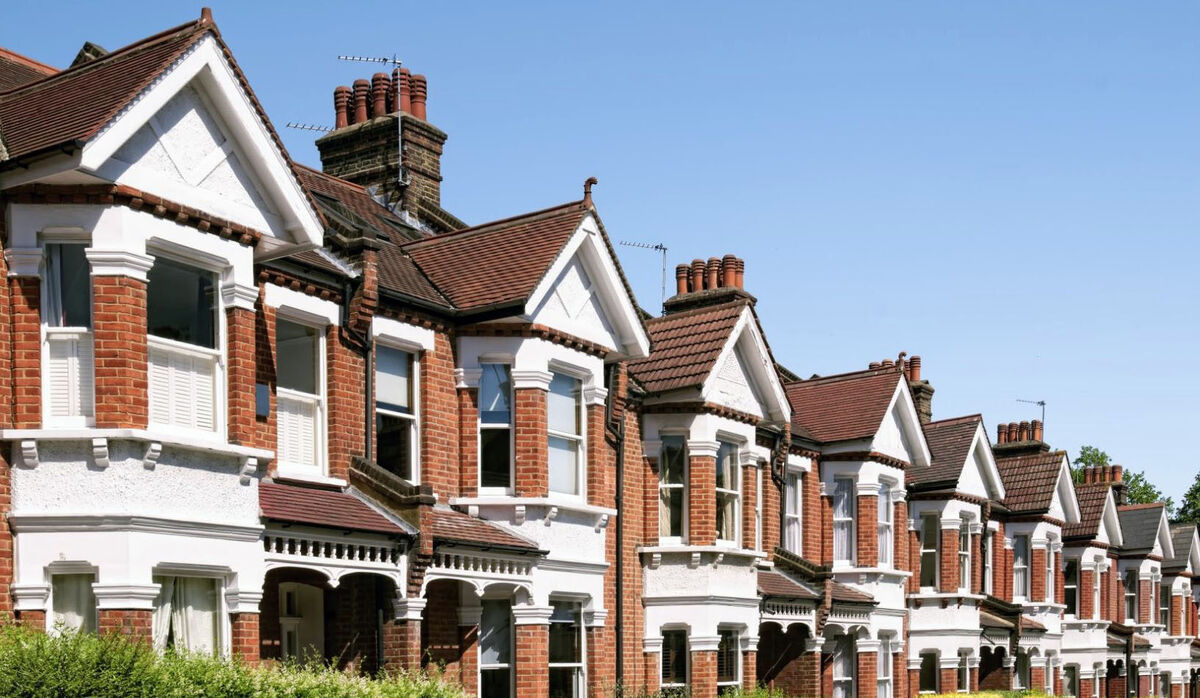

Cap rates, cash-on-cash returns, and NOI all matter. But the landlords who consistently outperform their competition share a less obvious advantage: they know their neighborhoods intimately. Understanding the community around your rental properties is one of the simplest, most overlooked strategies for improving property value, attracting quality tenants, and reducing vacancy. When you invest in the neighborhood, you invest in your bottom line.
Market Intelligence
Knowing your neighborhood gives you early insight into trends, development, and opportunities before competitors.
Better Tenants
Community engagement helps you attract quality tenants who value the neighborhood as much as you do.
Property Value
Neighborhood improvements and community involvement directly influence appraisal values and rent potential.
Risk Reduction
Understanding local dynamics lets you anticipate problems and position your properties defensively.
Why Neighborhood Knowledge Drives Landlord Success
- Neighborhood quality directly impacts tenant quality, retention rates, and achievable rents
- Active community involvement gives landlords early insight into neighborhood trends and opportunities
- Improving community perception raises property values across your entire local portfolio
- Word-of-mouth referrals from a strong community presence reduce marketing and vacancy costs
Why Is Neighborhood Engagement a Business Strategy?
Many landlords evaluate properties purely through financial metrics. What is the cap rate (capitalization rate)? What does comparable rent data show? These numbers are important, but they only tell you what a property is worth today. Neighborhood dynamics tell you where that value is heading.
A strong, improving neighborhood lifts every property within it. Crime rates drop, school quality improves, local businesses invest, and property values follow. A declining neighborhood has the opposite effect -- even a well-maintained rental loses value when the surrounding area deteriorates. By engaging with the community around your properties, you gain a ground-level view of which direction things are moving and the ability to influence that trajectory in your favor.
How Do Neighborhood Improvements Increase Your Property Values?
One of the most direct ways to enhance a neighborhood is to lead a cleanup effort. Problem spots -- vacant lots where people dump unwanted items, overgrown common areas, neglected public spaces -- drag down the perception of an entire block. Organizing a volunteer cleanup day costs almost nothing, creates goodwill with neighbors, and visibly improves the area around your properties.
If the neighborhood is already fairly clean, take it a step further. Plant trees along the street, install flower beds near entrances, or coordinate with the local parks department on improvements to nearby public spaces. These efforts have a surprisingly direct impact on property values. Studies consistently show that well-maintained landscaping and streetscaping can increase nearby home values by 5% to 15% -- a return that benefits every property in your portfolio.
Build Relationships Through Community Events
How well do you know the people who live around your rental properties? Attending neighborhood meetings, block parties, and local events puts you face-to-face with the community your tenants are part of. This is not just about being a good neighbor -- it is a practical intelligence-gathering operation.
At community meetings, you learn about planned infrastructure improvements, zoning changes, and new business developments before they hit the news. At block parties and social events, you hear which landlords have good reputations and which do not. You learn what tenants in the area value most and what frustrates them. This information is gold when you are making decisions about rent pricing, property improvements, or where to acquire your next investment.
If formal events are scarce in your neighborhood, create your own. A seasonal cookout, a holiday gathering, or a simple meet-and-greet gives you a platform to connect with neighbors and tenants in a relaxed setting. The relationships you build become your referral network -- when someone in the neighborhood needs a place to rent, your name comes up first.
Expanding Your Portfolio in Growing Neighborhoods?
When you spot an opportunity in a neighborhood you know well, Rental Home Financing can move fast. Our no-ratio DSCR programs let you close quickly without personal income documentation.

When you invest in the neighborhood, you invest in every property you own in it
Leverage Online and Social Media Presence
Most neighborhoods have active social media groups, community forums, or messaging platforms where residents share information about events, safety concerns, local business recommendations, and neighborhood news. Joining these groups gives you a real-time pulse on the community without requiring constant in-person presence.
Being an active, helpful presence in these forums builds your reputation as an engaged landlord. Share useful information, respond to questions about your properties, and participate in discussions about neighborhood improvements. Avoid being overly promotional -- the goal is to be seen as a community member who happens to own rental properties, not an outsider looking to profit. Over time, this visibility generates organic tenant referrals and positions you as a trusted figure in the neighborhood.
Volunteer Your Time Strategically
Many neighborhoods include community centers, nonprofit organizations, youth programs, and local business associations that welcome volunteer involvement. Choosing one or two organizations to support gives you a deeper connection to the community while building relationships with people who can influence the neighborhood's direction.
Consider joining a neighborhood association board, volunteering at a local community center, or participating in a business improvement district. These roles give you a seat at the table when decisions about the neighborhood are being made -- decisions that directly affect your property values. Committing one day per month is enough to maintain a meaningful presence without overwhelming your schedule.
Community Events
Attend meetings and social gatherings to gather neighborhood intelligence and build referral relationships.
Online Engagement
Join neighborhood social media groups and forums to monitor community sentiment and build your reputation as an engaged landlord.
Value Improvement
Lead cleanup efforts and beautification projects that directly increase property values across your neighborhood portfolio.
How Neighborhood Knowledge Translates to Profit
Everything you learn through community engagement feeds directly into better investment decisions. When you know a neighborhood is on an upward trajectory, you can acquire properties before values fully reflect the improvement. When you understand what local tenants value -- proximity to transit, walkability, school quality, safety -- you can market your properties more effectively and price them appropriately.
Neighborhood knowledge also helps you avoid expensive mistakes. An area with rising crime, declining school enrollment, or business closures may offer attractive cap rates on paper but carry hidden risks that the numbers do not show. The landlord who attends community meetings and talks to residents knows about these red flags long before they show up in market data.
For investors managing a portfolio of multiple rental properties, neighborhood engagement across different markets provides a comparative perspective that sharpens your investment thesis. You develop an instinct for which areas are poised for growth and which are plateauing -- an instinct that cannot be replicated by spreadsheets alone.
Invest in Your Community, Invest in Yourself
The most successful landlords treat their neighborhoods as extensions of their investments. When the community thrives, tenants stay longer, vacancies drop, and property values climb. Managing your time is important -- you do not need to attend every event or join every organization. But dedicating consistent, moderate effort to knowing and improving the neighborhoods where you own property pays dividends that compound over time.
Stretch your presence beyond the walls of your rental properties. Build relationships, contribute to improvements, and stay informed about the forces shaping your markets. The landlords who do this consistently are the ones building lasting, resilient wealth through residential rental property investing.
Ready to Grow in the Right Neighborhoods?
When you find a neighborhood worth investing in, Rental Home Financing provides the loan programs to help you act. DSCR-based financing, competitive rates, and a team that understands rental investors.