
Fixer-upper properties attract investors because they offer the chance to buy below market value and force equity through improvements. When the numbers work, a rehab project can produce strong cash flow from rental income and significant appreciation once renovations are complete. But not every distressed property is a smart investment, and not every investor has the skills, budget, or timeline to make it profitable.
Below-Market Purchase Price
Fixer-uppers sell at discounts because they scare off conventional buyers. That discount is your built-in equity margin.
Forced Appreciation
Renovation directly increases property value. A $30K rehab on a $120K purchase can create a $180K+ asset.
Budget Overrun Risk
Hidden damage, code violations, and material cost spikes can blow past estimates. Always add 15-20% contingency.
Time Commitment
Rehab projects demand hands-on oversight. Even with contractors, expect regular site visits and schedule management.
What Exactly Is a Fixer-Upper Property?
A fixer-upper is any property that requires rehabilitation before it can serve its intended purpose -- whether that's a long-term rental, a short-term vacation property, or a flip. The scope of work ranges widely. Some need only cosmetic updates like fresh paint, new flooring, and updated fixtures. Others require structural repairs, new roofing, plumbing overhauls, or complete gut renovations.
The severity of the work directly impacts your acquisition cost, renovation budget, timeline, and profit margin. Cosmetic-only properties carry less risk but attract more competition from other investors. Properties that appear to need extensive work but actually require only targeted repairs offer the best value -- they scare away less experienced buyers while remaining manageable for skilled investors.
Is a Fixer-Upper a Good Real Estate Investment?
The formula is straightforward: purchase price plus renovation costs must be significantly less than the property's after-repair value (ARV). The gap between your all-in cost and the finished market value is your built-in equity. For cash flow real estate investing, you also need the post-renovation rental income to support your debt service with room to spare.
A property purchased at $100,000 with $35,000 in renovation costs and an ARV of $185,000 creates roughly $50,000 in forced equity. If that property rents for $1,600/month and your PITI runs $1,100, you've got a solid 1.45x DSCR and a strong rental asset. Those are the numbers that make fixer-uppers work.
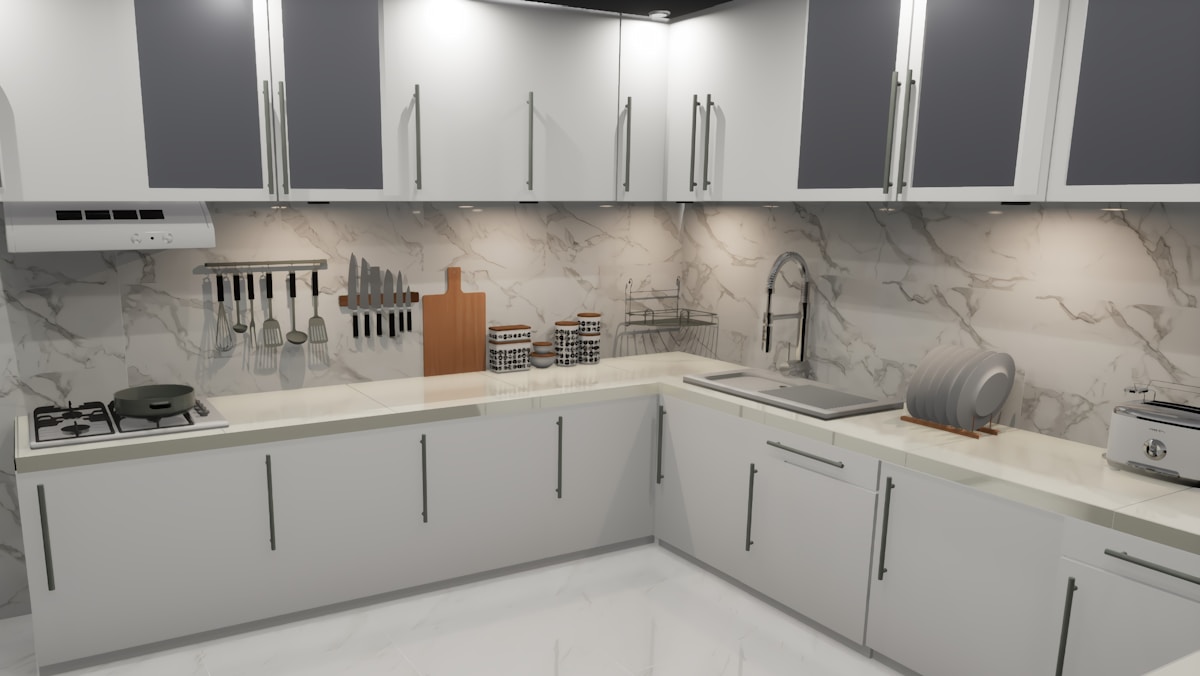
Strategic renovations like kitchen upgrades deliver the strongest return on investment
How Much Renovation Work Does the Property Need?
Before purchasing any fixer-upper, get a thorough inspection and a detailed contractor estimate. Break the renovation into categories: structural, mechanical (HVAC, plumbing, electrical), cosmetic, and code compliance. Know your total rehabilitation budget before you submit an offer, and add a 15 to 20 percent contingency for unexpected issues that surface during construction.
Properties that need only cosmetic work -- paint, flooring, fixtures, landscaping -- are the lowest risk. You can often handle these yourself and keep labor costs minimal. For larger-scale projects involving structural work, electrical, plumbing, or HVAC, hire licensed professionals. The cost of correcting improperly completed mechanical work far exceeds the savings from doing it yourself.
Finance Your Fixer-Upper Investment
Rental Home Financing offers investor loans for properties that need work. Use cash-out refinancing from existing properties or qualify based on projected rental income with our No-Ratio DSCR program.
Can You Handle the Financial Risk of a Rehab Project?
Every experienced rehabber has a story about a project that went over budget. Hidden water damage behind walls, outdated wiring that doesn't meet current code, foundation issues that only appear after demolition begins. Budget overruns aren't a possibility -- they're a probability.
Successful fixer-upper investors maintain cash reserves beyond their renovation budget and have access to additional financing if needed -- such as bridge and fix-and-flip loans designed specifically for rehab projects. A residential rental property loan with a cash-out option can provide the financial flexibility to handle unexpected costs without stalling your project.
Factor in carrying costs during the renovation period too: mortgage payments, insurance, utilities, and property taxes all continue while the property generates zero income. A six-month renovation on a property with $1,200/month in carrying costs adds $7,200 to your total investment before you collect a single rent check.
Do You Have the Right Skills or the Right Team?
If you can handle painting, flooring installation, fixture upgrades, and basic carpentry, you can save significantly on labor costs while learning how long projects take. That knowledge helps you estimate future deals more accurately. But be honest about your limitations -- DIY electrical or plumbing work that fails inspection will cost you twice.
For investors with full-time jobs or existing portfolios to manage, the question becomes whether you can devote the hours required to keep a renovation on track. If not, build reliable contractor relationships and budget accordingly. The right general contractor adds cost but saves time and prevents expensive mistakes.
Fixer-Upper Investment Checklist
- Get professional inspections and detailed contractor estimates before purchasing
- Add 15-20% to every renovation budget for contingencies
- Factor in carrying costs during renovation (mortgage, insurance, utilities)
- Evaluate after-repair rental income potential, not just resale value
- Secure financing before starting your property search so you can move fast
Turn Your Fixer-Upper Into a Cash-Flowing Rental
We help investors finance acquisitions, renovations, and portfolio growth. Talk to our team about structuring the right loan for your next project.