
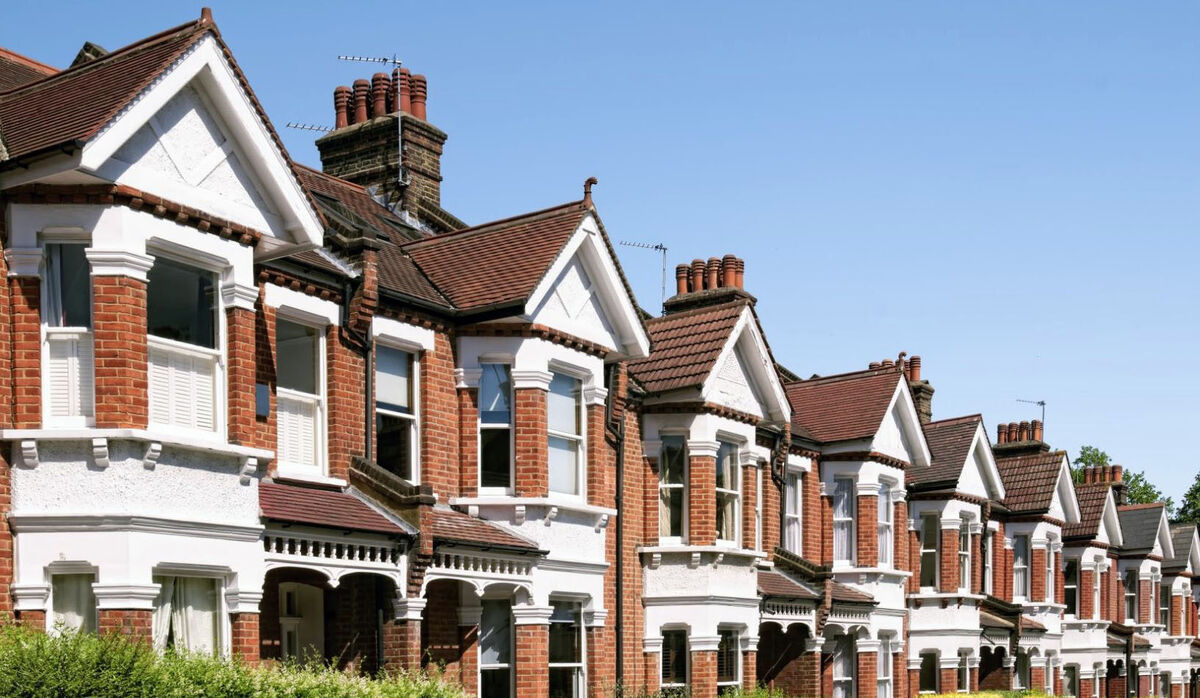

For decades, the suburbs pulled residents and employers away from city centers. That trend has reversed. Downtown areas and neighborhoods near central business districts are experiencing renewed job growth, rising housing demand, and increasing rents. For rental property investors, this urban revival creates real opportunity -- particularly in single-family and small multifamily properties located just outside the highest-priced urban core.
Rising Urban Demand
Properties near central business districts benefit from growing tenant demand as professionals seek shorter commutes and urban amenities.
Premium Rent Potential
CBD-adjacent rentals command higher rents due to location desirability, walkability, and proximity to employment centers.
Lower Vacancy Rates
Strong demand in near-CBD areas keeps occupancy high and reduces the time between tenants during turnover.
Long-Term Appreciation
Urban infill areas near business districts consistently appreciate as development pressure and infrastructure investment increase land values.
Why Urban-Adjacent Rental Properties Outperform
- Downtown job growth is outpacing suburban employment gains in many metro areas
- Younger professionals and knowledge workers prefer walkable, transit-accessible neighborhoods
- Properties near downtown command higher rents and experience lower vacancy rates
- Neighborhoods just outside the urban core offer the best balance of entry price and rental yield
What Is Driving the Shift Back to City Centers?
Job growth, demographic change, and corporate relocation are pulling population back to urban cores. Millennials now make up the largest renter cohort (U.S. Census), and they overwhelmingly prefer walkable, transit-connected neighborhoods. Major employers in technology, healthcare, and finance have followed, expanding downtown office footprints and creating a self-reinforcing demand cycle for nearby rental housing.
The mid-twentieth century story of American cities was one of decentralization. People moved to suburbs. Employers followed. Downtown districts hollowed out. But that narrative has fundamentally reversed in the nation's largest metro areas.
City centers are now outpacing their surrounding suburban areas in job growth. Downtown neighborhoods in cities like Nashville, Austin, Denver, Charlotte, and Raleigh are experiencing rapid employment expansion -- particularly in business services, technology, healthcare, and finance. These are high-wage sectors that bring well-paid workers who need housing close to their workplace.
Major corporations have recognized this shift and responded by relocating offices to urban cores or expanding their downtown presence. They are following the talent, and the talent wants to live in walkable, transit-connected, amenity-rich neighborhoods. This corporate migration reinforces the demand cycle: more employers downtown means more workers, more workers means more housing demand, and more housing demand means rising rents and property values for well-positioned investors.
Why Does This Matter for Rental Investors?
When housing demand rises in a concentrated geographic area, two things happen that directly benefit rental property owners. First, rents increase because more tenants are competing for limited housing stock. Second, vacancy rates decline because the pool of qualified renters is deep. Both outcomes improve cash flow and reduce the primary risk in rental investing -- an empty unit generating no income.
The challenge for investors is that housing right in the urban core -- high-rise condominiums, Class A apartment buildings -- tends to be expensive. Entry prices are steep, and the yields on premium downtown properties can be thin. The smart play is to look at neighborhoods adjacent to the central business district, where you can acquire single-family rentals or small multifamily properties at a fraction of the downtown price while still capturing the rent premiums that proximity to employment centers commands.
These near-downtown neighborhoods often contain older housing stock that has not yet been renovated to match the quality of new construction closer to the core. That creates a value-add opportunity: purchase a well-located property below replacement cost, invest in targeted improvements, and lease at rents that reflect the location's growing desirability.
Finance Urban Rental Properties with DSCR Loans
Whether you are acquiring a single-family rental near downtown or an apartment building in the urban core, Rental Home Financing offers DSCR loans with no ratio tied to your personal income. Qualify on the property's performance, not your W-2.

Near-CBD rental properties benefit from strong tenant demand, premium rents, and consistent long-term appreciation.
Who Is Renting Near Central Business Districts?
The primary tenant pool is younger professionals and knowledge workers earning above-median incomes who prioritize convenience over square footage. But it also includes empty nesters downsizing from suburban homes and car-free households. Census data shows the national rental vacancy rate averages about 6.6%, but near-CBD properties in strong markets consistently run below that -- translating directly to more stable cash flow for landlords.
Who is renting near central business districts? Primarily younger professionals and knowledge workers who prioritize convenience, walkability, and access to dining, entertainment, and transit over square footage and yard space. This demographic tends to be well-educated, relatively high-earning, and mobile -- they will pay a premium for a well-located rental that eliminates a long commute.
But it is not only younger renters. Empty nesters downsizing from suburban homes increasingly seek urban convenience, too. Households without vehicles -- a growing segment in many cities -- value the transit access that near-downtown locations provide. These diverse renter pools create stable, year-round demand that insulates urban rental properties from the seasonal fluctuations that affect some suburban markets.
Understanding your renter profile helps you make smarter acquisition decisions. A two-bedroom unit near downtown is likely to attract a different tenant than a three-bedroom suburban house. The urban renter tends to stay longer (less turnover cost), pay higher rent per square foot, and care more about location than property size. These characteristics translate directly into better economics for the landlord.
Where Is the Opportunity Strongest?
Not every city is experiencing the same degree of urban revival. The strongest opportunities are in metro areas where downtown job growth is robust, where transit infrastructure is improving, and where there is still affordable housing stock near the core that has not yet been priced at premium levels.
Look for cities where the gap between downtown rents and near-downtown rents is significant. That gap represents your margin. If a studio in the central business district rents for $2,000 but a comparable unit fifteen minutes away rents for $1,400, that $600 difference tells you the near-downtown market has room to appreciate as the neighborhood continues to gentrify and attract tenants priced out of the core.
Cities with active transit expansion projects -- new light rail lines, bus rapid transit corridors, bike infrastructure -- are especially promising. These investments increase the effective radius of the central business district, bringing previously disconnected neighborhoods into the urban ecosystem and creating appreciation potential for investors who recognize the trend early.
Multifamily Properties
Urban density supports apartment buildings and small multifamily properties with strong occupancy rates.
Near-Downtown SFRs
Single-family rentals near the urban core offer high rents with lower entry costs than downtown condos.
Value-Add Potential
Older properties in gentrifying neighborhoods offer renovation upside with strong location fundamentals.
Financing Urban Rental Property Acquisitions
Urban properties near central business districts often carry higher price tags than suburban comparables, which means your financing strategy needs to be dialed in. The good news is that these properties also tend to generate higher rents, which strengthens your DSCR and can qualify you for more favorable loan terms.
For single-family rentals and small multifamily properties, a residential rental property loan provides the long-term, fixed-rate financing that stabilizes your cash flow. For larger apartment buildings, a blanket mortgage lets you consolidate multiple units under a single loan, simplifying management and often improving your overall terms.
The urban housing demand trend is not a fad. It reflects fundamental shifts in how people want to live and work. For investors who position themselves in the right neighborhoods with the right financing, the returns from near-downtown rental properties can be exceptional -- strong cash flow today, significant appreciation over time, and a deep pool of qualified tenants who keep vacancy rates low.