
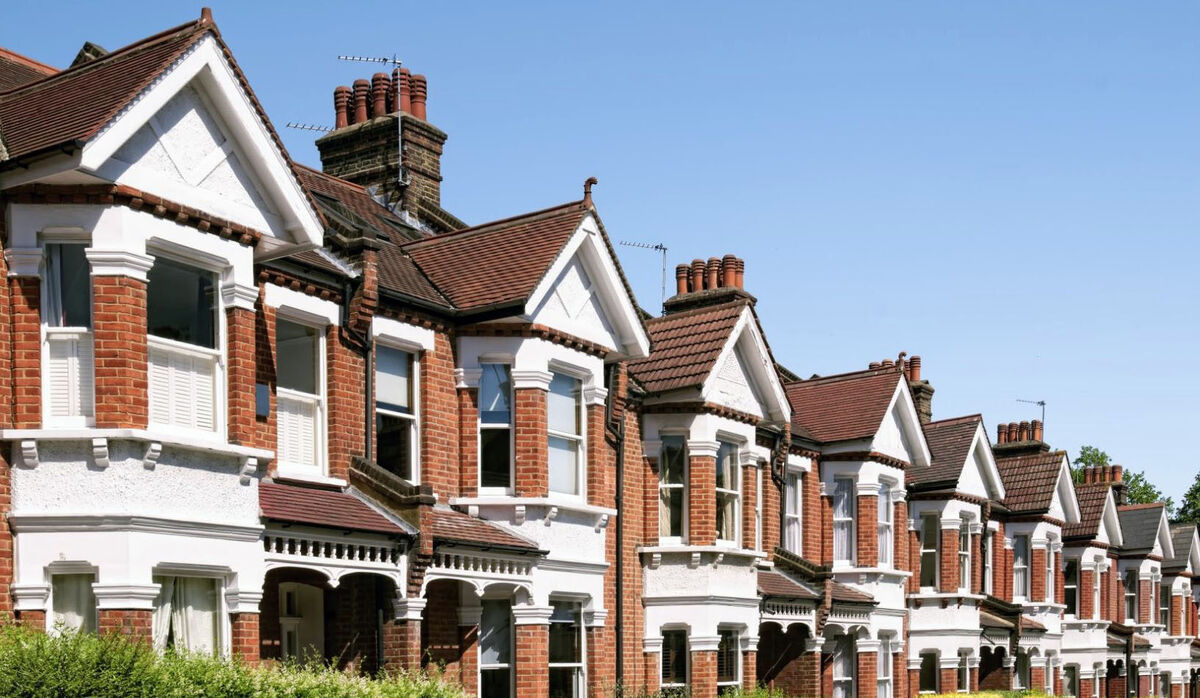

Purchasing an apartment building is one of the strongest moves a real estate investor can make. Multifamily properties deliver immediate cash flow from multiple rental units, provide a natural hedge against vacancy, and create leverage for continued portfolio growth. Here is a five-step process to move from interest to ownership as efficiently as possible.
Down Payment Strategy
Most programs require 20-30% down -- equity from existing properties can fund your next acquisition.
Asset-Based Lending
Qualify based on the building's rental income, not your W-2 or personal financial documentation.
LLC Protection
Form an LLC before closing to separate personal assets from property liability.
Fast Execution
Asset-based lenders close in weeks, not the months required by government-backed programs.
How Do You Secure Apartment Building Financing?
Purchasing an apartment building is one of the strongest moves a real estate investor can make. Multifamily properties deliver immediate cash flow from multiple rental units, provide a natural hedge against vacancy, and create leverage for continued portfolio growth. According to the National Multifamily Housing Council, over 12 million U.S. apartment units are in buildings with 5+ units -- and every one was acquired through some form of investment financing.
Securing apartment building financing does not have to be complicated. Follow these five steps to move from interest to ownership as efficiently as possible.

The quality of your financing directly determines how much of the upside you actually capture
What Are the 5 Steps to Securing Apartment Building Financing?
1. Build Your Down Payment
What is the minimum down payment for an apartment building? Multifamily properties with 5+ units typically require 25-30% down payment for conventional financing, though DSCR programs offer up to 80% LTV. The more you put down, the better your rate and terms will be.
If you already own investment properties with built-up equity, a cash-out refinance on an existing holding can fund your down payment on the next acquisition. This is how experienced investors compound their portfolio growth without needing massive amounts of liquid cash.
If you are making your first apartment building purchase, start building your down payment fund now. The sooner you have capital ready, the faster you can act when the right building hits the market.
2. Identify Target Properties
While you are saving, start researching apartment buildings in your target markets. Consider factors that directly impact your financing and returns:
- Unit count and property type -- Five-plus units are classified as commercial; 2-4 units can qualify for residential financing
- Current occupancy and rent roll -- Stabilized buildings with strong occupancy get the best loan terms
- Market rental rates -- Confirm that current rents are at or below market so there is room for income growth
- Property condition -- Value-add opportunities can deliver higher returns but may require additional capital for renovations
- Location fundamentals -- Job growth, population trends, and rental demand in the area
Your budget must be the primary guiding factor. Do not stretch beyond what the property's income can realistically support. A building that requires aggressive rent increases or full occupancy just to cover the mortgage payment is not a safe investment.
3. Work with an Experienced Broker
An apartment building broker with local market expertise can accelerate your property search considerably. They have access to off-market deals, know which buildings are mispriced, and can help you negotiate a better purchase price.
Before engaging a broker, know exactly what you can afford and what you are looking for. Communicate your price range, target unit count, preferred locations, and investment criteria clearly. A good broker works within your parameters rather than pushing you toward properties that stretch your budget.
4. Choose an Asset-Based Lender
How do you choose the right lender for apartment building financing? For most investors, an asset-based lender is the best option. These are nonbank lenders who evaluate your loan eligibility based primarily on the property itself rather than your personal financial profile.
At Rental Home Financing, we do not request W-2s, income statements, bank records, or extensive personal financial documentation. If the building generates sufficient rental income to support the loan, we underwrite the deal. Our no-ratio DSCR loan program is the fastest path to apartment building ownership.
How does asset-based lending compare to other options?
- Government loans (Fannie Mae, Freddie Mac, FHA) -- Excellent terms but extensive red tape, long timelines, and strict eligibility requirements
- Private investors / syndication -- Raising capital from multiple parties is time-consuming, cuts into your ROI, and adds management complexity
- Asset-based lenders -- Straightforward process, fast closings, property-focused underwriting, and no upper limit on the number of properties you finance
As long as you have the required down payment and the property's income supports the loan, an asset-based lender can move forward with your purchase quickly.
5. Form an LLC Before Closing
Before you finalize your apartment building financing, form a limited liability company (LLC) to hold the property. Why is an LLC important for apartment building investors?
- Liability protection -- An LLC separates your personal assets from the property, shielding your home, savings, and other investments from lawsuits related to the building
- Tax advantages -- Pass-through taxation eliminates double taxation on rental income
- Privacy -- The LLC name appears on public records instead of your personal name
- Professional structure -- Lenders, partners, and tenants interact with your business entity rather than you personally
The more tenants you have, the more exposed you are to potential legal claims. An LLC does not prevent lawsuits, but it limits the financial damage to the assets held within that specific entity. For apartment building owners with dozens or hundreds of units, this protection is essential.
Ready to Secure Your Apartment Building Financing?
Our team has been helping experienced investors secure multifamily financing for over 20 years. No W-2s. No tax returns. Approvals based on property income. Closings in weeks, not months.
How Do You Get Started with Apartment Building Financing?
Whether you have just started looking at apartment buildings or you have a specific property under contract, Rental Home Financing provides apartment building financing with no W-2s, no tax returns, and closings in weeks. Stated income programs can close in approximately 3 weeks vs. 45-60 days for conventional apartment loans. We have been helping investors secure multifamily financing to grow their portfolios since 2003.
No matter where you are in the process, feel free to call (888) 375-7977 with any questions. If you are ready for your loan, apply online and you will hear back from us quickly.