

Choosing the right apartment loan is one of the most consequential decisions a multifamily investor makes. The wrong loan structure can strangle cash flow, limit growth, and leave you trapped in unfavorable terms. The right one creates the foundation for a profitable, scalable apartment investment business.
Rate Comparison
Compare fixed vs. adjustable rates, and understand how each affects your cash flow projections.
Term Structure
Match your loan term to your investment timeline -- short holds need different terms than buy-and-hold.
Lender Expertise
Work with lenders who specialize in multifamily rather than generalist banks unfamiliar with investor needs.
Exit Strategy
Understand prepayment penalties, assumability, and refinance options before you sign.
How Do You Choose the Right Apartment Building Loan?
Choosing the right apartment loan directly impacts your investment returns for the entire hold period. The difference between a well-structured loan and a mediocre one can mean tens of thousands of dollars in annual cash flow. Investment property rates run 0.50-0.75 points above primary residence rates through conventional channels, so matching loan type to investment strategy is critical.
Finance Your Apartment Investment
From duplexes to large multifamily — our apartment lending programs qualify on property income, not your personal tax returns. Competitive rates and flexible terms.
What Types of Apartment Investment Loans Are Available?
Apartment loans fall into four distinct categories: government-backed programs (Fannie Mae, Freddie Mac, FHA), bank-financed commercial loans, DSCR and stated income loans that qualify on property income, and hard money loans for short-term bridge financing. Each serves different investor profiles, timelines, and documentation levels.
- Government-backed loans (Fannie Mae, Freddie Mac, FHA) -- These programs offer some of the most competitive rates available. However, they come with strict eligibility requirements, extensive documentation, lengthy underwriting timelines, and often require owner-occupancy or specific property size thresholds.
- Bank-financed commercial loans -- Traditional banks and credit unions offer apartment building loans with varying terms and requirements. They provide more flexibility than government programs on property location but typically require full income documentation, strong personal credit, and may limit the number of mortgages you can carry.
- DSCR and stated income loans -- These property-income-based loan programs qualify borrowers based on the building's rental income rather than personal financial documentation. No W-2s, no tax returns, and no employment verification required. They are the fastest-closing apartment loan option available.
- Hard money loans -- Short-term financing typically used for acquisition and renovation before refinancing into permanent financing. Higher rates but fast funding for investors who need to close quickly on value-add opportunities.
The right loan type depends on your credit history, financial documentation, property condition, investment timeline, and how many properties you already own.
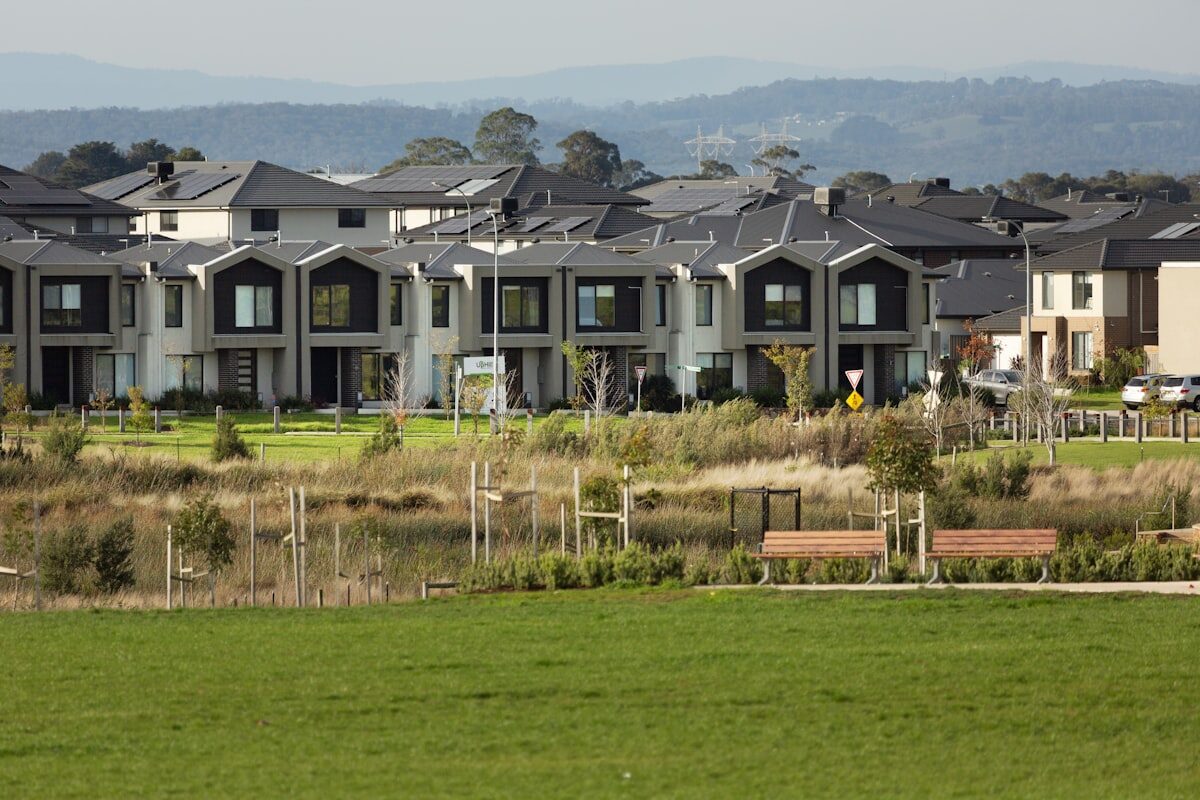
The loan you choose determines how much of the property's income you actually keep
What Are the 3 Steps to Finding the Best Apartment Loan?
1. Define Your Investment Geography and Strategy
Where do you plan to invest, and what is your strategy? Government-backed loans generally require you to invest within specific geographic areas and may require owner-occupancy. Bank loans offer more geographic flexibility but still have location restrictions. DSCR and stated income programs are typically available in 44 U.S. states.
Research the rental market in your target locations. Understand vacancy rates, market rents, tenant demand trends, and the competitive market. The stronger the rental market fundamentals, the more favorable your loan terms will be regardless of which lender you choose.
2. Match Lenders to Your Borrower Profile
Once you know where and what you want to buy, narrow your lender search based on your actual borrower profile. Are you self-employed? Do you prefer not to share tax returns? Have you had past credit events? Do you already carry multiple mortgages?
How many mortgages can a rental property investor have? Traditional lenders typically cap at 4-10 financed properties. If you already have a substantial portfolio, DSCR lenders and blanket loan providers place no cap on the number of mortgages you carry.
Every lender has different requirements. Some request full financial documentation packages. Others can work with just a credit report and a property appraisal. Understanding what each lender needs before you apply saves time and avoids unnecessary hard credit inquiries.
3. Compare Total Loan Cost, Not Just Interest Rate
Interest rate is important, but it is only one component of your total financing cost. When comparing apartment loan offers, evaluate:
- APR -- Includes origination fees and other costs rolled into the effective rate
- Loan term and amortization -- A 30-year amortization with a 5-year balloon is very different from a 30-year fully amortizing loan
- Prepayment penalties -- Can you refinance or sell without paying a penalty?
- Closing costs -- Appraisal fees, legal fees, title insurance, and lender origination fees
- Speed to close -- In competitive markets, the ability to close in 2-4 weeks versus 2-4 months can determine whether you win the deal
- Recourse structure -- Understand whether the loan is full recourse (borrower personally guarantees) and whether entity-based lending is available
Calculate the total cost of each loan option over your expected hold period. A slightly higher rate with no prepayment penalty and faster closing may be more valuable than a marginally lower rate with restrictive terms.
Find the Right Apartment Loan for Your Portfolio
Our lending specialists help you compare options and choose the program that maximizes your returns. No-ratio DSCR loans, blanket mortgages, and stated income programs available.
How Do You Make Your Final Apartment Loan Decision?
After gathering offers from multiple lenders, rank them by your top criteria -- speed, lowest rate, flexibility, or no documentation requirements. Stated income programs can close in approximately 3 weeks vs. 45-60 days for conventional apartment loans, which can make or break a competitive acquisition.
- Rank lenders by what matters most to you -- Is speed the priority? Lowest rate? Most flexible terms? No documentation requirements? Determine your top criterion and rank accordingly.
- Apply strategically -- Submit applications to your top two or three lenders. Compare the actual offers you receive, not just the advertised terms. Actual terms are always borrower-specific.
- Ask the right questions -- Clarify prepayment penalties, rate lock policies, required reserves, and any property-specific conditions before committing. A good lender will answer every question directly.
Why Does the Right Lending Relationship Matter Long-Term?
The best apartment loan is not just about one transaction. Working with the right lender creates a relationship that supports your entire portfolio growth strategy. Conventional lenders cap at 10 financed properties under Fannie Mae guidelines, but DSCR lenders place no limit -- making the right lending partner essential for investors building portfolios beyond that threshold.
At Rental Home Financing, we specialize in apartment investment loans for investors who are serious about building lasting rental income. Our programs include purchase financing, rate-and-term refinancing, and cash-out refinancing on multifamily properties in 44 U.S. states.
Apply online or call (888) 375-7977 to discuss which apartment loan is right for your next investment.