
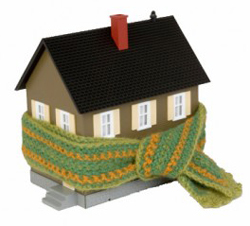
A burst pipe in a vacant rental can cause tens of thousands of dollars in damage overnight. A failed furnace can drive tenants out and trigger costly emergency repairs. Winterizing your rental properties is not optional -- it is a core part of protecting the assets you have worked hard to finance and build. The good news? Most winterization tasks are straightforward, inexpensive, and can be completed in a single afternoon per property.
Prevent Pipe Damage
Insulating pipes, disconnecting hoses, and maintaining heat in vacant units prevents the most common and costly winter claim.
Protect Heating Systems
Pre-season furnace service prevents mid-winter failures that can drive tenants out and trigger expensive emergency repairs.
Reduce Insurance Claims
Proactive winterization reduces the likelihood of freeze-related claims that can raise your premiums or trigger policy reviews.
Preserve Property Value
Winter damage from neglected maintenance can reduce property values and impair your ability to refinance or sell.
Winter Preparation Checklist
- Disconnect hoses, shut off outdoor faucets, and insulate exposed pipes
- Service the furnace and replace filters before cold weather arrives
- Set vacant property thermostats to at least 50 degrees Fahrenheit
- Test smoke detectors, carbon monoxide alarms, and fire extinguishers
Why Does Winterizing Matter for Your Bottom Line?
Winterization costs $200-$500 per property but prevents $10,000+ in freeze damage. The national vacancy rate averages around 6.6% (Census Bureau), and an unplanned winter vacancy from burst pipes or heating failure can push that number far higher for your individual property. Prevention is the highest-return maintenance investment a landlord can make.
Rental property investing is about protecting and growing assets over time. You have done the work to find the right properties, secure financing, and place tenants. A single winter event -- a frozen pipe, a heating system failure, or ice dam damage -- can erase months of rental income and stick you with repair bills that blow up your cash flow projections.
The properties most vulnerable to winter damage are vacant units. Without tenants monitoring conditions and reporting problems, a small issue can escalate into a major one before anyone notices. But even occupied properties need attention. Proactive landlords handle winter prep before temperatures drop, not after the first freeze exposes a problem.
Turn Off Outdoor Faucets and Disconnect Hoses
Frozen pipes are the single most common and expensive winter damage risk for rental properties. Start by disconnecting all garden hoses and draining any residual water from outdoor faucets. If the property has older plumbing without frost-proof hose bibs, shut off the interior valve that supplies the outdoor faucets and open the faucet to let remaining water drain.
Cover outdoor faucets with insulated covers -- they cost a few dollars each and prevent freeze damage that could run into thousands. For exposed pipes in crawl spaces, basements, or unheated garages, pipe insulation sleeves or heat tape are inexpensive insurance against burst lines.
How much can a burst pipe actually cost? Insurance industry data consistently shows that frozen pipe claims average between $5,000 and $15,000 in damage. For a property generating $1,500 per month in rent, that is several months of income wiped out by something a $10 faucet cover could have prevented.
Winterizing your rental properties prevents costly damage and preserves the income stream that supports your portfolio.
Remove or Cover Air Conditioning Units
Window-mounted AC units create gaps where heat escapes and cold air infiltrates. Remove them before winter and seal the window. If removing the unit is impractical, close all vents on the unit and cover it with an insulated cover on both the interior and exterior sides.
Outdoor AC condensers should be covered with waterproof covers to prevent ice, debris, and moisture from damaging the coils and mechanical components. A protected unit will perform better and last longer when summer returns.
Service the Furnace Before Cold Weather Hits
Do not wait until tenants complain about a cold unit to find out the furnace needs work. Schedule a professional tune-up in early fall. A clean, properly adjusted furnace runs more efficiently, produces better heat, and is far less likely to fail on the coldest night of the season -- which is always when failures happen.
Replace filters, check the ignition system, inspect the heat exchanger, and confirm the thermostat is calibrated correctly. For properties with older heating systems, a pre-season inspection can catch problems that would otherwise result in emergency service calls at premium rates.
What happens if a furnace fails in an occupied unit? Beyond the repair cost, you may have legal obligations to provide temporary heating or relocate the tenant. In many jurisdictions, habitable heating is a landlord requirement, not a courtesy. The cost of prevention is a fraction of the cost of emergency response.
Protect the Properties That Protect Your Portfolio
Whether you own two rental homes or twenty, maintaining your properties preserves the value and income stream that supports your financing. If you are looking to expand your portfolio with a new acquisition or refinance an existing property, Rental Home Financing has the loan programs investors need.
Check Fire Safety Equipment
Cold weather drives increased use of space heaters, electric blankets, and other electrical appliances -- all of which raise fire risk. Before winter, verify that every smoke detector and carbon monoxide alarm in each unit is functioning properly. Replace batteries, test alarms, and confirm that fire extinguishers are charged and accessible.
This is not just a safety best practice. In most states, landlords are legally required to provide working smoke detectors. Failing to maintain them exposes you to liability if an incident occurs. A 15-minute walkthrough of each unit can confirm everything is operational.
Set Vacant Property Thermostats to 50 Degrees
If a rental property sits vacant during winter, set the thermostat to at least 50 degrees Fahrenheit. This keeps interior temperatures above the freezing point for pipes, even during extended cold snaps. Yes, you will pay a modest heating bill on a vacant unit -- but that cost is trivial compared to the cost of burst pipes and water damage remediation.
Open cabinet doors under kitchen and bathroom sinks to allow warmer air to circulate around the plumbing. In properties with crawl spaces, ensure crawl space vents are closed or covered to reduce cold air penetration under the building.
Additional Winter Prep Tasks
Clean gutters and downspouts. Clogged gutters cause ice dams that can damage roofing, fascia, and siding. Clear them before the first freeze.
Inspect the roof. Missing or damaged shingles that seem harmless in mild weather become leak points when ice and snow accumulate. Address them proactively.
Seal gaps around windows and doors. Weatherstripping and caulk are cheap. Heat loss is not. Sealing air leaks reduces energy costs and keeps tenants comfortable, which reduces complaints and turnover.
Test sump pumps. If the property has a sump pump, test it before winter. Basement flooding from snowmelt or frozen discharge lines can cause significant damage.
Prevent Pipe Damage
Insulate exposed pipes, disconnect hoses, and maintain heat in vacant units to avoid the most common and costly winter claim.
Maintain Heating Systems
Pre-season furnace service prevents mid-winter failures, keeps tenants comfortable, and reduces emergency repair costs.
Ensure Safety Compliance
Test smoke detectors, CO alarms, and extinguishers to meet legal requirements and protect tenants during high-risk season.
A Small Investment in Prevention Pays for Itself
Winterizing your rental properties is one of the highest-return maintenance investments you can make. The tasks are simple, the costs are minimal, and the potential losses you prevent are enormous. A few hundred dollars in preparation can save you five figures in repair costs, insurance claims, and lost rental income.
Build winterization into your annual property management calendar. Treat it as a non-negotiable part of protecting the financed assets that make up your portfolio. Your properties are your income engines -- keep them running through every season.
Ready to Add Another Property to Your Portfolio?
Whether you are acquiring your next rental property or refinancing an existing one, Rental Home Financing offers 30-year DSCR loans, blanket mortgages, and more -- all designed for investors who take property maintenance and portfolio growth seriously.