
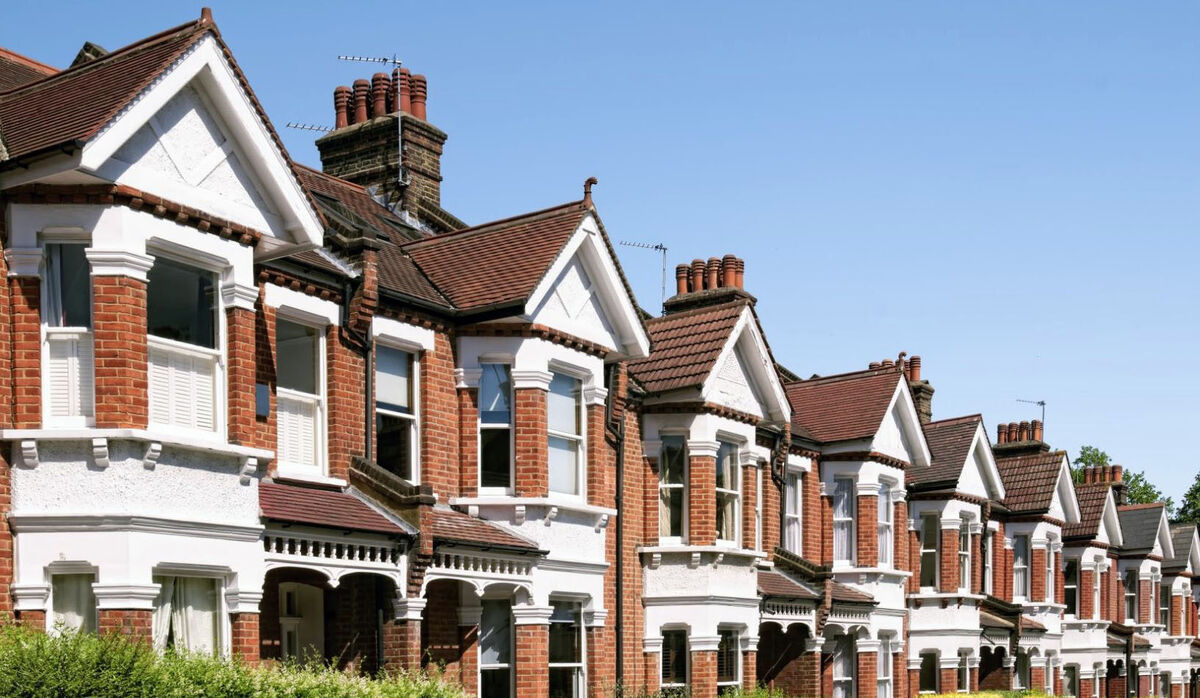
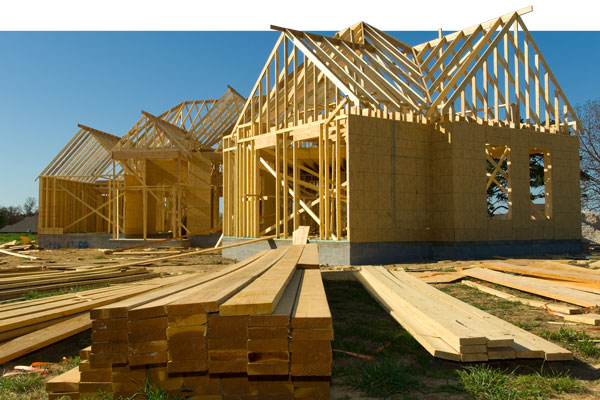
Build-to-rent (BTR) is one of the fastest-growing segments in real estate investment. Instead of purchasing existing homes and converting them to rentals, BTR investors construct properties purpose-built for the rental market -- brand-new homes with modern layouts, durable finishes, and tenant-friendly amenities that command premium rents and attract long-term tenants. The economics are compelling, and the market share of BTR construction continues to climb.
Surging Tenant Demand
Single-family rental demand continues to outpace supply as more households choose renting over homeownership for flexibility and affordability.
Premium Rent Potential
New-construction SFR properties command top-of-market rents with lower maintenance costs and higher tenant satisfaction.
Institutional Market Growth
The SFR built-to-rent sector attracts institutional capital, validating the asset class and supporting long-term value appreciation.
Purpose-Built Advantages
Properties designed from the ground up for rental use feature durable finishes, efficient layouts, and lower operating costs.
Key Takeaways on the BTR Market
- Market Share Growing -- BTR construction has increased its share of single-family home starts significantly, climbing well above the historical average of under 3% to over 6%.
- Affordability Drives Demand -- As homeownership costs climb, more families seek single-family rental homes that offer the space and lifestyle of ownership without the financial barrier.
- Construction-to-Perm Financing -- Specialized build-to-rent construction loans fund the build phase, then convert to long-term rental financing upon completion.
- Lower Maintenance Costs -- Brand-new construction means years of reduced maintenance expense compared to aging rental housing stock.
What Is Build-to-Rent and How Do BTR, BFR, and B2R Differ?
The terminology can be confusing. Build-to-rent (BTR), build-for-rent (BFR), and B2R all refer to the same concept: residential properties -- typically detached single-family homes, townhouses, or small multifamily buildings -- constructed specifically to be leased rather than sold. Some investors also use BTR to mean "buy-to-rent," so context matters when reading industry research.
SFRBTR (Single-Family-Rental Build-to-Rent) specifically refers to detached homes within this category. These properties look and feel like traditional suburban homes, but they are designed from the ground up with rental-grade materials, efficient layouts, and community amenities that attract and retain tenants.
BTR communities are typically owned by a single entity -- whether an institutional investor or an individual building a portfolio of purpose-built rentals. The single-ownership model allows for consistent property management, uniform quality standards, and economies of scale that scattered-site portfolios cannot easily replicate.
Why Does the BTR Market Keep Growing?
The surge in build-to-rent construction is not a speculative bubble -- it is a response to fundamental market forces. What is driving so many starts in this segment?
Homeownership affordability. As mortgage rates and home prices rise, fewer families can afford to buy. But those families still want the single-family lifestyle -- a yard, a garage, privacy, good school districts. BTR communities provide exactly that without requiring a down payment or qualifying for a traditional mortgage.
Lifestyle flexibility. Many renters, particularly younger professionals and mobile workers, prefer the flexibility of renting even when they could afford to buy. A BTR home offers the lifestyle benefits of homeownership with the mobility benefits of renting.
Investor demand for new assets. Existing single-family rental inventory comes with deferred maintenance, aging systems, and renovation costs. Purpose-built rental homes eliminate these issues, providing investors with lower operating costs and higher tenant satisfaction from day one.
BTR Construction Financing Available
From construction loans to long-term refinancing on completed BTR properties, Rental Home Financing provides the capital to build and hold purpose-built rental homes. Qualify on projected rental income, not personal tax returns.
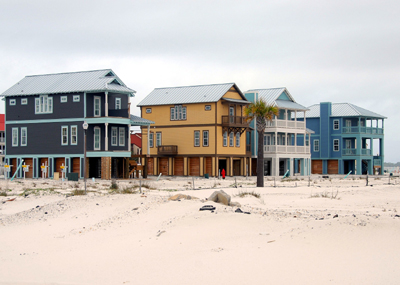
The single-family built-to-rent market offers investors premium rents, low maintenance, and surging tenant demand.
How Does the Construction-to-Permanent Financing Path Work?
How does financing actually work for a build-to-rent project? The process typically involves two phases.
Phase one: Construction financing. A construction loan funds the building phase, disbursing capital in draws as the project hits milestones (foundation, framing, mechanical, finish). These loans are typically shorter-term with interest-only payments during the construction period.
Phase two: Permanent refinance. Once construction is complete and the property is tenant-ready, you refinance into a long-term loan based on the property's appraised value and projected rental income. This is where the real magic happens -- you lock in a 30-year fixed rate on a brand-new asset with maximum useful life ahead of it.
The refinance step is critical because it often allows you to recover a significant portion of your construction capital, which you can then redeploy into your next BTR project. This cycle -- build, lease, refinance, repeat -- mirrors the BRRRR strategy but with new construction instead of the bridge and fix-and-flip loan approach used for renovation projects.
Should You Build a House to Rent Out?
The case for building rather than buying rental properties comes down to three advantages:
Lower Maintenance Costs
New construction means new systems, new appliances, and warranty coverage. Maintenance expenses are minimal for the first several years.
Premium Rents
New construction commands higher rents than comparable older properties. Modern finishes and energy efficiency attract quality tenants.
Design for Tenants
Purpose-built layouts with rental-grade materials, pet-friendly features, and smart home technology optimize tenant satisfaction.
The tradeoff is time and complexity. Building takes longer than buying, requires managing a construction process, and involves higher upfront risk. But for investors with the capital and patience, the end result is a premium asset with a decades-long income runway and minimal deferred maintenance.
What Is the Future of Build-to-Rent?
NAHB data shows BTR construction starts have grown dramatically, with the four-quarter moving average of market share reaching roughly 6% of single-family starts -- more than double the historical norm. This growth trajectory is supported by structural demand factors that are not going away: homeownership affordability barriers, population growth in suburban markets, and increasing preference for single-family rental living.
As mortgage rates remain elevated relative to historical norms, more potential homebuyers will remain in the rental market. Many of those families specifically want single-family homes -- not apartments -- creating sustained demand for exactly the type of product BTR communities deliver.
For investors, the implication is clear: BTR is not a trend that will reverse. It is a structural shift in how single-family housing is developed and owned. Getting into this market early means building a portfolio of premium rental assets with long useful lives and strong demand fundamentals.
Refinance Your Completed BTR Properties
Already have completed construction projects that need permanent financing? Once your BTR property is built to move-in standards, you can refinance based on the property's income potential through our DSCR loan programs. This is particularly valuable for unlocking construction capital to fund your next project.
Our residential rental property loans and blanket mortgage programs can accommodate everything from a single BTR home to a multi-property community. Qualify on rental income, not personal tax returns, with competitive fixed rates and 30-year amortization.
Build It. Rent It. Finance It.
From construction loans to permanent refinancing, Rental Home Financing supports the full BTR investment cycle. Talk to our team about structuring the right financing for your build-to-rent project.