


If you have unrealized capital gains sitting in stocks, mutual funds, or other investments, Opportunity Zones may represent one of the most powerful tax-advantaged strategies available for expanding your rental property portfolio. Created by the Tax Cuts and Jobs Act, this legislation allows investors to defer and potentially reduce capital gains taxes by reinvesting those gains into designated low-income communities -- and rental properties are among the most popular qualifying investments.
Significant Tax Deferral
Investing capital gains into Opportunity Zone properties defers taxes on the original gain, freeing up more capital for investment.
Tax-Free Appreciation
Properties held in Opportunity Zones for 10+ years can generate tax-free appreciation on the new investment.
Emerging Market Upside
Opportunity Zones target areas with growth potential, offering investors the chance to enter markets before values fully mature.
Portfolio Diversification
Adding Opportunity Zone properties to your portfolio introduces geographic and economic diversification with built-in tax advantages.
Opportunity Zone Benefits at a Glance
- Defer capital gains taxes by reinvesting proceeds into a Qualified Opportunity Fund
- Hold for 10+ years and potentially eliminate taxes on Opportunity Zone investment gains
- No cap on how much capital can be invested -- unlike most other tax-advantaged programs
- Rental properties in Opportunity Zones are among the most popular qualifying investments
What Are Opportunity Zones?
Across the country, thousands of communities face persistent economic challenges -- high unemployment, declining populations, and limited access to private investment. Opportunity Zones were created to channel private capital into these areas by offering investors significant tax incentives for doing so.
The mechanism is straightforward. When you sell an appreciating asset (stocks, mutual funds, real estate, a business), you typically owe capital gains tax on the profit. Under the Opportunity Zone program, you can defer that tax liability by reinvesting those gains into a Qualified Opportunity Fund (QOF). That fund then deploys the capital into real estate or businesses located within designated Opportunity Zones.
What makes this program particularly attractive compared to other tax incentives is the absence of an authorized cap on total investment. An estimated $2.2 trillion or more in unrealized capital gains from stocks and mutual funds alone could theoretically flow into these zones. That kind of capital availability creates real opportunities for investors who understand how to use the program.
How Do the Opportunity Zone Tax Benefits Work?
Three tiers of benefits increase with your hold period: capital gains deferral when you invest (pay later, not now), a step-up in basis after qualifying hold periods that reduces the deferred tax, and -- most powerfully -- zero capital gains tax on any appreciation of the OZ investment if held 10+ years. Combined with IRS 27.5-year depreciation on rental property and DSCR loan interest deductions, the effective tax rate on OZ rental investments can approach zero.
The Opportunity Zone program offers three distinct tiers of tax benefits, each increasing with the length of your investment hold period.
Capital gains deferral. When you reinvest capital gains into a QOF, you defer the tax on those original gains. This means the money that would have gone to taxes is instead working for you inside the fund, generating returns.
Basis step-up. If you hold your Opportunity Zone investment for at least five years, you receive a 10% step-up in basis on the original deferred gain. Hold for seven years, and the step-up increases to 15%. This directly reduces the amount of deferred gain you will eventually owe tax on.
Permanent exclusion on new gains. This is the most powerful benefit. If you hold your Opportunity Zone investment for a minimum of ten years, any appreciation in the value of your QOF investment is permanently excluded from capital gains tax. For a rental property that appreciates significantly over a decade, this benefit alone can be worth hundreds of thousands of dollars.
Immediate Deferral
Defer capital gains taxes by reinvesting sale proceeds into a Qualified Opportunity Fund within 180 days.
Basis Step-Up
Reduce your deferred gain by 10% after 5 years and 15% after 7 years through automatic basis adjustments.
Tax-Free Growth
Hold for 10+ years and pay zero capital gains tax on any appreciation of your Opportunity Zone investment.
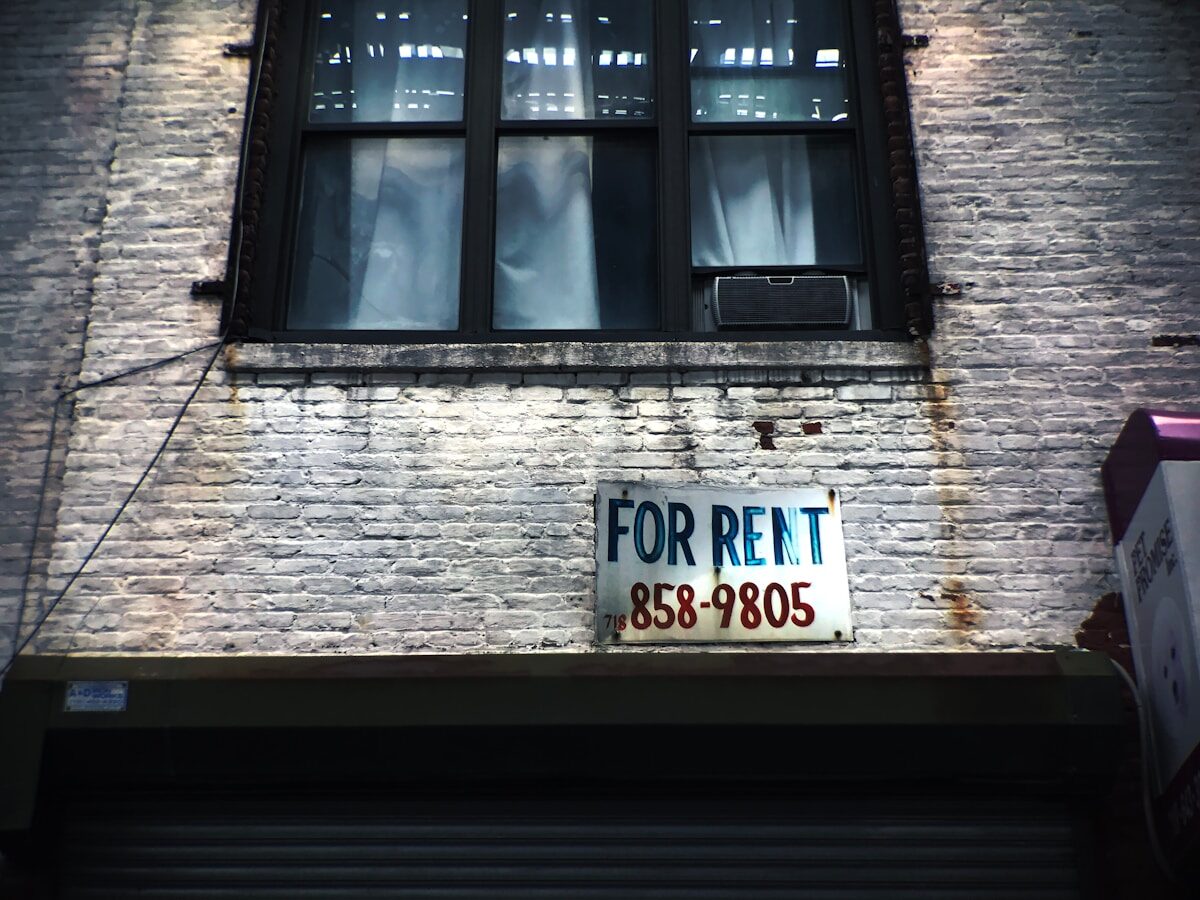
Opportunity Zones offer investors tax-advantaged entry into emerging markets with significant upside potential.
Where Are Opportunity Zones Located?
Opportunity Zones have been designated in all 50 states, the District of Columbia, and several U.S. territories. Each state's governor nominated specific census tracts for designation, and the designations remain in place for their full statutory period.
Some of the states and territories with designated Opportunity Zones include Arizona, California, Colorado, Georgia, Idaho, Kentucky, Michigan, Mississippi, Nebraska, New Jersey, Oklahoma, South Carolina, South Dakota, Vermont, Wisconsin, Puerto Rico, the U.S. Virgin Islands, and American Samoa -- among many others.
The specific locations within each state vary widely, from urban neighborhoods in major cities to smaller rural communities. The CDFI Fund maintains an interactive mapping tool that allows you to search for designated zones by address or census tract. Before making any investment, you should verify that the specific property you are considering falls within a certified Opportunity Zone.
Why Rental Properties Are the Ideal Opportunity Zone Investment
The Opportunity Zone legislation does not place any limitations on using capital gains to fund investments in affordable rental housing. As long as the residential real estate is located within a designated zone, it qualifies. The property must meet a few basic requirements: it needs to be newly constructed or acquired after the program's effective date, substantially improved, and actively used -- all conditions that any well-managed rental property would naturally satisfy.
Think about what this means in practical terms. You sell appreciated stock, reinvest the gains into a rental property in an Opportunity Zone, and that property generates monthly cash flow from day one while also appreciating over time. After ten years, you can sell the property and owe zero capital gains on the appreciation. Meanwhile, you have been collecting rent the entire time.
Have you considered how this could accelerate your portfolio growth? The tax savings alone can fund your next acquisition. And because these zones are by definition underserved markets, the entry costs are often lower than in established rental markets, meaning your capital goes further.
Finance Your Opportunity Zone Investment
Rental Home Financing can help you acquire or refinance rental properties in Opportunity Zones using our DSCR loan programs. Qualify based on the property's rental income potential -- not your W-2. We are investment property refinance lenders ready to help you expand your portfolio.
Opportunity Zone Stipulations to Keep in Mind
While the tax benefits are compelling, the program does have specific requirements you need to understand before investing.
Reinvestment timeline. You have 180 days from the date you realize a capital gain to reinvest those proceeds into a Qualified Opportunity Fund. This deadline is firm, so plan accordingly.
Substantial improvement requirement. If you acquire an existing property in an Opportunity Zone (rather than building new), you must substantially improve it within 30 months. "Substantial improvement" generally means investing an amount equal to or greater than the property's adjusted basis in improvements. For a rental property, this could mean renovations, additions, or major system upgrades.
Active conduct standard. The property must be actively used in a trade or business. Rental properties meet this standard by definition, since leasing property to tenants constitutes active business use.
Holding period matters. The longer you hold, the better your tax benefits. Five years gets you a 10% basis step-up. Seven years gets you 15%. Ten years eliminates capital gains on appreciation entirely. Plan your investment horizon accordingly.
Seize the Opportunity While It Lasts
Opportunity Zones represent a unique convergence of tax policy and real estate investment that does not come along often. The last comparable program -- the New Markets Tax Credit -- was introduced over two decades ago and is limited by annual allocation caps. Opportunity Zones have no such limits, making them significantly more accessible to individual investors.
If you are sitting on appreciated assets and looking for a tax-efficient way to expand your rental property portfolio, this program deserves serious consideration. Our No-Ratio DSCR program can help you qualify for financing based on the property's rental income potential, and our residential rental property loans are available in 44 U.S. states -- including in designated Opportunity Zones.
Whether you are an experienced portfolio investor looking to optimize your tax strategy or a newer investor exploring ways to stretch your capital further, Opportunity Zones deserve a place in your investment planning. Contact our team to discuss how our blanket and multifamily loan programs can help you acquire properties in these designated zones.
Put Your Capital Gains to Work
Transfer your gains into income-producing rental properties with significant tax advantages. Rental Home Financing has the programs and expertise to help you navigate Opportunity Zone investing from acquisition through long-term hold.