

Every rental property empire started with a single purchase. Whether you are eyeing a single-family home down the street or a small multifamily building across town, the path from zero properties to a cash-flowing portfolio is more accessible than most people realize. The lending market has evolved dramatically, and new investors can now qualify for financing based on the property's income potential rather than their personal tax returns.
What You Need to Know Before Your First Purchase
- A rental portfolio is a collection of income-producing properties that generate passive cash flow through tenant rent payments
- New investors can start with a single-family home and scale up to multifamily or short-term rental properties
- DSCR loans allow qualification based on rental income, not personal W-2s or tax returns
- The right lending partner grows with you -- from your first property to your hundredth
What Is a Rental Investment Portfolio?
A rental investment portfolio is simply a collection of properties you own and rent out to generate income. The rent payments from your tenants cover your mortgage, taxes, insurance, and maintenance costs -- and ideally leave money in your pocket each month. Over time, you build equity through principal paydown and appreciation, creating wealth on two fronts simultaneously.
The beauty of rental property investing is its tangibility. Unlike stocks or bonds, you can see your investment, touch it, improve it, and directly influence its returns. And unlike most other asset classes, real estate allows you to use significant leverage -- borrowing most of the purchase price while capturing 100% of the appreciation and cash flow.
But is rental investing right for everyone? Not necessarily. You need capital for down payments, the patience to manage properties (or the wisdom to hire a property manager), and the financial discipline to maintain reserves for unexpected expenses. If those pieces are in place, rental property offers one of the most reliable paths to long-term wealth available to everyday investors.
Why Is a Rental Portfolio One of the Best Ways to Build Wealth?
Rental property combines four wealth-building mechanisms simultaneously: monthly cash flow from tenants, mortgage paydown (the tenant effectively buys the property for you), appreciation (FHFA reports 4-5% annual growth in many metros), and tax advantages through IRS 27.5-year depreciation. No other asset class delivers all four at once, and real estate lets you use 75-80% leverage to amplify returns.
Land is a finite resource. Nobody is manufacturing more of it, yet population continues to grow. That fundamental supply-demand imbalance is what makes real estate such a compelling long-term investment. But beyond the macro economics, rental property offers specific advantages that other investments simply cannot match.
Monthly cash flow is the most obvious benefit. Each property generates recurring income that, when managed properly, exceeds your expenses. This creates genuine passive income that grows as you add properties and as rents increase over time. Compound that across five, ten, or twenty properties, and you have built a serious income stream.
Then there are the tax advantages. Depreciation allows you to shelter rental income from taxation. Mortgage interest, property taxes, insurance, repairs, and management fees are all deductible. Many rental property investors pay significantly less in taxes than their income would suggest, thanks to these write-offs.
Finally, diversification. A portfolio of rental properties across different neighborhoods, cities, or property types spreads risk in ways that a stock portfolio cannot. If one property sits vacant for a month, the others keep producing income. If one market softens, your properties in stronger markets pick up the slack.
Types of Rental Investments
Single-Family Homes
The most popular entry point. Lower maintenance, easier financing, strong tenant demand, and flexible exit strategies across most markets.
Multifamily Properties
Duplexes to apartment buildings. Higher income per property, lower vacancy risk, and economies of scale on management and maintenance.
Short-Term Rentals
Vacation and Airbnb-style properties. Higher per-night income potential with more active management requirements in tourism markets.
Mixed Portfolio
Blend property types across markets for maximum diversification. Different asset classes smooth out cash flow and reduce overall risk.
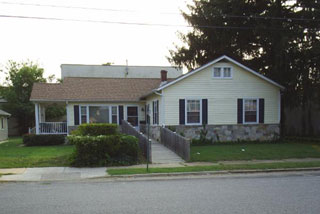
Single-family rentals remain the most popular starting point for new portfolio investors.
Single-Family Homes
Single-family rentals are where most investors begin, and for good reason. They are the easiest property type to understand, finance, and manage. Tenants in single-family homes tend to stay longer, take better care of the property, and require less hands-on management than apartment tenants. The entry cost is typically lower, and exit strategies are flexible -- you can sell to another investor or to a homeowner.
Multifamily Properties
Multifamily properties -- duplexes, triplexes, quadplexes, and larger apartment buildings -- offer more income per property and better economies of scale. When one unit is vacant, the others continue producing income, which makes your overall cash flow more stable. The trade-off is higher acquisition costs and more complex management. For investors ready to move beyond single-family homes, multifamily is the natural next step.
Short-Term Rentals
Short-term rental properties -- think vacation homes and Airbnb listings -- can generate significantly higher income per night than traditional long-term rentals. The catch is that they require more active management, more frequent turnover, and careful attention to local regulations. If you are in a market with strong tourism demand and willing to put in the work (or hire a specialized manager), short-term rentals can be extremely profitable.
Your First Property Is Easier Than You Think
Our Single Property Loan program is designed specifically for investors building their portfolios one property at a time. No personal income documentation, no bank hassles, and closing in as little as two weeks.
How to Get Started: A Practical Roadmap
Building a rental portfolio does not require years of experience or a perfect credit score. It does require a clear plan, realistic expectations, and the right financing partner. Here is how to approach your first acquisition.
Define your investment criteria. Before you look at a single listing, decide what you are looking for. What property type interests you? What markets are you targeting? What is your minimum acceptable cash-on-cash return? Having clear criteria prevents you from chasing deals that do not fit your strategy.
Get your financing lined up first. Nothing kills a deal faster than scrambling for financing after you find a property. Talk to a lender before you start shopping. Understand what you qualify for, what your down payment requirements are, and how quickly you can close. With a DSCR loan program, the qualification process is often faster and simpler than conventional lending because there is no income verification involved.
Analyze deals conservatively. Run the numbers on every property before making an offer. Account for vacancy, maintenance, property management fees, insurance, and taxes -- not just the mortgage payment. A property that cash-flows at 5% occupancy is far more attractive than one that only works at 100% occupancy.
Start with one property, then repeat. Your first purchase will teach you more than any book or seminar. Get that initial property stabilized, learn from the experience, and then apply those lessons to your second acquisition. The investors who build the largest portfolios are not the ones who buy ten properties at once -- they are the ones who master the process and repeat it consistently over time.
Financing Your Growing Portfolio
As your portfolio expands, your financing needs evolve. The loan that worked for your first property may not be the best fit for your fifth or tenth. Here is how to think about financing at different stages of growth.
For your first few properties, single property loans are the most straightforward option. Each property gets its own mortgage with its own terms. This keeps things simple and gives you maximum flexibility to sell or refinance individual properties as your strategy evolves.
As you accumulate properties, managing multiple individual mortgages becomes cumbersome. That is when blanket loans start making sense. A blanket mortgage covers multiple properties under a single loan with one monthly payment. It simplifies your bookkeeping, can improve your overall terms, and makes it easier to scale quickly.
At Rental Home Financing, we are built to grow with you. Our programs accommodate first-time investors with a single property and experienced landlords managing dozens. No personal income DTI calculations, no tax forms, no W-2s -- just common-sense underwriting that focuses on the property's ability to generate income.
Why Investors Choose Rental Home Financing
- Competitive rates without the bank hassles
- No personal income DTI calculations, tax forms, or W-2s required
- Close into your LLC with common-sense underwriting
- Two-to-four week closings from application to funded
From Your First Property to Your Hundredth
We are your lending partners at every stage of portfolio growth. Call us for a free phone consultation or apply online to start the process.