
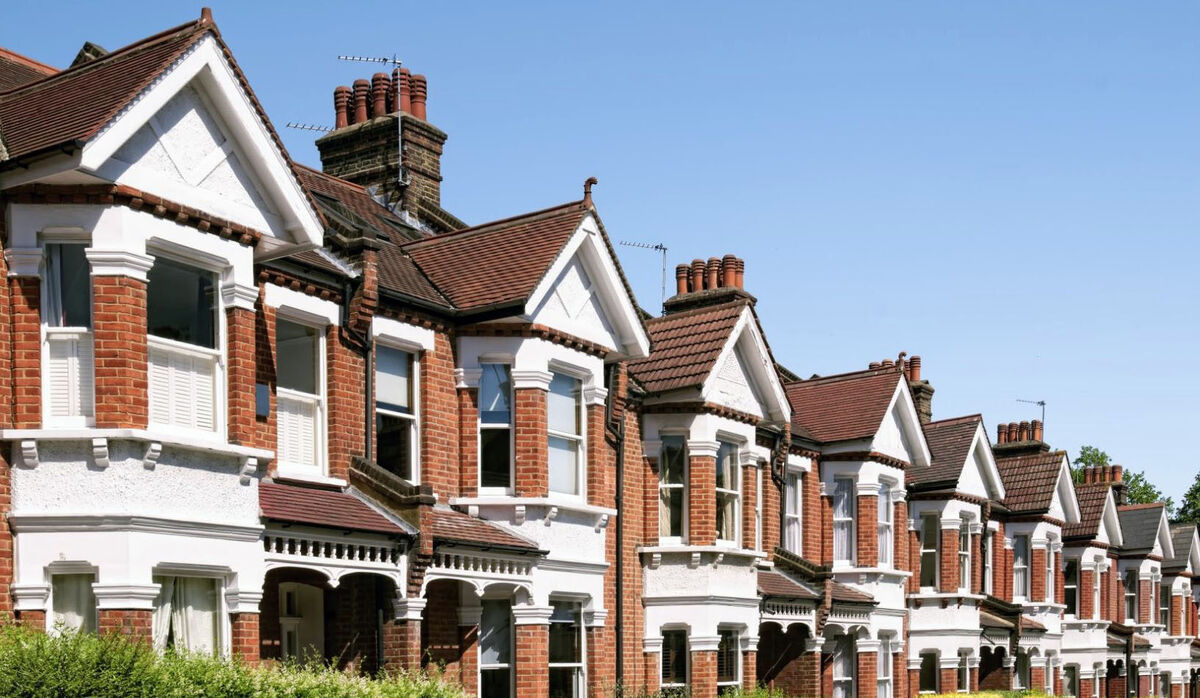

A skilled rental property investor knows the difference between a flip and a long-term hold on first inspection. Buy-and-hold properties need to do more than generate income today -- they need to maintain their value, minimize maintenance costs, and ideally offer expansion potential over a decade or more of ownership. Here is how to evaluate properties with a long-term investment perspective.
Target Strong Rental Markets
Look for areas with job growth, population gains, and favorable rent-to-price ratios that support positive cash flow from day one.
Evaluate Property Condition
Buy-and-hold properties should have sound structural and mechanical systems to minimize capital expenditures during the hold period.
Analyze Tenant Demand
Properties near employers, schools, and amenities attract stable tenants who stay longer and pay rent consistently.
Match Financing to Strategy
Long-term buy-and-hold investors benefit from fixed-rate DSCR loans that lock in predictable debt service for the full hold period.
What to Look for in a Long-Term Hold Property
- Expandable plumbing and electrical systems that allow for future improvements
- Adequate parking that meets current and future tenant needs
- Sufficient land for potential expansion within zoning requirements
- A level lot and accessible crawlspace or basement indicating solid construction
What Makes Buy-and-Hold Investing Different from Flipping?
Time horizon changes everything. You are projecting 10-20 years of maintenance costs, tenant appeal, and appreciation -- not a 3-6 month renovation cycle. FHFA data shows home prices appreciating 4-5% annually in many metros, which compounds dramatically over a long hold. A $200,000 property appreciating at 4% annually is worth $440,000 after 20 years, plus decades of rental income and mortgage paydown by tenants.
Buy-and-hold investing is fundamentally different from flipping. When you are planning to own a property for ten, fifteen, or twenty years, you are not just evaluating today's rental income -- you are projecting future maintenance costs, expansion potential, and long-term tenant appeal. A property that looks great for a quick flip might be a terrible long-term hold if it has structural issues that will compound over time.
The ideal buy-and-hold property combines three things: steady rental income that covers your financing costs with room to spare, a physical structure that will age gracefully with minimal intervention, and the potential for value appreciation through market growth or property improvements. Finding all three in one deal takes patience and a trained eye, but the payoff over a decade of ownership is substantial.
Five Physical Qualities That Signal a Strong Long-Term Hold
1. Expandable Plumbing and Electrical Systems
When you inspect a property, look beyond what is currently finished. Check the attic for unused electrical conduit or plumbing rough-ins. Examine unfinished basements for signs of expandable infrastructure. These are signals that the original builder anticipated future expansion -- and that means the property has untapped potential.
An attic with existing plumbing and electrical rough-ins can be converted into additional living space. An unfinished basement can become a rentable unit (where zoning allows). These expansion opportunities increase the property's income potential over time and boost its long-term value. When you are taking out long-term financing, you want a property that can grow with your investment strategy.
2. Adequate and Expandable Parking
Parking may seem like a minor detail, but for tenants it is often a dealbreaker. In suburban areas, tenants expect dedicated parking, and properties with limited or inconvenient parking are harder to lease. More importantly for long-term investors, look for properties where parking can be expanded if needed.
A property with room to add a driveway extension or additional spaces has a built-in improvement that costs relatively little but meaningfully increases tenant appeal. If you are holding the property for a decade or more, these incremental improvements compound into significant value gains.
3. Ample Vacant Land Within Zoning Requirements
Vacant land attached to a property represents option value. Even if you do not plan to expand immediately, having the land available means you can add square footage, build an accessory dwelling unit, or create outdoor amenities that attract higher-paying tenants. Large families in particular are drawn to properties with yard space, and that demand translates to higher rents and lower vacancy.
Before counting on expansion potential, verify the zoning requirements with your local municipality. Urban properties in particular may face strict setback requirements, density limits, or permitting challenges that restrict what you can build. In suburban and rural markets, the rules tend to be more accommodating -- but always confirm before you factor expansion into your investment thesis.
4. A Level Lot with Proper Drainage
This is one of the most overlooked factors in long-term property evaluation. An uneven lot is not just an aesthetic issue -- it creates water management problems that worsen over time. Water that flows toward the foundation rather than away from it leads to basement flooding, foundation cracks, and mold. These are expensive, recurring problems that eat into your returns year after year.
During your inspection, pay close attention to the grade of the lot. Look for signs of water intrusion in the basement or crawlspace. Check for standing water after rain. A properly leveled lot with good drainage is a property that will cost you far less in maintenance over a multi-decade hold than one with chronic water issues.
5. An Accessible Crawlspace or Basement
If you are going to own a property for decades, you will need to access its foundation, plumbing, and electrical systems for maintenance and repairs. A crawlspace that requires contorting through a 16-inch opening is not just inconvenient -- it discourages regular inspection, which means problems go undetected until they become expensive emergencies.
Easy access to the crawlspace and basement signals a well-thought-out construction approach. It also reflects transparency -- builders who make inspection easy tend to have nothing to hide. For long-term investors, accessible infrastructure means lower maintenance costs and fewer surprises.
Finance Your Buy-and-Hold Strategy
Long-term rental investments deserve long-term financing. Our 30-year fixed-rate DSCR loans and blanket mortgage programs are built for investors who plan to hold properties for years, not months.

Identifying the right properties for buy-and-hold investing starts with market fundamentals and cash flow analysis.
Beyond the Physical: Market Factors for Long-Term Holds
The physical property is only part of the equation. The market surrounding it determines whether your long-term hold appreciates or stagnates. What makes a market attractive for buy-and-hold investing?
Population growth. Markets with growing populations have growing rental demand. Look for areas attracting employers, building infrastructure, and expanding housing supply.
Employment diversity. A local economy dependent on a single employer or industry is a risk. Markets with diverse employment bases weather economic cycles better and provide more stable rental demand.
Landlord-friendly regulations. Some jurisdictions make it extremely difficult to manage rental properties through rent control, onerous eviction processes, and excessive regulatory requirements. Research the local regulatory environment before investing, especially if you plan to hold for many years.
Rental rate growth trends. Steady, moderate rent increases over time are the hallmark of a healthy rental market. Look for markets where rents have grown consistently rather than spiked dramatically, which could indicate a bubble.
Financing the Long-Term Hold
When you plan to own a property for a decade or more, your financing structure matters enormously. Short-term loans with balloon payments create refinancing risk at the worst possible times. Adjustable-rate loans expose you to interest rate fluctuations that can erode your cash flow.
For buy-and-hold investors, 30-year fixed-rate DSCR loans are often the ideal choice. They lock in your debt service costs for the entire hold period, eliminating interest rate risk and making cash flow projections reliable. No balloon payments, no surprises -- just predictable monthly obligations that get easier to carry as rents increase over time.
Investors building a portfolio of long-term holds should also consider blanket mortgages, which consolidate multiple properties under a single loan. This reduces total financing costs and simplifies portfolio management -- both of which contribute to better long-term returns.
Physical Evaluation
Inspect infrastructure, lot grade, parking, expansion potential, and crawlspace access before buying.
Market Analysis
Target markets with population growth, employment diversity, and steady rent increases.
Long-Term Financing
Use 30-year fixed-rate loans to lock in costs and eliminate refinancing risk over your hold period.
The Long View Pays Off
Buy-and-hold investing is not glamorous. It does not produce overnight windfalls or dramatic returns in the first year. What it does produce is compounding wealth over time -- equity building through mortgage paydown, rent increases that outpace inflation, and property appreciation that turns a modest initial investment into significant long-term wealth.
The key is choosing the right properties from the start. A property that requires minimal maintenance, attracts quality tenants, and offers room for improvement is a property that will reward patient ownership. Pair that property with the right long-term financing, and you have the foundation of a rental portfolio that generates income and builds wealth for years to come.
Build Long-Term Wealth with the Right Financing
Rental Home Financing offers 30-year fixed-rate DSCR loans, blanket mortgages, and other products designed for investors who think in decades, not quarters. Let us help you finance your buy-and-hold strategy.