
Construction costs are one of the most overlooked variables in rental property investing. Lumber, concrete, labor, and material prices swing constantly, and those swings directly affect whether building new or buying existing makes more financial sense for your portfolio. Smart investors track construction cost cycles the same way they track interest rates -- and time their moves accordingly.
Lower Cost Basis
Building or renovating when material prices dip means a lower all-in cost, stronger DSCR ratios, and more built-in equity from day one.
Modern Tenant Appeal
New construction lets you design specifically for rental demand -- open floor plans, durable finishes, and energy-efficient systems that command premium rents.
Forced Appreciation
Renovating during low-cost periods lets you increase property values and rents simultaneously -- multiplying your return on every dollar spent.
Buy Now, Refi Later
Lock in favorable construction costs today, then refinance into better loan terms once the property is stabilized and generating income.
Why Should Rental Investors Track Construction Material Costs?
Your cost basis determines everything downstream -- DSCR ratios, cash flow from day one, and built-in equity. Lumber alone can account for roughly a third of framing costs for a new single-family home. A kitchen remodel costing $15,000 when materials are low might run $22,000 at peak pricing -- that $7,000 difference comes straight off your return. Batching renovations across a portfolio during favorable cost windows compounds savings across every unit.
Most rental property investors focus on purchase price, interest rates, and rental income projections. Those are the obvious levers. But construction costs -- what it actually takes to build, renovate, or remodel a property -- deserve equal attention.
Here's the reality: lumber alone can account for roughly a third of the cost of framing a new single-family home. When lumber prices are elevated, that framing cost balloons, and your all-in construction budget follows. The same applies to concrete, roofing materials, electrical components, and plumbing fixtures. Each of these materials moves through its own supply-and-demand cycle.
Why does this matter for investors specifically? Because your cost basis determines everything downstream. A lower construction cost means a better debt-to-income ratio on your 30-year DSCR loan, healthier cash flow from day one, and more equity baked into the property before you collect a single rent check.
Build New vs. Buy Existing: How Do You Decide?
This is one of the most common questions we hear from investors scaling their portfolios. The answer depends almost entirely on market timing and local conditions.
Building new makes sense when: construction material costs are below their historical averages, labor is available in your target market, and you can secure build-to-rent financing at terms that keep your carrying costs manageable during the construction phase. New construction gives you modern layouts that tenants pay premiums for, energy-efficient systems that reduce operating costs, and minimal deferred maintenance for the first several years.
Buying existing makes sense when: construction costs are elevated, the existing housing inventory offers properties below replacement cost, and you can find deals where light renovations dramatically increase rental income. In many markets, you can pick up a property for 60-70 cents on the dollar compared to what it'd cost to build from scratch.
The best investors don't commit to one approach forever. They shift between building and buying based on where the cycle sits.
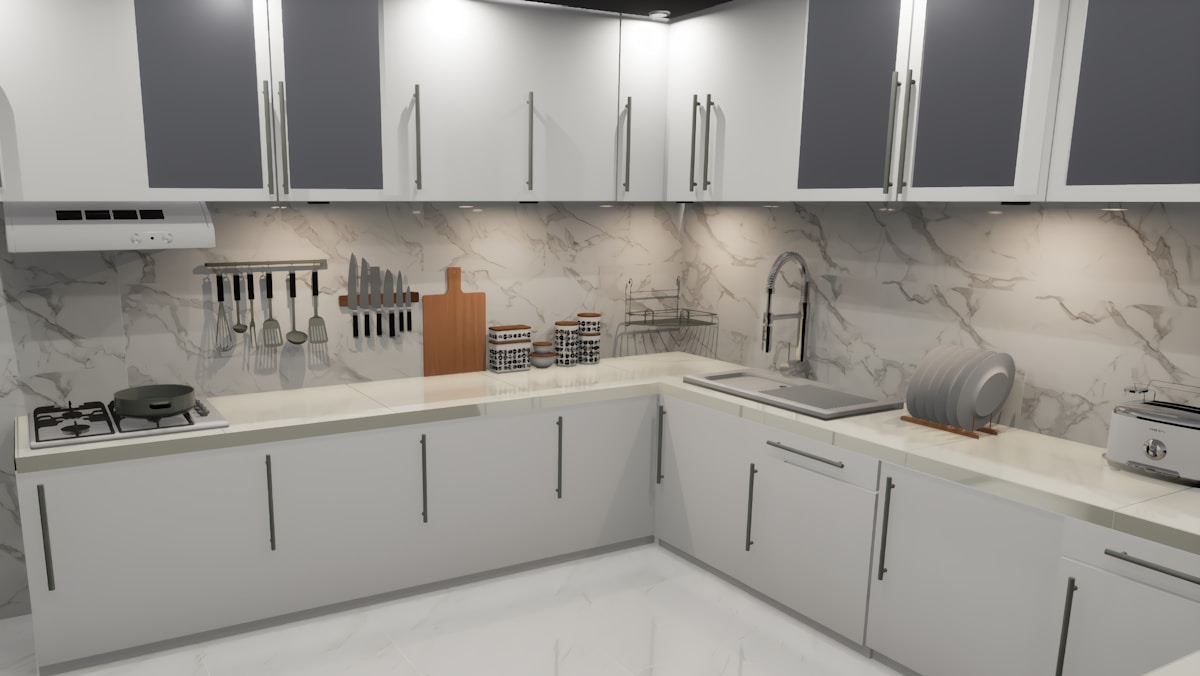
Kitchen renovations during favorable material cost windows can save $5,000-$7,000 per unit
Renovation Timing: How Material Costs Multiply Your Returns
Renovation is where construction costs have the most direct impact on rental investors. A kitchen remodel that costs $15,000 when lumber and cabinetry prices are low might run $22,000 when those same materials are at peak pricing. That $7,000 difference comes straight off your return.
Experienced investors stockpile renovation projects and execute them when material costs drop. If you own multiple rental properties -- financed through a blanket multifamily loan -- you can batch renovations across your portfolio during favorable cost windows. The savings compound across every unit.
What kind of renovations move the needle most on rental income? Updated kitchens, modern bathrooms, new flooring, and improved curb appeal consistently deliver the highest rent increases relative to cost. These are material-heavy projects, which is exactly why timing your renovation spend around construction cost cycles matters.
Ready to Build or Renovate Your Rental Portfolio?
Whether you're planning new construction or renovating existing properties, Rental Home Financing offers build-to-rent loans and investment property financing designed for investors who think strategically about costs.
How to Track Construction Costs Like a Pro
You don't need a degree in economics to stay on top of construction cost trends. A few reliable habits go a long way.
Watch lumber futures. Lumber is traded as a commodity, and futures prices are publicly available. When futures drop significantly below their rolling average, that's your signal to start planning construction or renovation projects.
Build relationships with local contractors. General contractors see pricing trends on the ground before they show up in national data. A contractor who gives you a heads-up that drywall prices just dropped 15% is worth their weight in gold.
Track housing starts data. When housing starts decline, builders pull back on material orders and prices soften. When starts ramp up, demand for materials increases and so do prices. The U.S. Census Bureau publishes housing starts data monthly.
Factor in labor costs too. Materials are only part of the equation. In markets with tight labor pools, contractor bids can inflate even when material prices are low. The ideal window for construction or renovation is when both material and labor costs are reasonable.
Construction Costs Are an Investment Variable -- Treat Them That Way
Treating construction costs as a fixed number is a mistake. They're a variable -- one that moves meaningfully and predictably enough to build strategy around. Investors who pay attention to material cost cycles, time their construction and renovation projects accordingly, and use the right financing tools consistently outperform those who don't.
The "buy low, sell high" principle applies to more than just property prices. It applies to everything that goes into creating and maintaining rental properties. Build when building is cheap. Renovate when materials are affordable. And use the right residential rental property loan to make it all pencil out.
Construction Cost Strategy Checklist
- Monitor lumber futures and material price indexes before planning any construction or renovation
- Compare build-new vs. buy-existing based on current replacement cost ratios
- Batch renovations across your portfolio during favorable material cost windows
- Build contractor relationships for early pricing intelligence on material trends
- Factor both material and labor costs before greenlighting any project
Lock In Current Costs, Refinance Tomorrow
A proven strategy: take advantage of favorable construction pricing now, build or renovate your rental properties, and refinance into better terms once the property is generating income. We help investors execute this playbook every day.