


Managing separate mortgages for every rental property in your portfolio is like running a business with ten different bank accounts, ten different accountants, and ten different sets of rules. It works when you own two properties, but it becomes a logistical burden as you scale. A blanket mortgage solves this by covering all of your investment rental properties under one loan, with one payment, and one set of terms. For serious investors, it's the financing tool that makes portfolio growth practical rather than painful.
Portfolio Purchase
Acquire a package of rental properties in a single transaction -- one application, one closing, one set of fees for the entire deal.
Portfolio Refinance
Consolidate multiple existing mortgages into one blanket loan with better terms, lower total costs, and simplified management.
Scalable Growth
No practical limit on the number of properties. Your financing structure grows with your portfolio instead of holding it back.
Income-Based Qualification
DSCR-based underwriting means your portfolio's rental income qualifies you, not your personal W-2s or tax returns.
What Is a Blanket Mortgage?
A blanket mortgage is a single loan covering three or more investment properties simultaneously, with one monthly payment and one set of terms. The lender holds a lien on all included properties, and DSCR-based underwriting qualifies you on rental income -- typically requiring a ratio of 1.0x-1.25x -- rather than personal tax returns or W-2s.
A blanket mortgage is a single loan that covers three or more investment properties simultaneously. Rather than maintaining individual mortgages for each rental in your portfolio, you consolidate everything under one financing arrangement. The lender holds a lien on all properties included in the loan, and you make one monthly payment that services the entire portfolio.
The most important distinction between blanket mortgages and traditional loans is how qualification works. At Rental Home Financing, blanket loans are underwritten based on the income the properties produce, not your personal income or tax returns. This is a DSCR-based approach, where the debt service coverage ratio of your rental portfolio determines your eligibility. If your properties generate enough rental income to cover the loan payments with adequate margin, you qualify.
How Do Blanket Mortgages Work in Practice?
You identify properties for inclusion, the lender evaluates combined rental income and property values, then determines the loan amount and terms. Once closed, all properties are cross-collateralized with one monthly payment. Most blanket mortgages include a release clause allowing individual property sales without triggering a full payoff -- critical flexibility for active portfolio managers.
The mechanics are straightforward. You identify the properties you want included in the loan, whether those are existing rentals you're refinancing or new acquisitions you're purchasing as a package. The lender evaluates the combined rental income, property values, and overall portfolio health. Based on that analysis, they determine the loan amount, interest rate, and terms.
Once the loan closes, all included properties are cross-collateralized -- they all serve as security for the mortgage. You make one payment each month, and the lender services the loan internally. Most blanket mortgages include a release clause, which allows you to sell an individual property and have it removed from the loan without triggering a full payoff. This flexibility is critical for investors who regularly buy and sell within their portfolios.
How does this compare to managing separate mortgages? Consider an investor with eight rental properties, each financed individually. That's eight monthly payments to track, eight sets of loan documents, eight different rate structures, and eight separate closing cost events. A blanket mortgage reduces all of that to one.
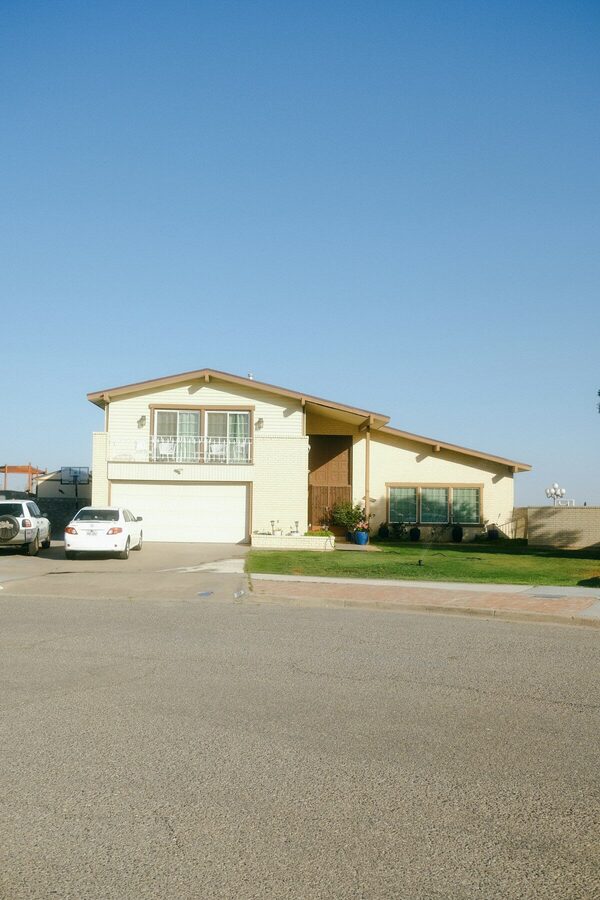
Whether you own five properties or fifty, a blanket mortgage simplifies everything into one loan.
Simplify Your Rental Portfolio Financing
Whether you own five properties or fifty, Rental Home Financing can consolidate your investment mortgages into a single blanket loan. One application, one closing, one payment.
Why Choose a Blanket Mortgage Over Individual Loans?
Scalability without complexity, cost efficiency from consolidated closing costs (saving 15-30% versus individual mortgages), simpler tax preparation with one amortization schedule, and stronger negotiating position from larger loan amounts. Every individual mortgage carries its own origination fees, appraisals, and title costs -- a blanket loan pays these once for the entire portfolio.
Scalability without complexity. As your portfolio grows from five properties to fifteen to thirty, a blanket mortgage grows with you. There's no practical limit on the number of properties you can include, which means your financing structure never becomes a bottleneck to expansion.
Cost efficiency. Every individual mortgage comes with its own origination fees, appraisal costs, title insurance, and closing costs. When you consolidate under a blanket loan, you pay these costs once for the entire portfolio. The savings scale directly with the number of properties involved.
Simpler tax preparation. One loan means one set of interest deductions, one amortization schedule, and one servicer to track. Your accountant will appreciate it, and you'll spend less time on administrative work and more time finding your next deal.
Stronger negotiating position. A larger loan amount often gives you access to better interest rates and more favorable terms than you could get on individual smaller loans. The lending relationship also deepens, which can benefit you when you're ready to refinance or expand.
What Should You Consider Before Choosing a Blanket Mortgage?
Three key factors: cross-collateralization risk (a default affects all properties), upfront property selection (you cannot add acquisitions after closing), and release clause terms (understand payoff requirements and fees for individual property sales). Maintain adequate cash reserves and keep vacancy rates below the national average of approximately 6.6% per the U.S. Census Bureau.
Blanket mortgages are powerful, but they're not the right fit for every situation. Here are the key factors to evaluate before you commit.
Cross-collateralization risk. Because all properties secure the loan, a default affects the entire portfolio, not just one property. You need to maintain adequate cash reserves and keep vacancy rates low across all properties. Investors who manage their portfolios actively and maintain strong occupancy rates find this risk manageable.
Property selection matters upfront. The properties included in the blanket loan are locked in at closing. You can't add new acquisitions to an existing blanket loan after the fact. Plan your portfolio composition carefully before applying, and work with your lender to ensure the included properties support the strongest possible loan terms.
Release clause terms. Not all release clauses are created equal. Understand exactly what happens when you sell a property from the portfolio. What portion of the sale proceeds must be applied to the loan balance? Are there fees associated with releasing a property? These details matter and should be clearly understood before closing.
Blanket Mortgage Application Checklist
- Identify all properties to include (current rentals, new acquisitions, or both)
- Gather rent rolls, lease terms, and occupancy data for each property
- Know your portfolio's combined net operating income and property values
- Review existing loan balances and payoff amounts for properties being refinanced
- Understand release clause terms before signing
Getting Started with a Blanket Mortgage
The process begins with identifying which properties you want to include and gathering basic information about each one: current lease terms, rental income, property values, and any existing loan balances. At Rental Home Financing, we review your portfolio's overall cash flow and property values to structure a loan that supports both your current needs and future growth plans.
Because our blanket mortgage programs are DSCR-based, you won't need to provide personal income tax returns. Your properties speak for themselves. We also offer 30-year fixed rate options for investors who want long-term payment stability, as well as No-Ratio DSCR programs for maximum qualification flexibility.
Whether you're purchasing a new package of rental properties, consolidating existing individual mortgages, or restructuring your portfolio financing for growth, a blanket mortgage is the tool that makes it possible. The question isn't whether you need one -- it's why you've been managing separate loans for this long.
Let Your Properties Do the Qualifying
Rental Home Financing underwrites blanket loans based on your portfolio's rental income, not your tax returns. Contact us to learn how your properties can qualify you for the financing you need.