


Getting the best rate on a rental home loan isn't a matter of luck. It's the result of preparation, positioning, and knowing which levers to pull before you ever submit an application. The difference between a good rate and a great one can save you tens of thousands over the life of your loan, and that money goes straight to your bottom line. Here are six strategies that consistently help rental property investors secure financing at the most competitive rates available.
Credit Score Impact
The difference between a 650 and 720 credit score can translate to a meaningful reduction in your interest rate on DSCR loans.
Cash Reserves Matter
Most lenders want at least six months of mortgage payments in reserve per property. Strong reserves signal stability and unlock better pricing.
Down Payment Leverage
Putting 25-30% down instead of the 20% minimum often unlocks significantly better rates and shows lenders you have skin in the game.
Investor-Focused Lenders
Portfolio lenders who specialize in rental properties price based on actual risk profiles -- not the generic models traditional banks use.
1. How Do Lending Limits Affect Your Rate Strategy?
Fannie Mae caps conventional investors at 10 financed properties. Planning your transition from conventional to portfolio or DSCR-based lending before you hit that ceiling lets you secure better rates across your entire portfolio rather than scrambling when you're declined.
Conventional lending through agencies like Fannie Mae caps the number of financed properties an individual investor can hold. That limit can be a hard ceiling if you're building a portfolio and relying solely on traditional financing. The smart move is to plan your loan strategy with both a short-term and long-term lens. Which properties will you finance conventionally? At what point do you transition to portfolio or DSCR-based lending that doesn't count against conventional limits?
Investors who think ahead about their financing trajectory end up with better rates across their entire portfolio because they're not scrambling when they hit a cap. A blanket mortgage can be especially useful here, allowing you to consolidate multiple properties under one loan without the per-property limitations of conventional lending.
2. Why Does Working with Investor-Friendly Lenders Matter?
Not all lenders understand rental property investing, and working with the wrong one can cost you both time and money. Traditional residential mortgage brokers often lack experience structuring loans for investment portfolios. They may not understand DSCR underwriting, blanket loan structures, or the nuances of financing multiple properties simultaneously.
Lenders who specialize in investment property financing price their products based on the actual risk profile of rental properties. They understand that a well-performing rental with strong cash flow is a solid credit risk, and they price accordingly. Working directly with a portfolio lender also eliminates the middleman markup and reduces the risk of last-minute term changes during underwriting.
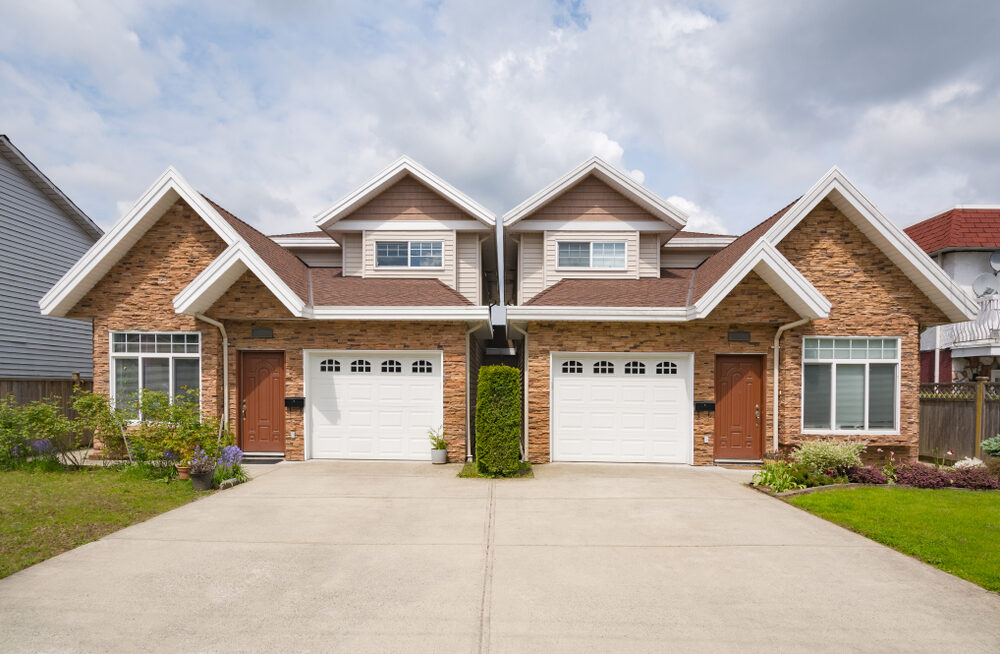
Portfolio-scale investors consistently secure better rates by working with specialized lenders.
3. Optimize Your Credit Profile
Credit score still matters, even with DSCR loans. Higher scores generally unlock lower rates, and the impact isn't trivial. If you're planning to purchase or refinance within the next few months, take proactive steps to improve your score: pay down revolving balances, dispute any inaccuracies on your report, and avoid opening new credit lines right before applying.
Even so, investors with credit scores in the mid-600s aren't locked out of competitive financing. DSCR-based programs place greater emphasis on the property's cash flow than the borrower's personal credit, which opens doors that conventional lending keeps shut.
4. Maintain Strong Cash Reserves
Lenders view cash reserves as a sign of financial stability and lower risk -- and lower risk means better pricing for you. Most investment property lenders want to see at least six months of mortgage payments held in reserve, and some require that per property in your portfolio.
Building adequate reserves before you apply is one of the simplest ways to qualify for better terms. It demonstrates to the lender that you can absorb unexpected costs, whether from a vacancy, a major repair, or a market shift, without defaulting on your loan. Think of reserves not as money sitting idle, but as a rate negotiation tool.
Get a Rate Quote Tailored to Your Portfolio
Rental Home Financing offers DSCR-based rental home loans with competitive rates for single properties and blanket mortgages for portfolio investors. No tax returns required. Find out what rate your properties qualify for.
5. Bring a Strong Down Payment
Down payment requirements for rental home loans are higher than for owner-occupied properties, and the amount you put down directly affects your rate. Here's a general framework most lenders follow:
- Single-family rentals (first few properties): 20-25% down
- Single-family rentals (larger portfolios): 25% down
- Multifamily properties (2-4 units): 25% down
- Commercial multifamily (5+ units): 25-30% down
Putting down more than the minimum signals to the lender that you have skin in the game and reduces their exposure. Many lenders offer meaningfully better rates at 25% or 30% LTV versus 20%, so running the numbers on a slightly larger down payment can be worth the analysis. Try our free investment property mortgage calculator to compare monthly payments at different down payment levels.
6. Can You Qualify Without Tax Returns?
Yes -- DSCR-based programs evaluate whether the property's rental income covers the mortgage payment, typically requiring a ratio of 1.0x to 1.25x. No W-2s, no Schedule E, no personal income documentation. According to MBA data, non-QM lending including DSCR products has grown steadily as more investors seek alternatives to conventional income-verification requirements.
Traditional lenders require two years of W-2 income or tax returns, which can be a barrier for self-employed investors, business owners, or anyone whose tax returns understate their actual earnings. This is where stated income loan programs and no-ratio DSCR loans become powerful tools.
With DSCR-based financing, the lender focuses on whether the property's rental income covers the debt service, not on your personal income documentation. This streamlines the qualification process and opens the door to investors who might not qualify through conventional channels. For investors with strong-performing properties, this approach can deliver both faster closings and competitive rates.
Rate Optimization Checklist
- Plan your financing trajectory before hitting conventional caps
- Work with lenders who specialize in investment property portfolios
- Optimize your credit score and maintain 6+ months of reserves per property
- Consider 25-30% down payment for the best rate tiers
- Use DSCR or stated income programs if tax returns don't reflect your true income
Great Rates Come from Preparation
The investors who consistently get the best rental home loan rates aren't lucky -- they're prepared. They plan their financing strategy, maintain strong credit and reserves, bring adequate down payments, work with the right lenders, and use programs designed for investors rather than homeowners.
At Rental Home Financing, securing competitive rates for rental property investors is what we do. Whether you're financing a single property or building a portfolio with a blanket mortgage, call 888-375-7977 to discuss your options with a lending specialist who understands your goals.
Lock In Competitive Rates on Your Next Rental Loan
DSCR-based programs, blanket mortgages, and stated income loans -- all designed for rental property investors. No W-2s required. LTVs up to 80%.