

Turning a property into a cash-flowing rental starts with the right financing. The loan structure you choose determines your monthly obligation, your cash-on-cash return, and ultimately whether the deal works or falls apart. Whether you're buying your first investment property or adding to a growing portfolio, understanding your financing options gives you a real edge over investors who just take whatever their bank offers.
DSCR Qualification
Qualify based on the property's rental income, not your personal W-2 or tax returns. A .75 DSCR or higher gets you approved.
Fixed-Rate Stability
Lock in predictable payments for the life of the loan. Rents rise while your payment stays flat -- cash flow improves every year.
Portfolio Blanket Loans
Consolidate multiple rental properties under one mortgage with a single monthly payment and lower per-property costs.
No-Ratio Options
No DSCR calculation, no DTI analysis. Qualify on asset value and down payment alone for the fastest path to closing.
The Real Difference Between a Home Loan and an Investment Loan
When you finance a primary residence, lenders focus on your personal income, employment stability, and debt-to-income ratio. Investment property loans work differently. The property itself carries most of the weight -- its value, its rental income potential, and its location determine what you qualify for and at what rate.
That distinction matters because it opens doors that traditional underwriting keeps shut. Self-employed? No steady W-2 income? Complex tax returns that make your adjusted gross income look deceptively low? None of that disqualifies you when the lender is underwriting the asset rather than the borrower's pay stubs.
How Does DSCR Lending Actually Work?
The Debt Service Coverage Ratio measures whether a property's rental income covers the mortgage payment. If a rental brings in $2,000 per month and the mortgage payment is $1,600, your DSCR is 1.25 -- meaning the property generates 25% more income than it costs to carry. Most lenders want to see a DSCR of .75 or higher, though programs vary.
The No-Ratio DSCR program at Rental Home Financing removes even that threshold. It qualifies borrowers based on the property's potential rental income without requiring a specific coverage ratio. For investors acquiring vacant properties or transitioning units between tenants, this flexibility matters. You don't need to wait for a signed lease to close on financing.
Because DSCR loans don't require W-2 income documentation, they're built for full-time investors, self-employed borrowers, and anyone whose tax returns don't reflect their true earning capacity.

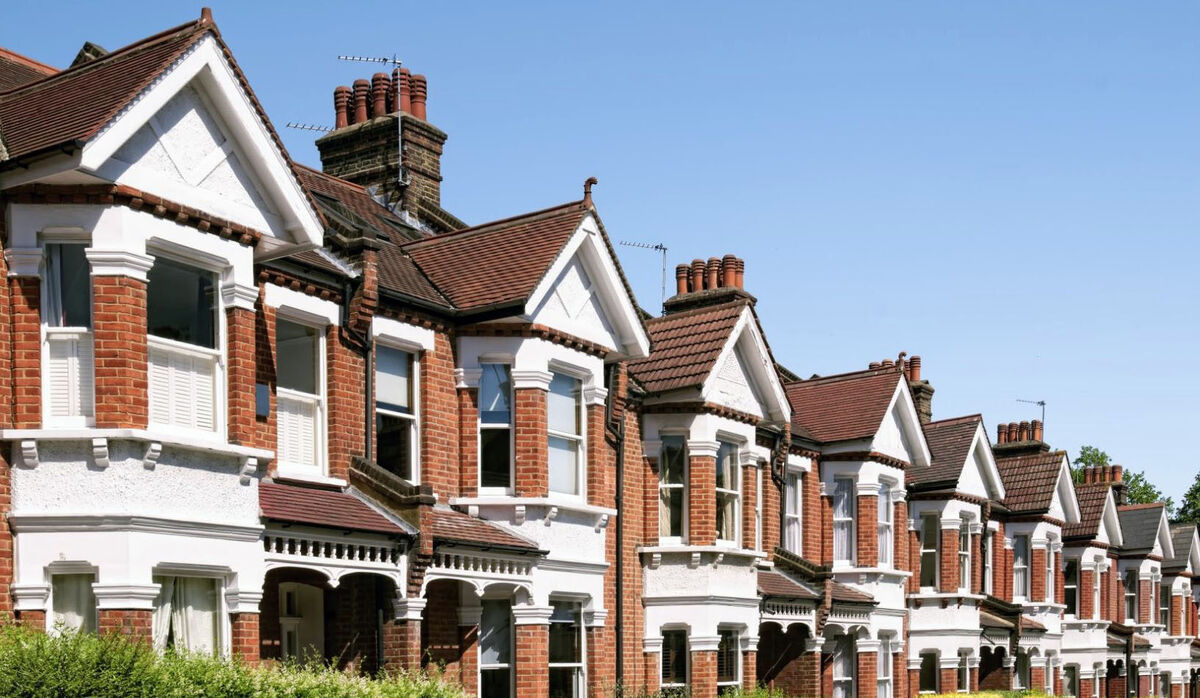
Single-family rentals remain the most popular entry point for income property investors
Down Payments: What to Expect
Investment property loans typically require more down payment than primary residence mortgages. Expect to put down 20-25% on most investor loan programs. That higher equity position protects the lender and gets you a better rate.
Is a larger down payment always better? From a rate perspective, yes -- lower loan-to-value means lower risk, which translates to more favorable terms. But from a return-on-investment perspective, minimizing your cash outlay maximizes your leverage. The sweet spot depends on your strategy: aggressive growth favors lower down payments and more leverage, while conservative cash-flow plays benefit from higher equity and lower monthly obligations.
Fixed-Rate vs. Adjustable-Rate: Which Makes Sense for Rentals?
For most buy-and-hold rental investors, a fixed-rate mortgage is the foundation of a sound strategy. Your payment stays constant while rents typically increase over time, which means your cash flow improves every year without any effort. A 30-year fixed-rate DSCR loan gives you the longest runway and the lowest monthly payment, maximizing your day-one cash flow.
Adjustable-rate products can make sense for shorter hold periods or when you plan to refinance within a few years. They typically offer lower initial rates, which means better margins in the early years. The trade-off is uncertainty -- when rates adjust upward, your cash flow takes a hit. For long-term wealth building through rental properties, fixed-rate financing eliminates that variable entirely.
Turn Your Next Property into Income
Rental Home Financing specializes in investor loans that qualify based on the property, not your tax returns. Whether it's your first rental or your twentieth, our loan programs are built for investors who want to build wealth through real estate.
Credit Score Requirements for Investment Property
Most investment property loan programs require a minimum credit score of 650. Higher scores unlock better rates and more favorable terms, but you don't need perfect credit to get started. The key factor in investor lending is the property's performance, not a spotless credit history.
If your credit score is below the threshold, focus on paying down revolving debt and clearing any derogatory marks before applying. Even a 20-30 point improvement can meaningfully change the rate you're offered, which compounds into thousands of dollars saved over the life of the loan.
Can You Avoid PMI on an Investment Property?
On conventional primary-residence mortgages, putting down less than 20% triggers private mortgage insurance. Investment property loans handle this differently. Most investor loan programs require at least 20% down from the start, which means PMI is rarely a factor. The higher equity requirement actually works in your favor -- it lowers your payment, reduces your rate, and gives you a built-in equity cushion from day one.
The loan-to-value ratio (LTV) drives your terms. An 80% LTV gets standard pricing. Drop to 75% or 70% LTV, and you'll see noticeably better rates. For cash-out refinances, most investor programs cap LTV at 75%, giving you access to equity while maintaining a healthy cushion.
For investors looking to consolidate multiple properties, a blanket mortgage can bundle your holdings under one loan -- simplifying management and often improving terms compared to individual mortgages.
Why Financing an Income Property Is Worth It
Using leverage to acquire rental property is one of the most proven paths to building long-term wealth. You control an appreciating asset, your tenants pay down the mortgage, and the rental income covers your carrying costs -- often with cash left over each month. As the property appreciates and the loan balance decreases, your equity grows from both directions.
The math is straightforward. Put 20% down on a rental property, and you're controlling an asset worth five times your initial investment. If that property appreciates even modestly over the next decade while your tenant covers the mortgage payment, your return on invested capital can be extraordinary. That's the power of leveraged real estate -- and it all starts with the right financing.
Income Property Financing Checklist
- Credit score of 650 or above for most DSCR programs
- Down payment of 20-25% (lower LTV = better rate)
- Property must generate rental income covering the mortgage (DSCR 1.0+)
- No W-2s or tax returns required on DSCR and no-ratio programs
- Fixed-rate options available up to 30 years for maximum cash flow stability
Ready to Finance Your Income Property?
From single-family rentals to multi-unit portfolios, Rental Home Financing has the investor loan programs that get deals done. Apply online or call us to talk through your next acquisition.