
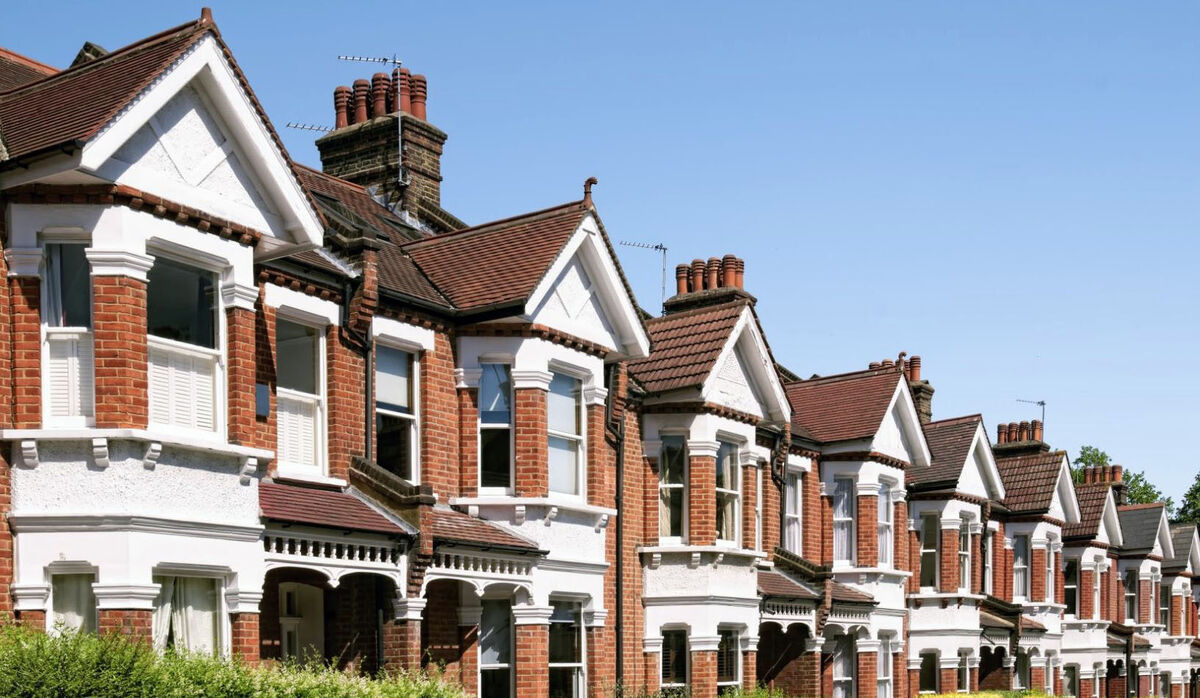

Single-family homes are the backbone of many rental property portfolios, and for good reason. They offer advantages that multifamily and commercial properties simply can't match — from lower tenant turnover and stronger appreciation to easier financing and reduced management overhead. Here are seven benefits that make single-family rentals one of the smartest entry points for building long-term wealth.
Steady Appreciation
Single-family homes appreciate consistently over time, building equity that compounds your wealth alongside monthly rental income.
Lower Turnover Rates
Single-family tenants tend to stay longer than apartment renters, reducing vacancy costs and turnover expenses.
Easier Financing
Lenders offer more favorable terms for single-family rentals, with lower down payments and better interest rates than multifamily.
Strong Resale Demand
Single-family homes have the largest buyer pool of any property type, giving you a clear exit strategy when the time comes.
What You'll Learn
- Why single-family tenants stay longer and how that protects your cash flow
- How SFR properties appreciate differently than apartments or condos
- The financing advantages SFR investors enjoy over multifamily buyers
- Why SFR is often the best starting point for building a portfolio
When people think about real estate investing, they often picture large apartment complexes or commercial buildings. But the largest segment of the rental housing market in the United States is actually single-family homes. Millions of investors — from individuals with one rental to institutions managing thousands — have figured out that single-family rentals (SFR) offer a combination of benefits that's hard to replicate with other property types.
Whether you're building your first portfolio or expanding an existing one, here are seven reasons to pay serious attention to single-family homes as investment vehicles.
Why Do Single-Family Tenants Stay Longer Than Apartment Renters?
Single-family tenants -- typically families with children in local schools -- stay significantly longer than apartment renters. Census Bureau data shows the national rental vacancy rate averages about 6.6%, but well-located single-family homes consistently beat that average. Each turnover costs $2,000-$5,000 in vacancy, cleaning, repairs, and marketing. Lower turnover translates directly into more stable cash flow and higher net returns over time.
Turnover is one of the most expensive things that can happen to a rental property. Every time a tenant leaves, you absorb vacancy costs, cleaning and repair expenses, marketing costs to find a new tenant, and the time and effort of screening applicants. It adds up fast.
Single-family home tenants tend to stay significantly longer than apartment renters. Why? Because SFR tenants are often families with children in local schools, professionals who want a yard and garage, or people who treat the home as if it were their own because it functionally is — they're not sharing walls with neighbors. The stability of their living situation translates into lease renewals and multi-year tenancies.
An apartment renter might move after a year because they found a slightly cheaper unit across town. A family renting a three-bedroom house in a good school district is far less likely to uproot their lives over a modest rent difference. That stability is worth real money to you as an investor.
2. Stronger Resale Value
When it comes time to exit an investment, single-family homes offer the broadest buyer pool of any residential property type. You can sell to another investor, to a first-time homebuyer, to a relocating family — the pool of potential buyers is massive. Apartments and multifamily properties, by contrast, are typically only attractive to other investors, which narrows your options.
A well-maintained single-family home in a decent neighborhood will always command interest. And because SFR valuations are driven by comparable sales (not just income capitalization like commercial properties), a rising residential market lifts your property value even if your rents haven't changed. That dual upside — appreciation plus cash flow — is a powerful combination.
Low Turnover
Families and long-term renters stay for years, reducing vacancy and turnover costs
Appreciation
SFR values track residential markets, not just income — dual upside potential
Easy Management
Single tenants, no common areas, and tenants who care for the property like their own

Single-family rentals offer stability, appreciation, and a deep tenant pool that multifamily properties often cannot match.
3. Lower Property Taxes
Single-family homes are typically assessed as residential property, which in most jurisdictions carries a lower tax rate than commercial or multifamily classifications. The property tax difference between a $200,000 single-family rental and a $200,000 four-unit apartment building can be surprisingly significant, depending on the municipality.
Lower property taxes mean more of your rental income stays in your pocket. It's one of those hidden advantages that doesn't show up in the initial purchase analysis but compounds over years of ownership. When you're comparing potential acquisitions, make sure you're factoring in the actual tax classification — not just the asking price and projected rents.
4. Lower Management Costs
Managing a single-family rental is simpler and cheaper than managing a multifamily property. There are no common areas to maintain, no shared systems (hallway lighting, common laundry, parking lot maintenance), and no neighbor disputes to mediate. You have one tenant (or one household) to deal with, one lease to manage, and one set of property-specific maintenance needs.
Many SFR tenants also take on a level of property care that apartment tenants don't. When someone rents a house with a yard, they typically maintain that yard. They might handle minor repairs themselves. They treat the property more like a home and less like a temporary housing unit. That translates directly into lower maintenance costs and fewer management headaches for you.
Finance Your Single-Family Rental Portfolio
Rental Home Financing offers single property investor loans and blanket mortgages designed for SFR portfolio builders. Qualify based on property income, not personal tax returns.
Do Single-Family Homes Appreciate Faster Than Apartments?
Generally yes. FHFA House Price Index data shows national home prices have averaged 4-5% annual appreciation over the long term. SFR values track the broader residential housing market -- driven by homebuyer demand, school quality, and neighborhood desirability -- not just investor capitalization rates. This means a rising residential market lifts SFR values even when rents are flat, creating genuine dual returns of cash flow plus appreciation.
Single-family homes generally appreciate at a higher rate than apartments or condos over the long term. Why? Because SFR values are driven by the broader residential housing market — supply and demand from homebuyers, not just investor capitalization rates. When housing demand in a neighborhood increases, every single-family home in that area benefits, regardless of whether it's owner-occupied or investor-owned.
Apartments and commercial properties, by contrast, are valued primarily on their income. If rents are flat, the property value stays flat — even in a booming residential market. Single-family homes break out of that constraint. Their values can appreciate based on neighborhood desirability, school quality, local development, and broad demographic trends that have nothing to do with the specific rental income the property generates.
For investors, this means SFR properties offer a genuine dual return: current cash flow from rents plus long-term appreciation that builds equity you can eventually harvest through a refinance or sale.
6. Steady Equity Growth
Every mortgage payment you make on a single-family rental includes a principal component that reduces your loan balance and builds your equity. With an amortizing loan, this equity growth is automatic — your tenant's rent is effectively making a contribution to your net worth each month.
Early in a loan, most of your payment goes toward interest. But as the years pass, the principal portion grows, and your equity accumulates at an accelerating rate. Combined with property appreciation, this creates a compounding wealth-building effect. After ten years of ownership, the combination of appreciation and principal paydown can result in substantial equity — equity you can access through a cash-out refinance to fund your next acquisition.
Think of each single-family rental as a forced savings account where someone else (your tenant) makes the deposits. Over time, these accounts grow into real capital that powers the next phase of your portfolio.
7. Favorable Financing Options
Single-family rental properties enjoy the broadest range of financing options of any investment property type. Lenders love them because they're easy to value (plenty of comparable sales), easy to sell if they need to foreclose (broad buyer pool), and well-understood from an underwriting perspective.
As an SFR investor, you can access conventional mortgages, DSCR loans that qualify on property income, stated income programs, and blanket loans that cover multiple SFR properties under a single note. Loan-to-value ratios tend to be more generous for single-family homes compared to commercial or multifamily properties, which means less cash out of pocket at closing.
The speed of financing is also typically faster for SFR acquisitions. Appraisals are simpler, comparable sales data is abundant, and the underwriting process is more standardized. For investors competing for deals in competitive markets, that speed can be the difference between winning and losing a property.
SFR vs. Multifamily: Investor Advantages
Building Your SFR Portfolio
Single-family rentals aren't the flashiest investment in real estate, and that's exactly what makes them effective. They're accessible, manageable, financeable, and they perform consistently across market cycles. For investors looking to build a foundation of dependable rental income with strong appreciation upside, SFR should be at or near the top of the list.
The path from one single-family rental to a portfolio of ten or twenty doesn't happen overnight, but each property builds on the one before it — generating cash flow, building equity, and positioning you for the next acquisition. The key is starting with properties that pencil out from day one and financing them with loan products designed for how investors actually operate.
Ready to Start or Expand Your SFR Portfolio?
Rental Home Financing offers residential rental property loans, DSCR programs, and blanket mortgages designed specifically for single-family rental investors. Let's talk about your next acquisition.